

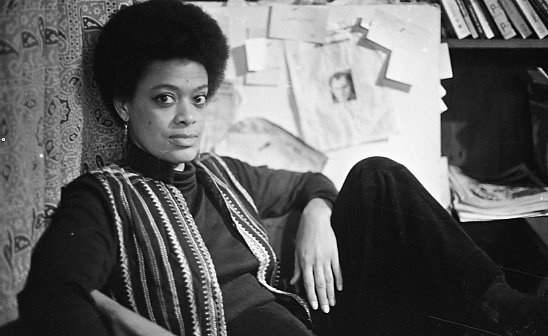
Toni Cade Bambara's legacy is celebrated in a documentary titled "Toni Cade Bambara Organizing School," created by those who knew her best. Directed by Monica Henriquez and Louis Massiah, the film traces activist Bambara's efforts to revitalize communities through education and art.
The Redaksiya reports that the film retraces Bambara's steps through numerous cities and women she impacted, through in-depth interviews, memoirs, and notes. It covers her journey from teaching at various universities to eventually holding classes in her own living room. This home-based approach began after she faced criticism for her "Black Women Writers" course offered at Atlanta College.
Her perspective was shaped by a lifelong commitment to public education that began in New York. In a speech included in the film, Bambara stated, "I went through the city system, but I was educated to be something I could never be – a white person."
The directors' decision to showcase Bambara's impact through the eyes of her students further emphasized her teaching style. She used an accessible teaching method to create impact by integrating her students into their communities.
However, her legacy extends beyond education. Bambara was a renowned artist who channeled her talent into inspiring those around her. Henriquez and Massiah highlighted this versatility by interviewing various colleagues.
The heartfelt testimonials from her diverse colleagues described her as a person, not just a teacher. This showed that she not only taught but also pursued creativity, which many found inspiring.
The film does an excellent job of conveying a meaningful and powerful mission that Bambara worked hard to promote: transforming and empowering underrepresented communities through the use of language, teaching them to respect themselves.
The understanding and challenging of Black oppression, along with contemporary issues like systemic racism, were brought to the forefront, placing them in a generational perspective. For those influenced by Bambara, her powerful voice continues to inspire creativity and art against a backdrop of negative clouds. It teaches them to write, create, speak, and be kind, just like her.
By tracing Bambara's legacy through the people who knew her best, her desire to educate and inform people, regardless of their profession, creates a sense of authenticity. In a way, her lessons extend to the viewers as well, leaving them feeling curious and mobilized to learn.