

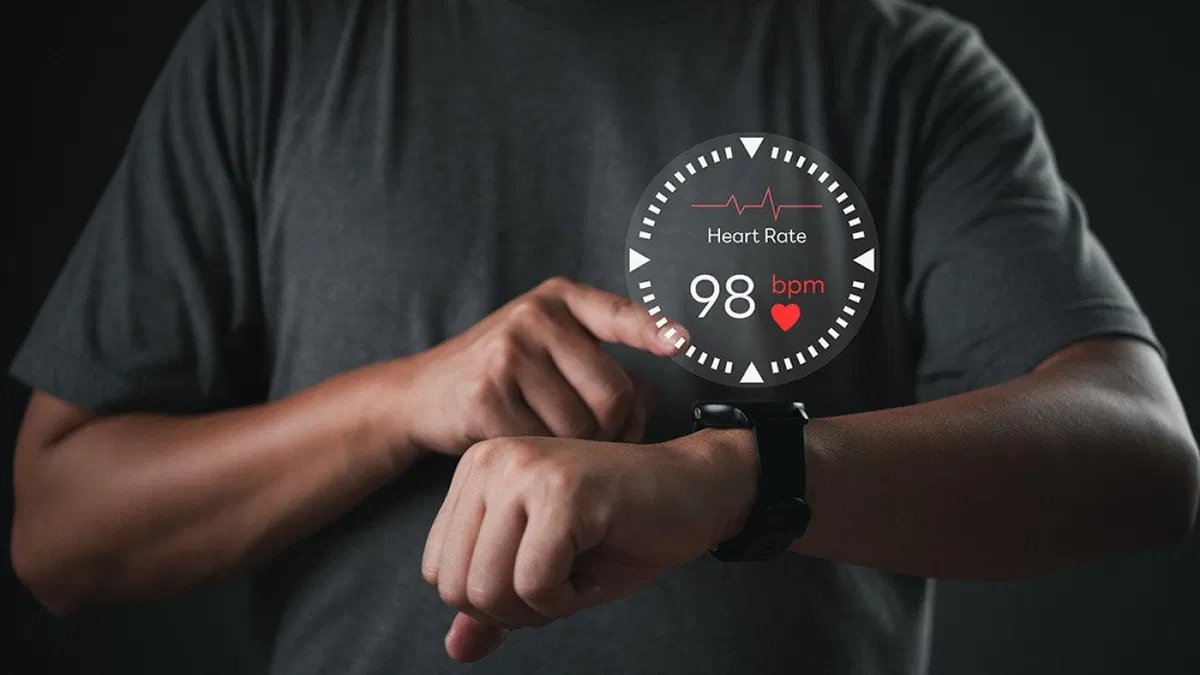
In today's fast-paced world, a brief annual 30-minute check-up with your primary doctor might seem insufficient for managing your overall health. However, technology is transforming these interactions, allowing patients to become more involved in their own well-being. Home monitoring devices, smartwatches, and wearable technology enable patients to bring their health data to appointments, providing valuable context and insights for physicians.
According to Dr. Daniel Sands, a primary care physician at Beth Israel Deaconess Medical Center, affiliated with Harvard, patients can now be "co-creators of their health and healthcare." By collecting information outside of office visits, patients can help their doctors provide better care. The most useful data comes from: * Blood pressure monitoring * Blood sugar monitoring * Data collected by smartwatches
This information helps physicians adjust medication dosages and provide personalized lifestyle recommendations.
While wearable technology, such as activity trackers and smartwatches, is becoming increasingly popular, the data they provide may not always be as actionable for healthcare providers. According to Dr. Sands, step counts and sleep details are not necessarily something that can be directly incorporated into a patient's health plan. However, these devices can still play a role in patient empowerment and motivation.
Some smartwatches, like the Apple Watch, can detect irregular heart rhythms and alert wearers to a potential atrial fibrillation (afib). While the accuracy of these alerts is still improving, they can encourage patients to seek further evaluation from their doctor, such as an ECG or long-term heart monitoring.
Dr. Jennifer Kluet, another primary care physician at Beth Israel Deaconess Medical Center, emphasizes the importance of using validated home blood pressure monitors. To ensure accuracy: * Proper technique is crucial. * Use validated equipment.
While technology is changing doctor-patient interactions, it's important to acknowledge that annual check-ups still offer a valuable opportunity for doctors to get to know their patients and their lives in ways that cannot be replicated otherwise. As technology continues to evolve, striking a balance between utilizing patient-generated health data and preserving the personal connection at the heart of healthcare will be essential.