

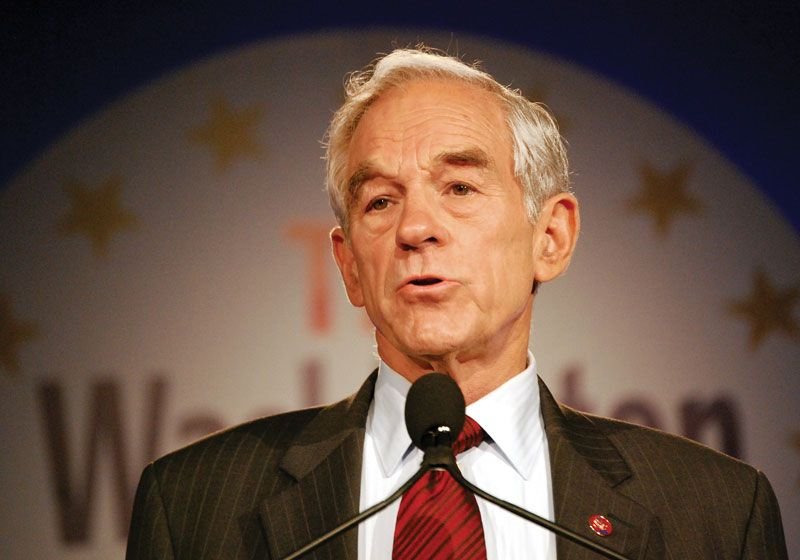
Former U.S. Congressman Ron Paul criticized the nation's growing federal debt, urging Washington to reduce its foreign military commitments.
The editorial office reports that in a statement published on his X account, Ron Paul stated that the U.S. cannot simultaneously finance both a military empire and extensive social spending. According to him, one of these two directions must eventually be cut.
Paul called the U.S. federal debt, which is approaching $40 trillion, "the elephant in the room" and said that this problem can no longer be ignored. According to the U.S. Department of the Treasury's database, the country's total public debt is tracked daily and includes both government securities held by the public and intra-governmental obligations.
The former congressman stated that the U.S. must abandon its military empire, close its overseas bases, and bring its troops home. In his opinion, the primary duty of the American military should be to defend the U.S. itself, not to participate in foreign conflicts.
Ron Paul's statement coincides with the period when the Donald Trump administration proposed a $1.5 trillion defense budget for the 2027 fiscal year. According to Reuters, this package is considered one of the largest annual increases in U.S. defense spending since World War II.
The budget draft identifies the "Golden Dome" missile defense system, unmanned aerial vehicles, artificial intelligence, space defense, and the expansion of the military-industrial base as key priorities. According to the Pentagon's statement, these expenditures are intended to maintain U.S. military superiority and prepare for new threats.
However, Ron Paul and critics like him believe that Washington is further deepening the financial crisis by expanding military spending while the debt burden increases. According to their position, the U.S. faces a choice: either maintain its foreign military empire or preserve economic stability within the country.