

February 2026 saw a sharp increase in electric and plug-in hybrid car sales. Tesla, BYD, and Zeekr are leading in this sector.
Redaksiya reports that in February, sales of battery-electric vehicles (BEVs) reached 11,134 units, accounting for 12.2% of the total new car market. This figure was 8.4% in January. Overall, 91,131 new cars were sold in February, a 2.7% decrease compared to the same period last year. Despite the overall market decline, sales of electric and plug-in hybrid cars have shown strong growth year-on-year.
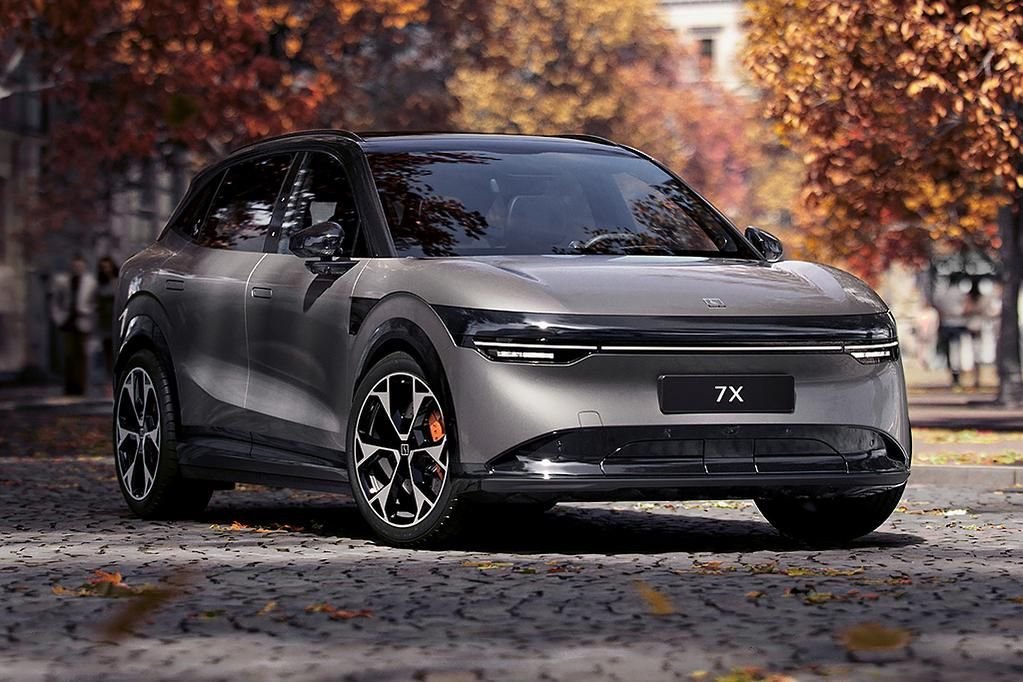
BEV sales have reached 14,966 units since the beginning of the year, representing an approximately 50% increase compared to 9,516 units in the same period of 2025. The Tesla Model Y has once again become the best-selling EV model after a weak performance in January. BYD has secured three models in the top five. The Zeekr 7X, in only its second month on the Australian market, took third place overall with 628 sales. This put it ahead of well-known models such as the Tesla Model 3 and MG MG4. The BYD Atto 3, Australia's most affordable EV, also set a new monthly record in February with 349 sales.
Sales of plug-in hybrid (PHEV) vehicles have also seen an increase. In February 2026, 5,854 PHEVs were sold, a 20.2% increase compared to 4,871 units in February 2025. The popularity of PHEVs continues to grow as more models enter the market and buyers seek flexibility between electric and petrol engines for long journeys.
February 2026 also marked the first month that China surpassed Japan as the largest supplier of new cars sold in Australia. Sales of Chinese-made cars increased by 50.5% year-on-year, while sales of Japanese-made cars decreased by 31.3%. This statistic includes cars from non-Chinese brands manufactured in China (e.g., Tesla and Kia). FCAI Chief Executive Tony Weber noted that after 28 years, China has overtaken Japan as a car supplier for the Australian market in a single month. Chinese-manufactured cars have the largest representation in EV models in both BEV and PHEV categories.