

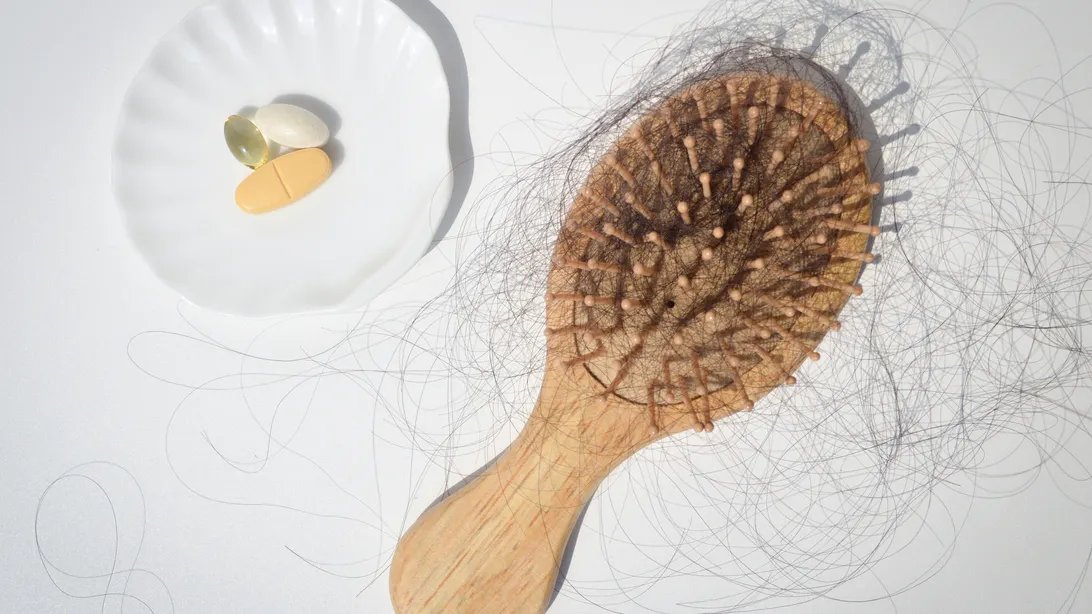
If a few strands of hair remain in your hand while brushing, don't panic. Losing 50 to 100 hairs daily is normal. However, if you notice significant hair loss in clumps or the appearance of dandruff, it may be time to consult your doctor about hair loss and its causes. One of the potential causes of hair loss is vitamin deficiency, which can be addressed with a balanced diet. However, if you are not getting the necessary vitamins and minerals, or if you have a health condition, your doctor may recommend taking vitamin supplements. The following are the best vitamins for hair growth.
Redaksiya reports that vitamins do a lot of wonderful things for hair. They can help cells grow, prevent damage from free radicals, prevent premature graying, and nourish follicles that stimulate growth. Here are the best vitamins for hair growth and thickening:
Biotin, also known as vitamin B7, stimulates keratin production to enhance follicle growth. Biotin deficiency is rare, with biotinidase deficiency being the most common. You can find this vitamin in many foods, including eggs, meat, fish, nuts, sweet potatoes, and seeds. The recommended intake is 30 micrograms daily for adults. However, one side effect associated with biotin can be the development of acne. In this Reddit thread, a user asked for advice on which vitamins and supplements others use for hair growth. Several responses indicate that consuming more biotin led to acne. This may not be the same for everyone, but it's worth considering if you're taking biotin supplements. If you notice more acne, consider one of the other vitamins for healthy hair. Vitamin A is the fastest-growing part of the body's hair cells. It makes sense that vitamin A is the perfect fuel for this growth. When your body absorbs vitamin A, it produces sebum. This is an oily substance that keeps your scalp and hair follicles healthy. Vitamin A deficiency can lead to hair loss. To consume more vitamin A, you'll want to eat foods rich in beta-carotene, which converts to vitamin A. Foods rich in beta-carotene include sweet potatoes, pumpkin, carrots, spinach, and kale. You can also find it in cod liver oil, eggs, yogurt, and milk. The recommended daily intake for vitamin A is up to 900 mcg for men and 700 mcg for women. Be mindful of excessive vitamin A intake, as it can have harmful effects and has been linked to birth defects during pregnancy.
Vitamin C is one of the main factors causing oxidative stress hair loss. This occurs when there is an imbalance between free radicals and antioxidants in our body, leading to an electron imbalance that can cause hair loss. The solution is to consume foods with vitamin C. Your body has antioxidants that balance the electrons of free radicals to reduce hair damage. In addition to maintaining balance, vitamin C helps your body produce collagen (which prevents premature graying of hair) and absorb iron - somewhat addressing iron deficiency - which can help hair growth. Smoking, drinking alcohol, and poor nutrition can lead to vitamin C deficiency. You can find vitamin C in citrus fruits, peppers, strawberries, tomatoes, and guava. Since your body does not produce it, you must include these in your diet or take supplements with vitamin C. The daily intake for vitamin C is up to 90 milligrams per day for adult men and 75 milligrams per day for adult women. Excessive vitamin C intake can cause heartburn, muscle cramps, fatigue, skin flushing, and possible kidney stones. Vitamin D Vitamin D deficiency can cause hair loss conditions such as alopecia, female pattern hair loss, and excessive shedding. You will see this decrease more in people aged 65 and older. To get more vitamin D, you can include fatty fish, cod liver oil, fortified foods (cereals, eggs, bread, yogurt), and mushrooms in your diet. Alternatively, you can get afternoon sun exposure. The recommended dose of vitamin D for adults is 600 IU. Excessive vitamin D intake can cause nausea, weight loss, disorientation, and heart rhythm problems. Vitamin E Vitamin E has the same antioxidant power as vitamin C. This means it can reduce oxidative stress by balancing the electron level in free radicals. People more prone to vitamin E deficiency include those with health conditions such as Crohn's disease or cystic fibrosis. Vitamin E is an effective method for treating hair loss. A small study showed that people taking vitamin E supplements for eight months experienced a 34.5% increase in hair growth. You can also find vitamin E in sunflower seeds, spinach, avocados, and almonds. If you plan to take supplements, the recommended daily intake is 15 milligrams. Iron ensures the production of hemoglobin found in your red blood cells. These cells distribute oxygen to the cells in your body, helping them repair and grow. Iron deficiency can cause hair loss, with women being the most vulnerable. Iron is found in foods such as eggs, red meat, lentils, spinach, oysters, and mussels. You can take iron supplements if your doctor recommends it. The recommended daily iron intake is 45 mg. Remember that excessive iron intake can cause constipation, abdominal pain, and vomiting. Zinc Zinc promotes hair growth and ensures that the oil glands surrounding the follicles function properly. If you have a zinc deficiency, you may experience hair loss. Those most prone to zinc deficiency include heavy drinkers, people with Crohn's disease, pregnant or breastfeeding women, and those with chronic kidney disease. You can find zinc in many common foods, such as beef, spinach, wheat germ, pumpkin seeds, oysters, and lentils. The recommended daily dose of zinc is 11 mg for men and 8 mg for women. Excessive intake can cause loss of appetite, cramps, and headaches. It can also lower your good cholesterol. How long does it take for hair growth vitamins to work? Hair supplements are not an overnight solution. It can take months to see small improvements. Remember that the success rate depends on the cause of hair loss, your diet, genetics, and other factors. Do hair vitamins really work? Vitamins for hair growth may work for some, while others may not see a difference. However, consistent use is important to see long-term results, so don't expect overnight changes. (And don't invest in products that promise significant results in a short time.) Again, this is a frequently asked question on Reddit. In this discussion thread, someone asks which vitamins help with hair growth and thickening. One of the responses is from a person who uses both collagen and biotin and sees a significant difference in their hair and nails. Their hair breaks less and feels stronger, and their nails grow faster. So, in addition to hair growth, some of these supplements can also give your skin and nails a boost. The conclusion is that vitamins can repair damaged hair, prevent premature aging, reduce hair loss, and increase growth and volume. They are also not a one-size-fits-all solution. If you are experiencing significant hair loss, you will want to consult your doctor, as it may stem from your environment, an underlying medical condition, or another factor. They can work with you to create a targeted plan that may include vitamins. Frequently Asked Questions About the Best Hair Growth Vitamins
What is the best vitamin for hair growth? Several vitamins and minerals are involved in hair growth by helping cells grow and nourishing follicles. The best vitamins for hair growth are: Biotin, Vitamin A, Vitamin C, Vitamin D, Vitamin E, Iron, Zinc. What vitamin deficiency causes my hair to fall out? There are several reasons for your hair to fall out, including vitamin deficiency. You may experience hair loss if you are deficient in vitamin D, biotin, iron, vitamin B12, zinc, or vitamin A. It is best to talk to your doctor, who can help determine exactly which vitamins are lacking before taking supplements. Other causes include genetics, medication side effects, or medical conditions. Taking vitamins for hair growth will not help in these cases, as they only address nutritional deficiencies. What best stimulates hair growth? Vitamins for hair growth only work if there is a deficiency in essential vitamins. Sometimes, changes in your lifestyle and diet can help more than vitamins. A diet low in calories, fat, and protein can lead to unhealthy hair and hair loss. Also, you should try to reduce stress as much as possible, as it can be linked to hair loss. Can you prevent hair loss from starting? While some forms of hair loss cannot be prevented, there are things you can do to keep your hair healthy and minimize its impact. The Cleveland Clinic recommends the following: Healthy eating, Stress management, Managing medical conditions, Loose hairstyles, Using a cooling cap if undergoing chemotherapy.