

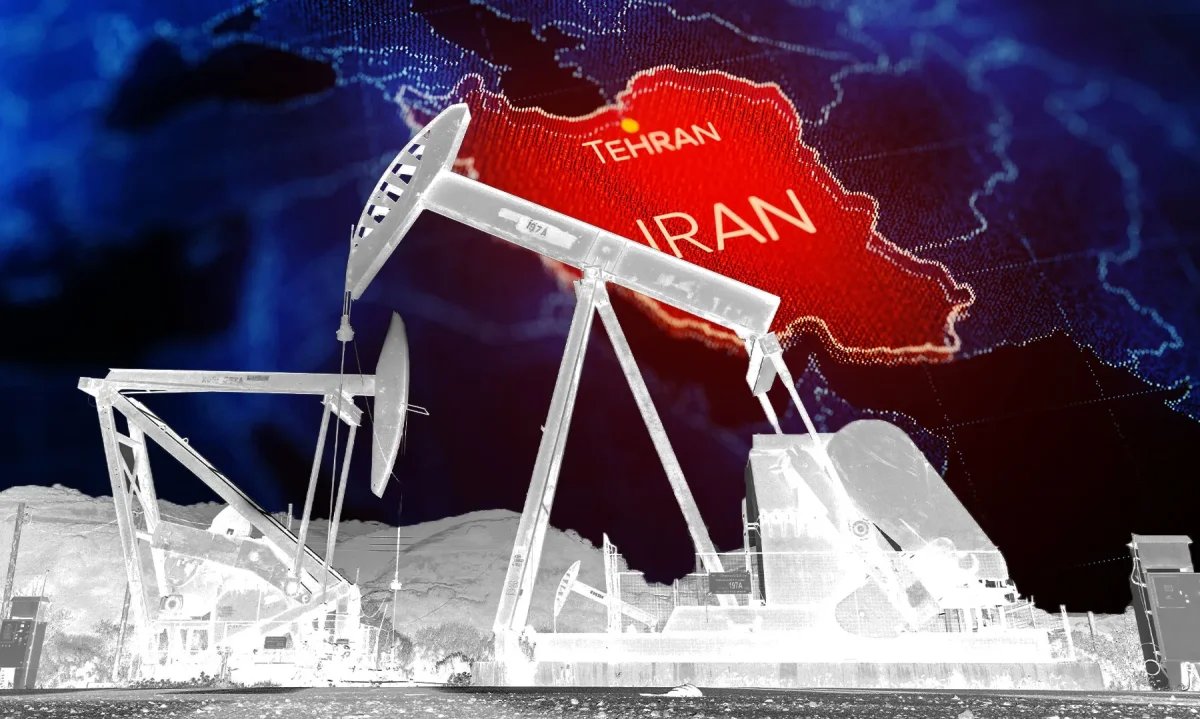
The impact of the conflict in the Middle East on global energy prices is a focal point for the international community. Events in this region, especially those involving oil and gas producing countries, can lead to potential disruptions in energy supply and subsequent price increases. According to analysts, rising tensions reduce investor risk appetite, leading to volatility in energy markets.
Redaksiya reports that during such conflicts, the cessation of production in oil-producing countries or the lack of security on transportation routes directly affects global supply. Furthermore, in the context of political instability, some countries may release strategic oil reserves, which can lead to a temporary drop in prices, but this usually has a short-term effect.
Experts note that the scale and duration of the conflict in the Middle East are the main factors that will determine the future trajectory of energy prices. The outcome of international diplomatic efforts, whether parties sit down at the negotiating table, or if the conflict further escalates, will also impact prices. The global economy's energy demand also plays a significant role in this process.
In this context, some countries are trying to increase energy security by accelerating the transition to alternative energy sources. However, in the short and medium term, the share of oil and gas in the global energy balance remains significant. Therefore, the impact of any tension or conflict in the Middle East on energy markets is inevitable.