

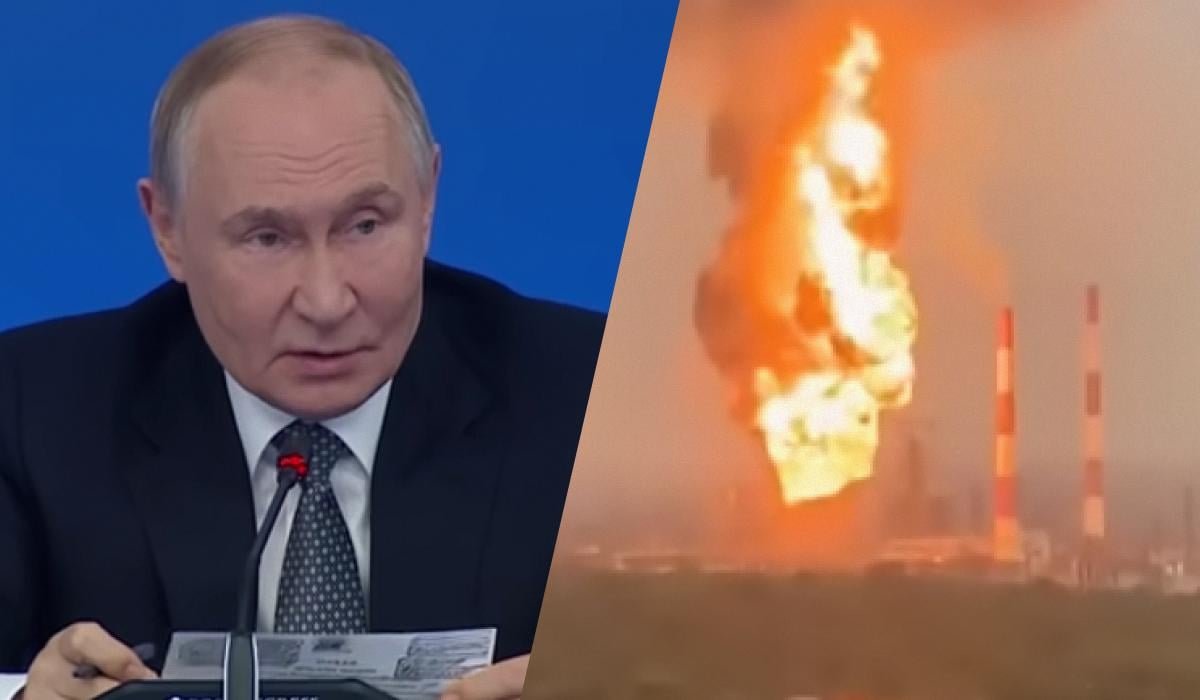
Russia is being forced to sell its oil, even offering record discounts to find buyers. This means a significant loss of revenue for the Russian budget and difficulties in further financing its offensive against Ukraine, but the Kremlin is not yet sufficiently intimidated. This is reported by "The Telegraph".
Redaksiya, citing Unian, reports that analysts say that while Russian exporters have so far managed to circumvent Western oil sanctions, the imposition of sanctions on two of Russia's largest oil companies, Rosneft and Lukoil, in October has made their lives considerably more difficult. Analyst Steffen Ditel from Altana Wealth stated that if this continues, it will create major problems for Putin, as a key part of his strategy to sustain the domestic economy is to utilize high revenues from oil exports.
A decision will be made at a meeting on March 1st with the participation of the cartel's main members. Increased production will allow countries like Saudi Arabia and the United Arab Emirates to regain market share, while Russia and Iran face restrictions due to sanctions.
Furthermore, one of the EU's previous sanction packages banned the purchase of oil products produced from Russian oil in India. This encouraged Indian refineries to seek alternative oil suppliers instead of Russia. The publication notes that in January, the price of Urals, the main grade of Russian oil, fell to an average of $37.50 per barrel, as the Kremlin faced US sanctions and more complex trade relations with India. Hamad Hussein, an economist for commodities at Capital Economics, believes that all of this will force Russia to offer even greater discounts on its oil for Chinese refineries to partially compensate for India's loss.
Robin Brooks, former chief economist at the International Monetary Institute, notes that Russian oil is now 42% cheaper than the Brent benchmark, which is trading at $67 per barrel.
Additionally, an agreement between the leaders of the US and India that Indian refineries would stop buying Russian oil in exchange for reduced US tariffs on Indian goods was another blow to Russia. As "UNIAN" writes, the oil-exporting group OPEC+ is preparing to make a significant decision to increase oil production from April 2026 in response to the expected increase in demand during the spring and summer months.