

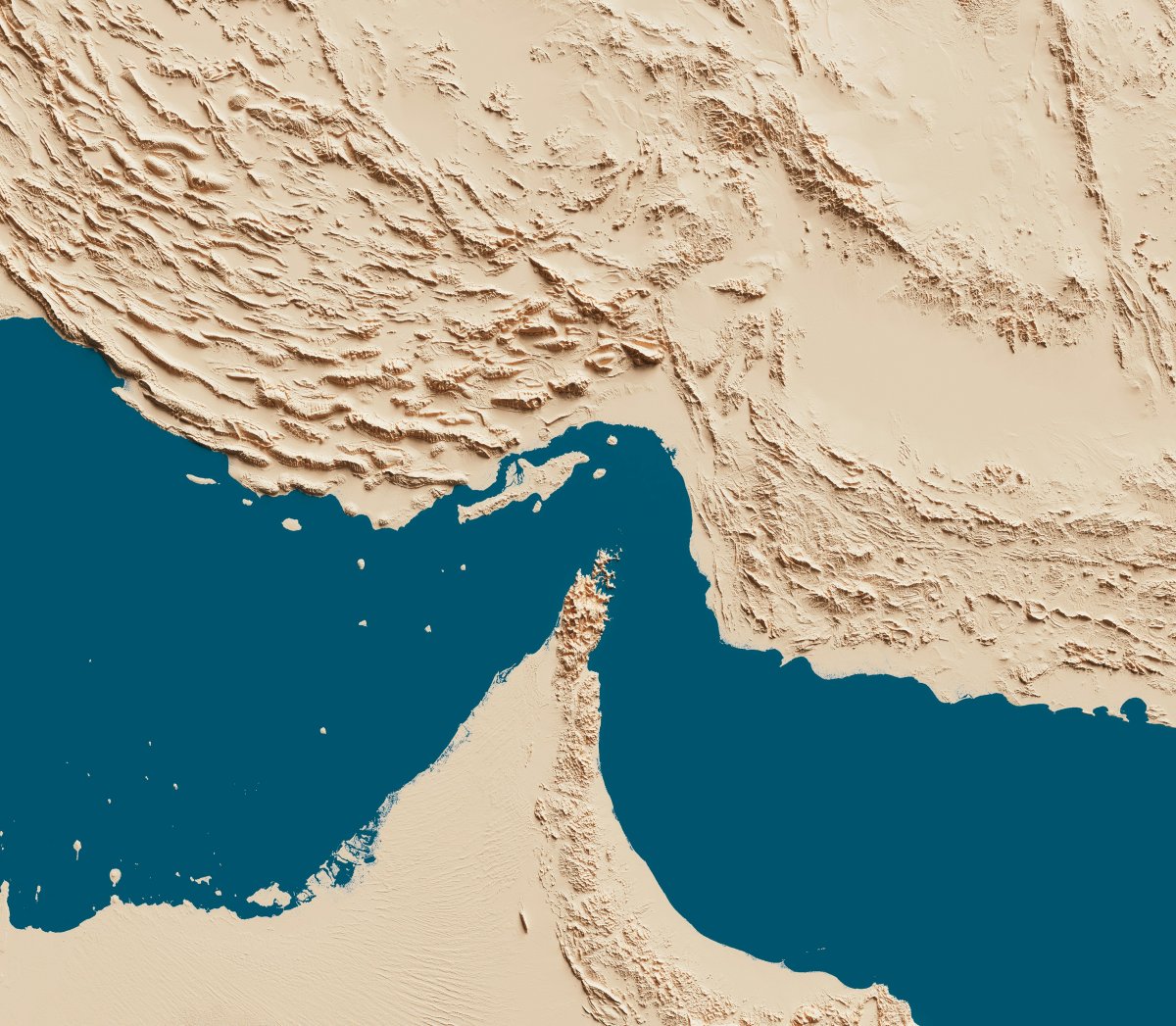
A new bill is being prepared in the Iranian parliament that changes the rules for transit through the Strait of Hormuz. Ibrahim Azizi, Chairman of the National Security and Foreign Policy Commission of the Iranian Parliament, stated that the project consists of approximately 11 articles and envisages the creation of a new management mechanism over the strait.
The editorial office reports that, according to the project, it is proposed to collect fees from ships passing through the Strait of Hormuz, and these payments are to be made in Iranian Rial. According to Azizi, the document envisages a complete ban on the passage of ships owned by or affiliated with Israel, and restrictions on ships related to “enemy countries.”
The Iranian side presents this step as compensation for the economic damage suffered by the country due to sanctions and frozen assets abroad. Azizi stated that transit fees should be collected from countries that have inflicted financial damage on the Iranian economy, and the revenues obtained should be paid in Rial.
The Strait of Hormuz is a strategic transit point for the global energy market. According to the U.S. Energy Information Administration, an average of 20 million barrels of oil and petroleum products passed through this strait daily in 2024, accounting for approximately 20 percent of global liquid fuel consumption. The International Energy Agency also states that the strait carries approximately a quarter of the world's seaborne oil trade.
Collecting fees in Rial could create new currency demand for Iran and support the national currency, which is weakened under sanctions. However, its real economic impact depends on several factors: whether ships will comply with this rule, how international banks will process Rial payments, whether major energy buyers like China and India will agree to this mechanism, and what steps the U.S. will take against it.
However, the UN's International Maritime Organization (IMO) has rejected the legal basis for such fees. The head of the organization, Arsenio Dominguez, stated that there is no legal basis to impose taxes, customs duties, or additional fees on transit through straits used for international navigation.
Iran's plan is compared to Russia's demand for gas payments from Europe in rubles in 2022. That model helped Moscow create additional demand for the ruble. However, the Strait of Hormuz is a more sensitive issue from the perspective of international maritime law, and it is not yet clear whether Iran's Rial-based fee plan will work in practice.