

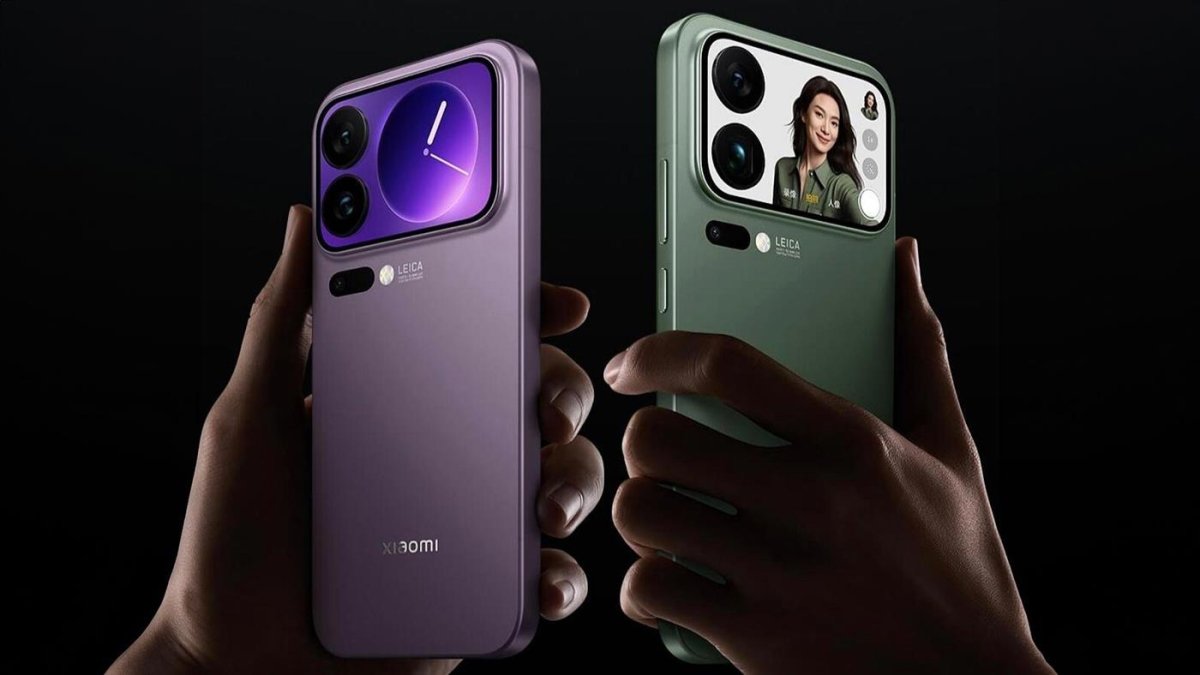
The reasons behind smaller batteries in global versions of some Chinese-made phones have been investigated. This trend is observed as some Chinese smartphones are released to global markets with lower battery capacities compared to their Chinese versions. But why do Chinese manufacturers make such a change?
Redaksiya reports that the main reason is battery transportation regulations. The most significant reason for using smaller batteries in the global market is the regulations for transporting lithium-ion batteries, particularly in Europe and some major markets. Within the framework of the "European Agreement concerning the International Carriage of Dangerous Goods by Road" and similar international aviation regulations, lithium-ion cells above 20 Wh are classified as "dangerous goods."
A single cell in a smartphone exceeding the 20 Wh limit is equivalent to approximately 5200 mAh. If this limit is exceeded, transporting the devices becomes more complex and expensive. Many shipping companies do not accept such products within standard shipments; special documentation and transportation procedures are required. This makes it difficult to sell phones with large single-cell batteries in Europe, the US, and some other markets.
At first glance, the solution might seem simple: divide the battery into two cells, keeping each below the 20 Wh limit. However, this solution cannot be easily implemented for every model. A multi-cell design requires changes in internal layout, more complex charging circuits, and additional safety measures. Furthermore, this configuration usually takes up more space, increasing the device's thickness and weight. Instead of preparing a separate internal design for the region, reducing the overall battery capacity might be a more practical choice for manufacturers.
The difference in battery capacity is not unique to Xiaomi. For example, the European version of the Vivo X300 Pro is known to come with a smaller battery. Similarly, Redmi and POCO, sub-brands of Xiaomi, may also offer lower-capacity batteries in the global market compared to their Chinese versions. The underlying reason remains logistical and regulatory restrictions.
While shipping regulations are the biggest factor, other factors can also play a role:
Market expectations: In some regions, a slim and lightweight design is more important than maximum battery capacity.
Certification processes: Larger batteries may require more extensive testing and approval processes in various countries.
Service and logistics: Warranty and service processes for devices with large batteries can become more complex for international companies.