

The changing security dynamics in the Arctic region have led to increased attention in the international arena. Although this region was previously considered far from geopolitical rivalry, it now plays a crucial role in global and transatlantic security issues. These changes, due to the growing strategic importance of the Arctic, create new challenges in international relations.
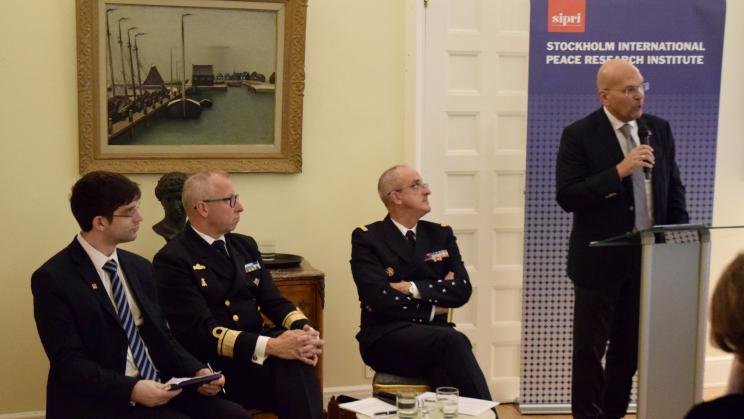
Redaksiya reports that the Stockholm International Peace Research Institute (SIPRI) and the French Embassy in Sweden organized a round table on October 21 on the development of security dynamics in the Arctic. This event aimed to discuss the region's growing role in the geopolitical arena and the security problems arising from it. During the discussions, issues related to the increasing strategic importance of the Arctic and the clash of interests in this region were thoroughly examined.
At the round table, various factors affecting the changing security environment in the Arctic region were discussed, including climate change, the struggle for resources, and increased military activity. Climate change leads to the melting of Arctic glaciers, which in turn opens up shipping routes and increases access to natural resources in the region. This situation can lead to new geopolitical rivalries and security problems in the region. At the same time, increased military activity in the Arctic further escalates tensions in the region. In this context, the importance of international cooperation and dialogue was emphasized.
Participants at the event noted the importance of adhering to international legal norms, pursuing transparent policies, and combining efforts to increase mutual trust for the preservation of peace and stability in the Arctic. During the discussions, the significance of diplomatic efforts aimed at reconciling the interests of Arctic countries, including Canada, Denmark, Finland, Iceland, Norway, Russia, Sweden, and the USA, in this region was emphasized. Furthermore, the role played by international platforms such as the Arctic Council in promoting cooperation and preventing conflicts in the region was highlighted. The results of the round table laid the groundwork for broader discussions on security issues in the Arctic region.