

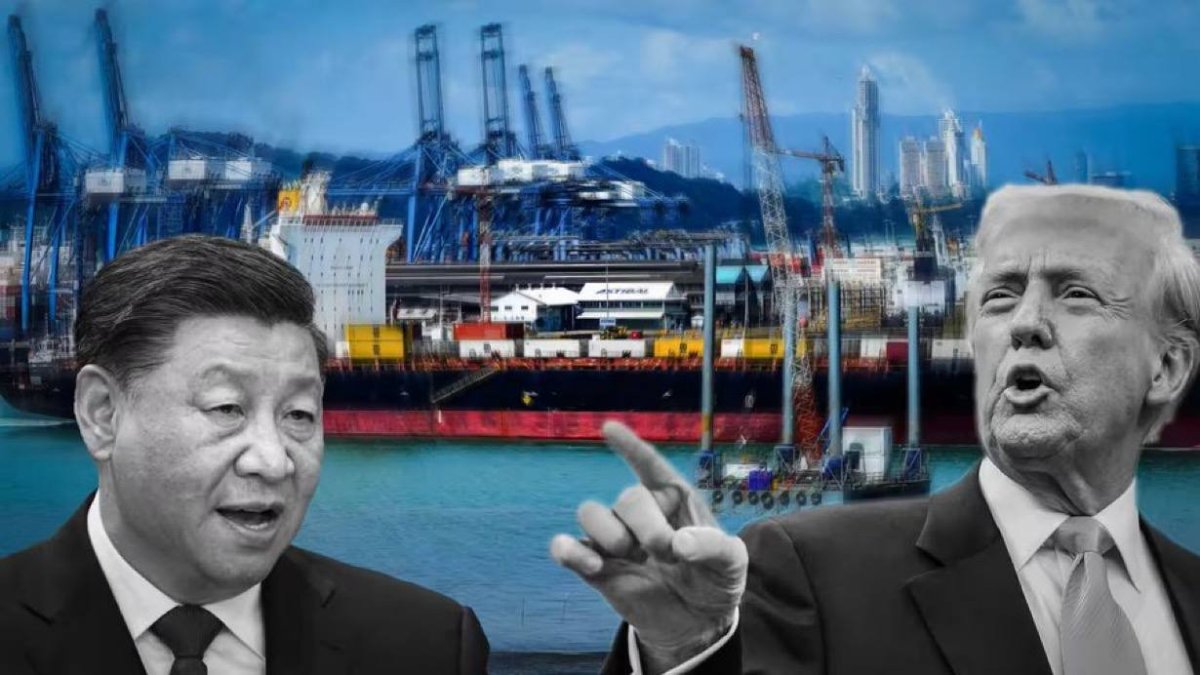
A new turn has occurred in the ongoing strategic competition around the Panama Canal. The official collapse of the planned agreement by BlackRock, one of the world's largest investment companies, regarding the canal's infrastructure, has strengthened China's position in the region.
The editorial office reports that the latest incident in the Panama Canal, one of the main focal points in the US-China struggle for global logistical control, is considered a serious setback for Washington. The withdrawal of US-backed BlackRock's investment initiatives related to the canal's water resources and expansion, facing Panama's internal political reasons and public pressure, has led to the ascendancy of forces more open to cooperation with China.
According to reports, Chinese companies have already begun negotiations for new contracts in infrastructure and logistics around the canal. The Beijing leadership has long been expanding its position at this point by strengthening economic and diplomatic ties with Panama.
Experts state that this struggle for the canal's management and modernization is not only economic but also of great importance in terms of strategic security. The Panama Canal, as a point through which 5 percent of world trade passes, is considered a critical transportation hub for China.
US officials, however, are considering alternative steps to protect their interests in the region after the collapse of the BlackRock deal. Political analysts believe that this event indicates Washington's weakening economic influence in Latin America and is further proof of the effectiveness of China's soft power strategy.
Farid Alizade