

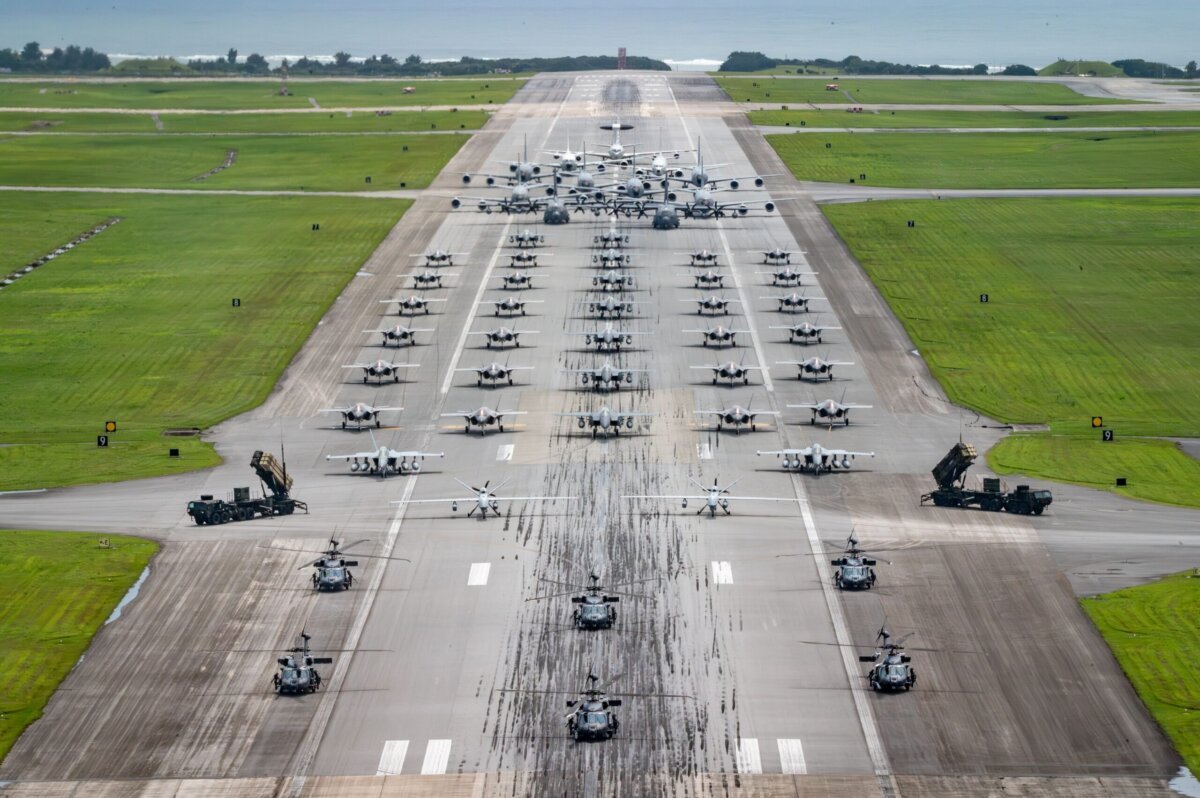
New decisions adopted by the U.S. Congress indicate important changes regarding the future development of the country's Air Force. These decisions underscore the necessity of re-evaluating defense priorities and adapting them to modern requirements.
Redaksiya reports that the U.S. Congress has prevented the retirement of A-10 Thunderbolt II and F-15 fighter jets, RQ-4 Block 40 Global Hawk unmanned aerial vehicles, KC-135 refueling aircraft, and C-130 transport aircraft. This decision indicates that plans for U.S. defense aviation will continue under closer Congressional oversight in 2026. The legislative body took this step at a time when major modernization programs are facing delays, financial pressures, and production uncertainties.
One of the main reasons behind this decision is the assessment of the current state of the U.S. Air Force and the determination of its future needs. Congress believes that proposals to retire various types of aircraft could negatively impact the country's defense capabilities. Specifically, aircraft like the A-10 Thunderbolt II are known for their effectiveness against ground targets, and their retirement could negatively affect U.S. operations in conflict zones. The retirement of fighter jets like the F-15 could also create problems in ensuring air superiority. RQ-4 Block 40 Global Hawk unmanned aerial vehicles are crucial for reconnaissance and surveillance missions. The retirement of KC-135 refueling aircraft and C-130 transport aircraft could create difficulties in the logistical support of military operations. Congress believes that the retirement of these aircraft would weaken the U.S.'s defense capabilities and pose a threat to the country's national security.
Furthermore, Congress is also focusing on defense budget issues. Delays in major modernization programs and financial pressures raise questions about the efficient use of the defense budget. Congress plans to implement closer oversight mechanisms to ensure the effectiveness and financial efficiency of these programs. This could include measures such as strengthening oversight of defense companies' activities, ensuring transparent bidding processes, and monitoring the expenditure of budget funds according to their allocation. This decision by Congress is an indicator of changes in U.S. defense policy and the redefinition of priorities. It also signifies an increase in Congress's role in defense decision-making and the implementation of closer oversight mechanisms. These steps will positively impact the future development of the U.S. Air Force and the assurance of the country's national security.