

Protest actions that began in Ecuador with the participation of representatives of indigenous peoples have changed the country's political landscape. These protests have primarily paralyzed life in Imbabura province and have been an indicator of dissatisfaction with government policy. These events have affected the country's socio-political life, leading to various discussions.
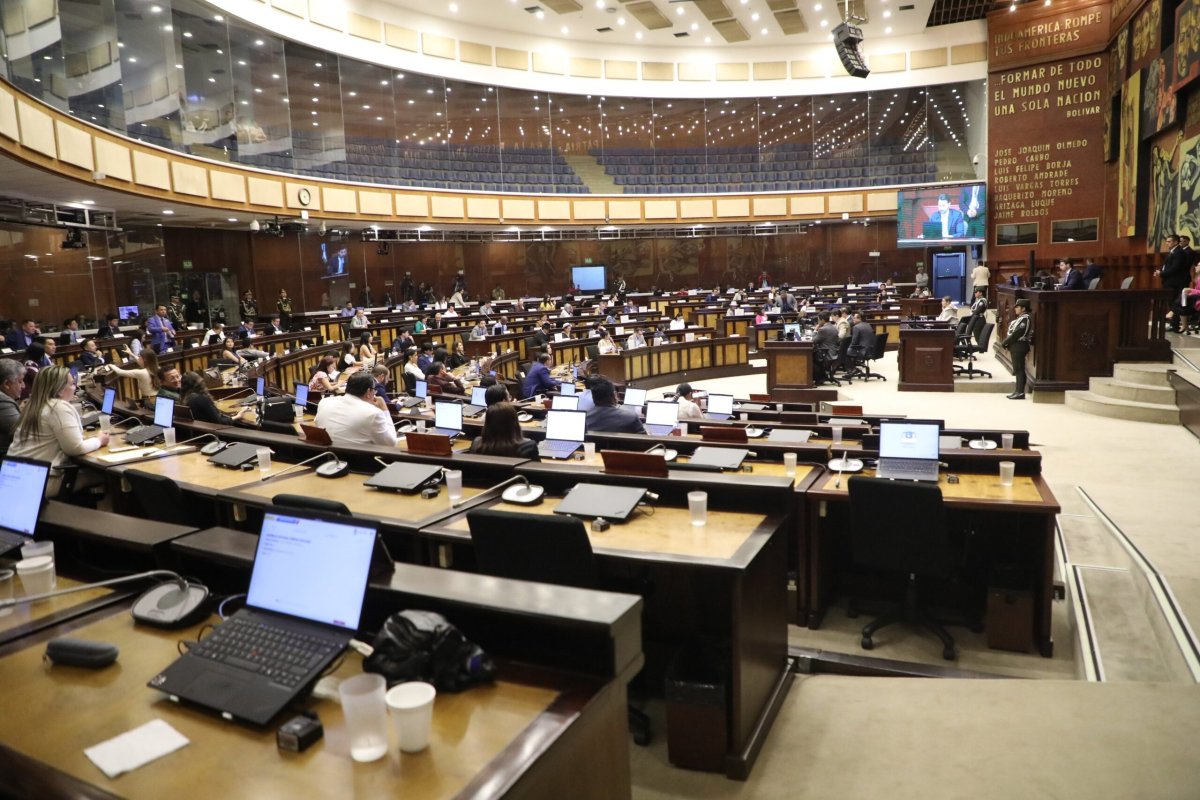
Redaksiya reports that 26 days have passed since the start of the protest actions initiated by the calls of the Confederation of Indigenous Nationalities of Ecuador (Conaie). This crisis has primarily paralyzed Imbabura province. However, the National Assembly has limited its activities by adopting six resolutions, including support for President Daniel Noboa, rejection of violence, and support for productive sectors. These resolutions are aimed at strengthening the government's position and reducing the impact of the protests.
The protests have spread across various regions of the country, especially in areas densely populated by indigenous communities. Conaie's demands have been related to changing government policies, ensuring social justice, and protecting the rights of indigenous peoples. These protests have created a platform for establishing dialogue between the government and indigenous peoples and for resolving conflicts. The resolutions adopted by the National Assembly are considered one of the steps taken to eliminate the protests and restore stability in the country. At the same time, these resolutions are also criticized for not fully reflecting the demands of the protesters.