

Bulgaria has become the 21st member of the Eurozone, despite being the European Union's poorest member, surpassing larger economies like Poland, the Czech Republic, and Hungary with this step.
The editorial reports that the transition to the euro is viewed as full integration into the European space and new economic opportunities for the young and urban population, while the elderly and rural residents view the abolition of the national currency, the lev, with concern.
The lev has been the country's official currency since 1881 and has been pegged first to the German mark and then to the euro since 1997, which is why the technical transition is considered relatively easy.
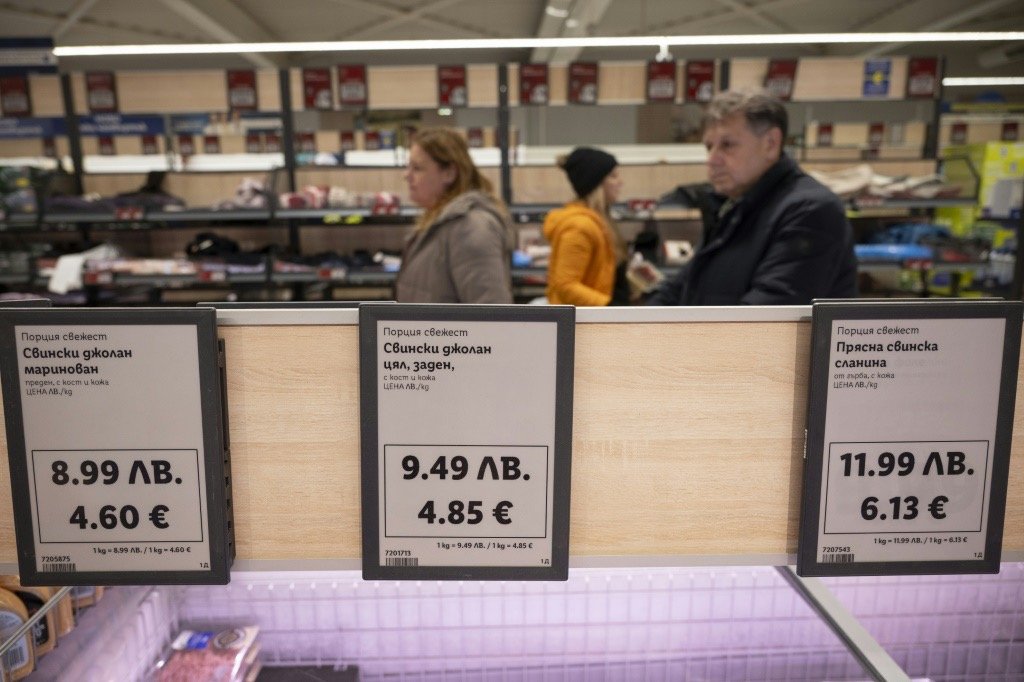
According to legislation, prices in stores will be displayed in both currencies from August 2025, and the approximate equivalence of 1 euro to 2 levs has somewhat reduced concerns about price increases.
The reflection of national symbols on the new euro coins aims to alleviate fears related to sovereignty, and the country's society is closely watching whether the euro will bring development like the Baltic model or stagnation in the Italian example.