

One of the most tragic and, at the same time, most instructive pages in Azerbaijani history is the genocide that occurred in March-April 1918. These events are etched in history not merely as a political confrontation of a certain period, but as a planned and systematic act of violence aimed at the physical annihilation of an entire nation.
After the revolution in Russia in 1917, the collapse of the empire created a serious political vacuum in the region. Taking advantage of this situation, Dashnak-Bolshevik armed groups initiated armed confrontations to secure their interests in the South Caucasus. Against the backdrop of the struggle for power in Baku, large-scale attacks were organized against Azerbaijanis in March 1918.
During these events, not only in Baku but also in Shamakhi, Guba, Lankaran, Karabakh, and other regions, thousands of peaceful Azerbaijani women, children, and elderly people were brutally murdered. Mosques, schools, and residential buildings were burned, and historical and cultural monuments were destroyed. Dozens of villages in Shamakhi were razed to the ground, and mass graves were formed in Guba, clearly demonstrating the scale and brutality of the events.
After the establishment of the Azerbaijan Democratic Republic, significant steps were taken to provide a legal and political assessment of these events. In July 1918, an Extraordinary Investigation Commission was created, and the investigation into the facts of the genocide began. However, the short lifespan of the Republic prevented this process from being fully completed.
During the Soviet era, these events were passed over in silence, their essence distorted, or completely concealed. The uncovering of these historical truths and their restoration in the people's memory only became possible during the period of independence.
It is precisely at this stage that the historical services of National Leader Heydar Aliyev should be particularly noted. By his initiative, with the decree signed on March 26, 1998, March 31 was officially declared the Day of Genocide of Azerbaijanis. This document was not only a political and legal assessment of a historical event but also a significant step towards the state-level recognition and communication to the international community of truths that had been concealed for many years.
National Leader Heydar Aliyev regarded these events as an integral part of the nation's historical memory, emphasizing the importance of an objective approach to history. Under his leadership, systematic activities began towards investigating the facts of the genocide, uncovering archival materials, and conveying these truths to the world. As a result of this policy, the March 31 events were brought into focus not only locally but also on an international level.
Today, this policy is successfully continued by Ilham Aliyev. Measures taken to convey the truths of the genocide to the world community and restore historical justice are among the priority directions of state policy. The creation of monuments such as the Guba Genocide Memorial Complex, the organization of international conferences, and the expansion of scientific research are clear examples of this policy.
The March 31 genocide is not just a tragedy of the past; it is also a serious lesson for our present and future. These events show that history can repeat itself if forgotten. Therefore, keeping the memory of such tragedies alive and conveying them accurately and objectively to the younger generation is of great importance for the preservation of national identity and statehood consciousness.
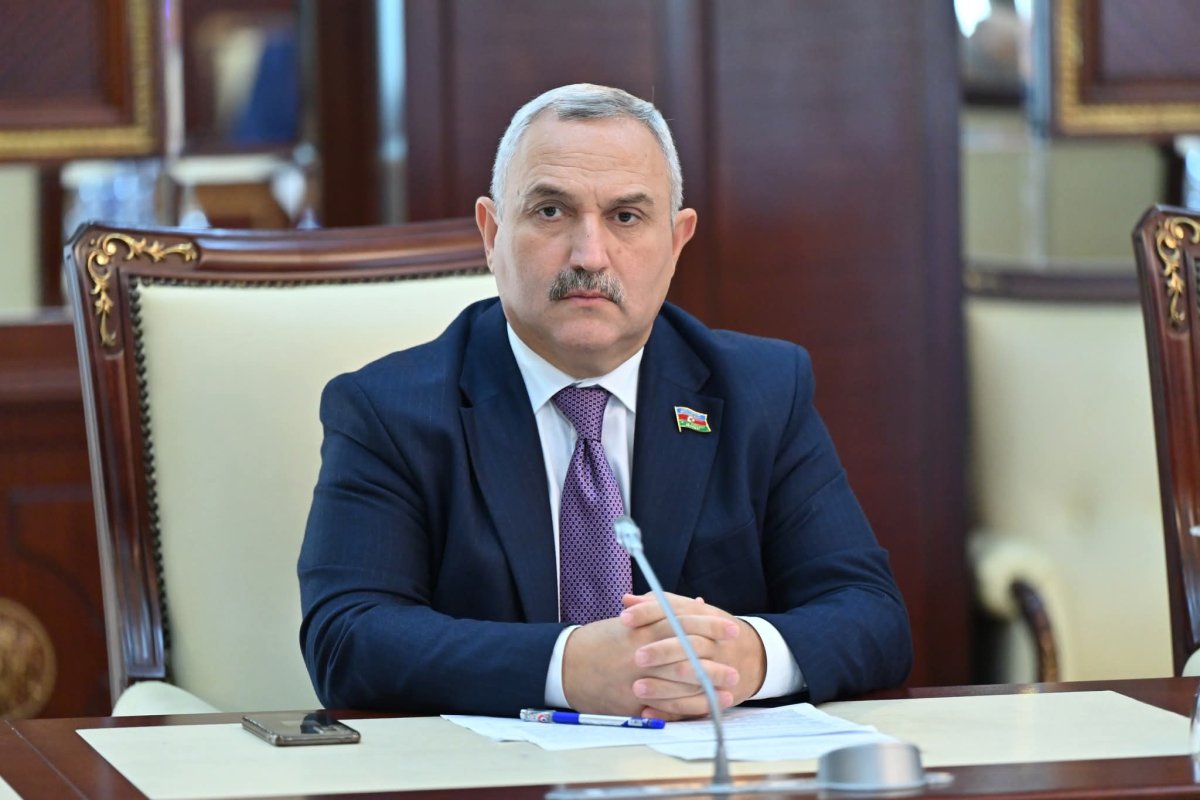
Azer ALLAHVERANOV,
Member of the Milli Majlis