

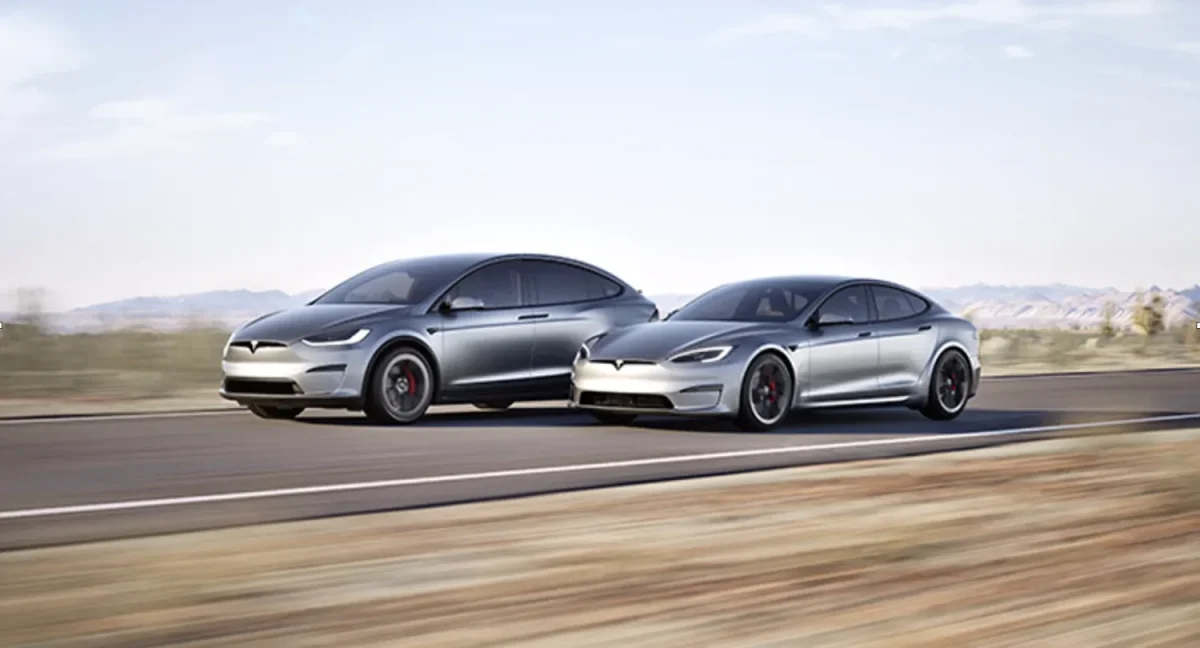
Tesla has officially halted the production of its popular Model S and Model X models. The Fremont factory will now be dedicated to the production of the humanoid robot Optimus, marking the end of an era in the world of electric vehicles.
Citing Shiftdelete, the editorial board reports that two legendary cars that revolutionized the automotive world and proved that electric vehicles can be not only "environmentally friendly alternatives" but also high-performance and luxury cars are bidding farewell to the roads. Tesla CEO Elon Musk officially announced the end of production for the brand's flagship models, the Tesla Model S and Model X.
This decision not only signifies the removal of these two models from the production line but also marks the end of Tesla's first-generation product strategy, which it dubbed "S3XY". The Model S, launched in 2012 and redefining the electric sedan segment, and the Model X, which garnered attention in 2015 with its iconic "falcon wing" doors, are now making way for next-generation projects and AI-driven technologies.
The main reason for Tesla's move is its vision to transform from an automotive manufacturer into an artificial intelligence and robotics company. According to Elon Musk, the production lines at the Fremont factory in California, previously allocated for the Model S and Model X, will be reconfigured for the mass production of the company's humanoid robot, Optimus.
The Model S and Model X have started to lose their share in Tesla's overall sales in recent years. According to 2025 data, the share of these two models in global deliveries has fallen to approximately 3 percent. Specifically, the record-breaking global sales of the Model Y and the affordability of the Model 3 have overshadowed the demand for these two larger and more expensive flagship models.