

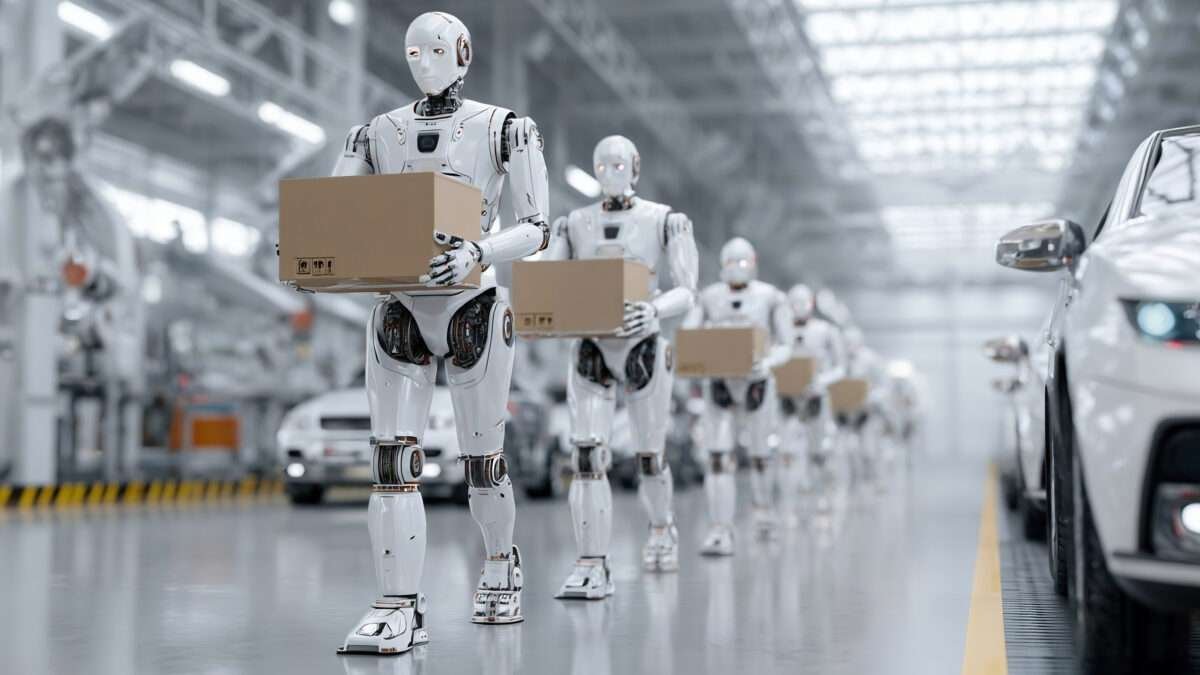
America's prosperity stemmed from embracing innovation, not taxing it. But now, some politicians want to change this formula by putting a price on progress.
Redaksiya reports that Senate Democrats have published a new report titled "The Big Tech Oligarchs' War on Workers: Artificial Intelligence and Automation Could Destroy Nearly 100 Million US Jobs in a Decade." This report gives a grim forecast regarding the significant job losses caused by artificial intelligence (AI) and proposes an extreme response: implementing a "robot tax" to fine companies that integrate AI to "expand automation." According to the report, the government would use the revenue from this tax "for the benefit of workers harmed by AI."
In the short term, this might seem appealing. A company might keep a vulnerable employee rather than pay a tax. But over time, this will discourage both employers and employees from adapting to new technologies. Workers protected from automation will have less motivation to learn new skills or become proficient with AI tools, while employers will fall behind competitors who are ready to innovate. At the same time, AI development will not slow down. It will become smarter, more complex, and more reliable. The use of AI is inevitable as an economically smart move, regardless of whether there is a robot tax. Competitors abroad will not slow down the adoption of AI. They will use it to increase efficiency, improve quality, and lower prices – and consumers will notice. Firms facing a robot tax, however, will struggle to keep up. They may cut jobs not because of automation, but because they lose to international competitors offering better, cheaper products. History shows that technological progress increases productivity and expands markets, creating more jobs in the long run. A robot tax will prevent this outcome.
Workers supposedly protected by a robot tax will actually fall behind. When seeking a new job, their resumes will have obvious gaps, such as a lack of experience using AI tools or coursework in AI fundamentals – while candidates from technologically advanced economies will possess these skills and be hired. In the long run, a robot tax will hinder American innovation.