

It has been claimed that Iran is preparing to evaluate a new regulation that would make the Chinese yuan, instead of the US dollar, the currency for payments by oil tankers transiting the Strait of Hormuz. This step could lead to potential changes in the "petrodollar system," which forms the basis of global oil trade.
The editorial reports, citing CNN Arabic, that the Tehran leadership is working on a model that restricts tanker passages and introduces a new payment system. According to claims, Iran has put forward a plan for discussion that envisages allowing passage on the condition that payments by oil tankers transiting the strait are made in Chinese yuan instead of US dollars.
A large portion of global oil trade is conducted in US dollars. This structure, known as the "petrodollar system" in international energy markets, is based on oil sales being conducted in dollars. In recent years, some countries have been trying to develop alternative payment systems in energy trade. China, in particular, is making various efforts to increase the use of its national currency, the yuan, in energy trade.
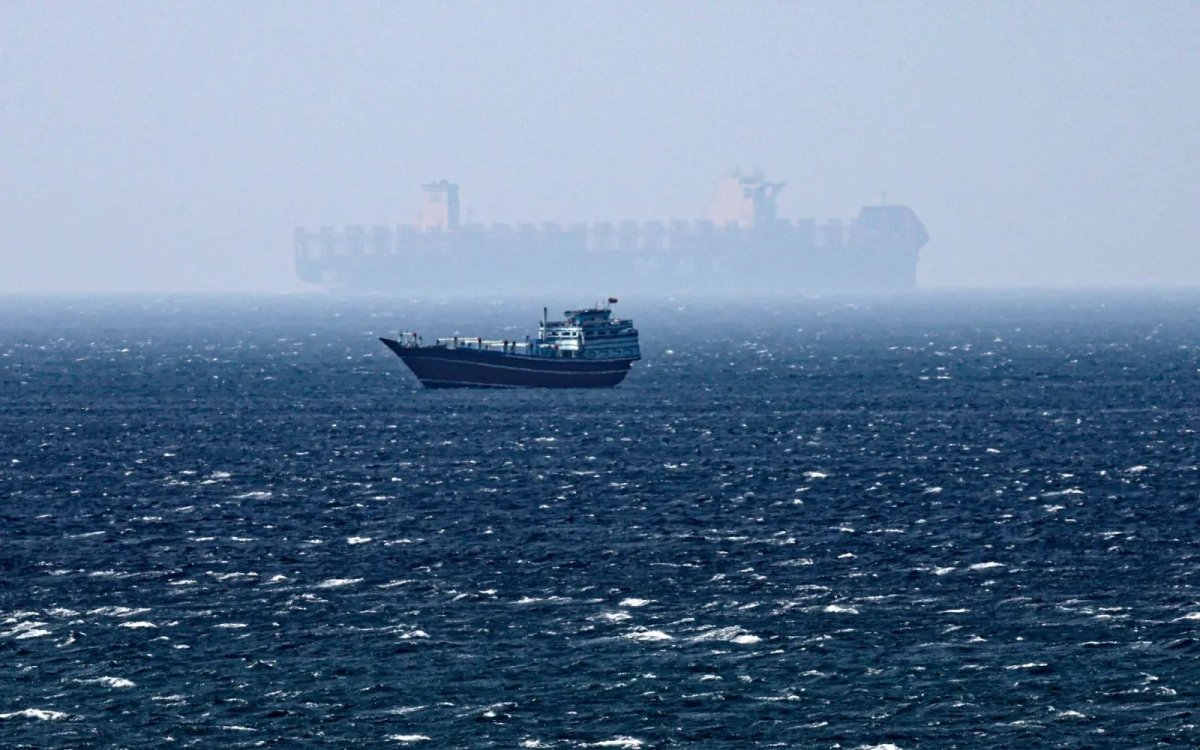
The Strait of Hormuz is of strategic importance for global energy supply. Approximately one-fifth of global oil supply is transported through this narrow strait. For this reason, even the slightest tension or restriction on passage in the strait could lead to sharp fluctuations in oil prices. Following recent developments, oil prices are reported to have reached their highest levels since July 2022.
Energy experts draw attention to the fact that events related to the Strait of Hormuz could affect not only oil markets but also the global economy. It is stated that the increase in oil prices could strengthen global inflation pressure by raising energy costs. Currently, no official decision has been announced by the Iranian leadership regarding this issue, but potential steps by Tehran are being closely monitored in the markets.