

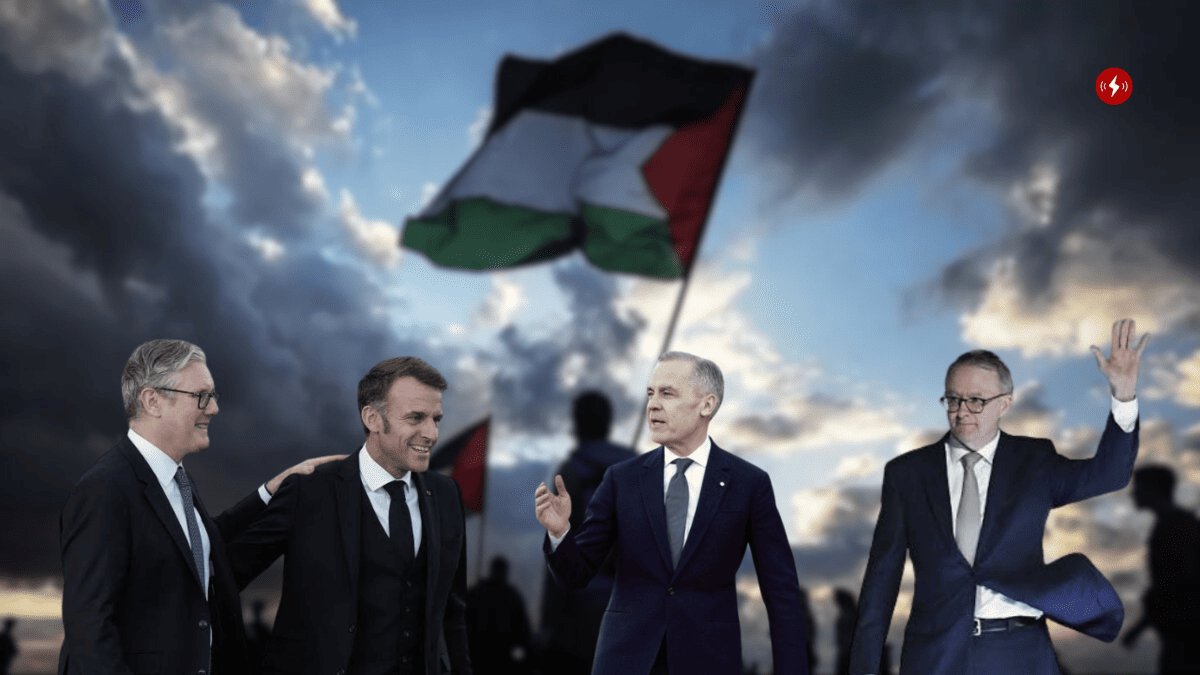
Geopolitical Monitor, one of the leading US think tanks, has published a widely resonant analysis. The article emphasizes that the recognition of Palestine as a state by numerous countries has shifted the global balance of power, initiating a new phase that is no longer limited to Palestine.
The editorial office reports that the analysis notes these decisions have caused a rift within the G7 club and ended the Western consensus on the Israel-Palestine issue that had persisted since 1967.
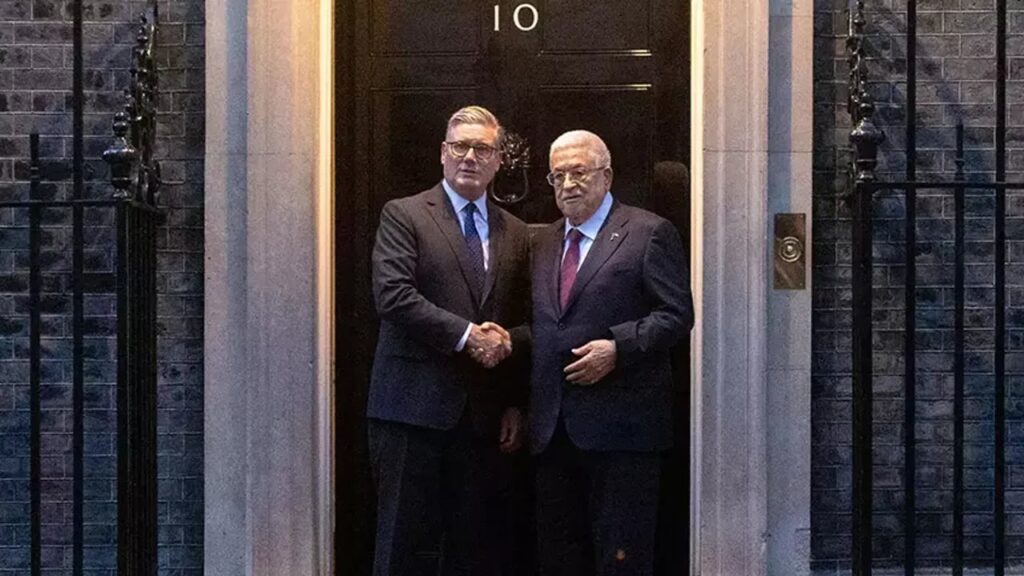
The article specifically highlights the recognition of Palestine by Great Britain, Canada, and Australia on the same days. British Prime Minister Keir Starmer had previously warned Israel that there would be severe consequences if it did not allow humanitarian aid into Gaza. It is indicated that this warning transformed into real actions on September 21. Canada and Australia also adopted a similar stance.
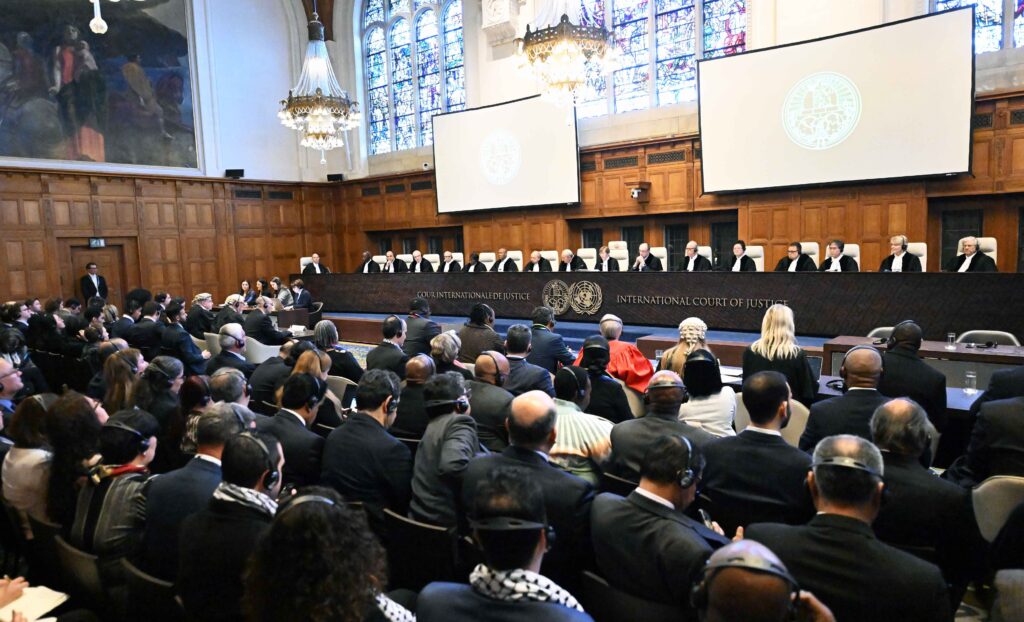
It is emphasized that the International Court of Justice's decision in July 2024, declaring Israel's occupation illegal, created an irreversible turning point, which Western governments can no longer ignore.
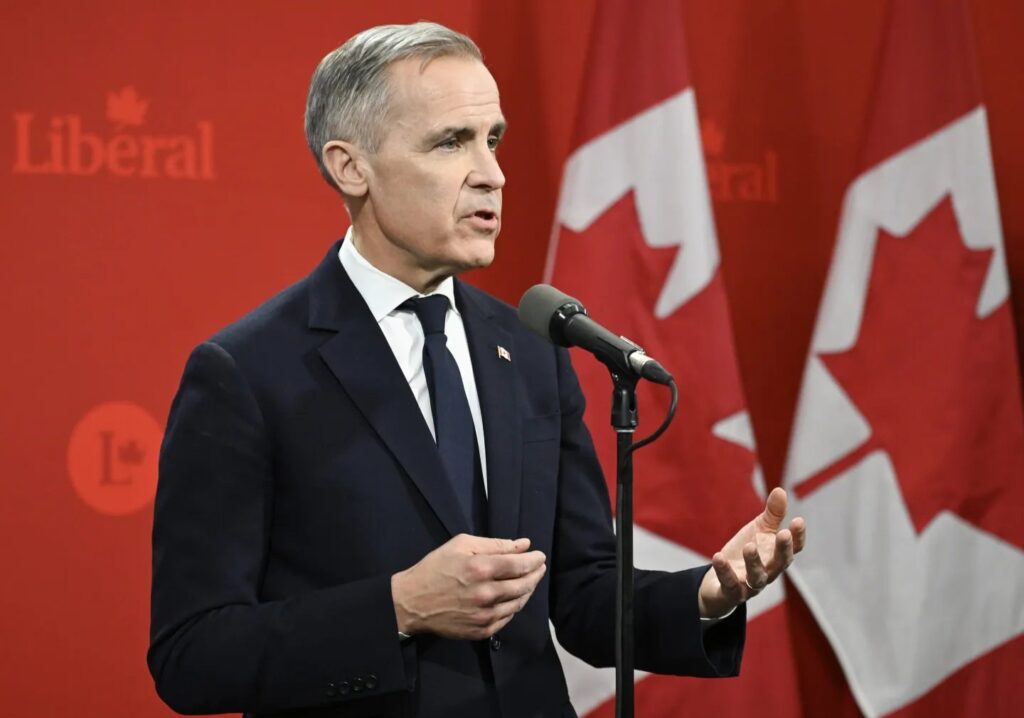
It is reported that Canada's decision was also influenced by internal political factors. Alongside the growing support from young voters and Palestinian-Canadians, Canada has long shown a desire to emerge from its “shadow role” in US foreign policy.
It is noted that Great Britain's calculations are even tougher. Starmer's statements became a reality after MI6 warned the government about Israel's new annexation plans. Israeli Prime Minister Netanyahu's labeling of these decisions as a “reward for terror” has, however, been evaluated as ineffective rhetoric.

It is also emphasized that some ministers in the Israeli government, particularly Finance Minister Smotrich, have proposed the annexation of 82 percent of the West Bank. It is noted that maps and legal frameworks are being prepared for this.
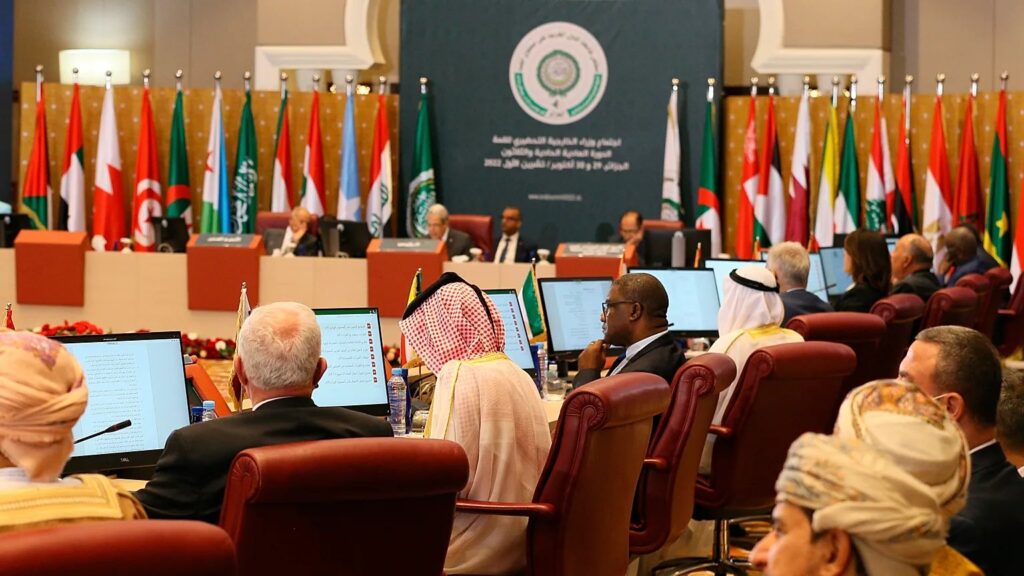
The analysis also states that there have been significant changes in Saudi Arabia's position. Riyadh has linked the normalization of relations with Israel to the condition of establishing a Palestinian state. This has shifted the West's attention more towards Riyadh than Tel Aviv.
Consequently, the article emphasizes that the current phase is not limited to Palestine alone, but rather that the global power order has changed. The US's monopoly role in the region has weakened, Western unity has diminished, and countries are now making different decisions in line with their own interests. This is said to indicate a new era that is more complex, less predictable, and likely more dangerous.