

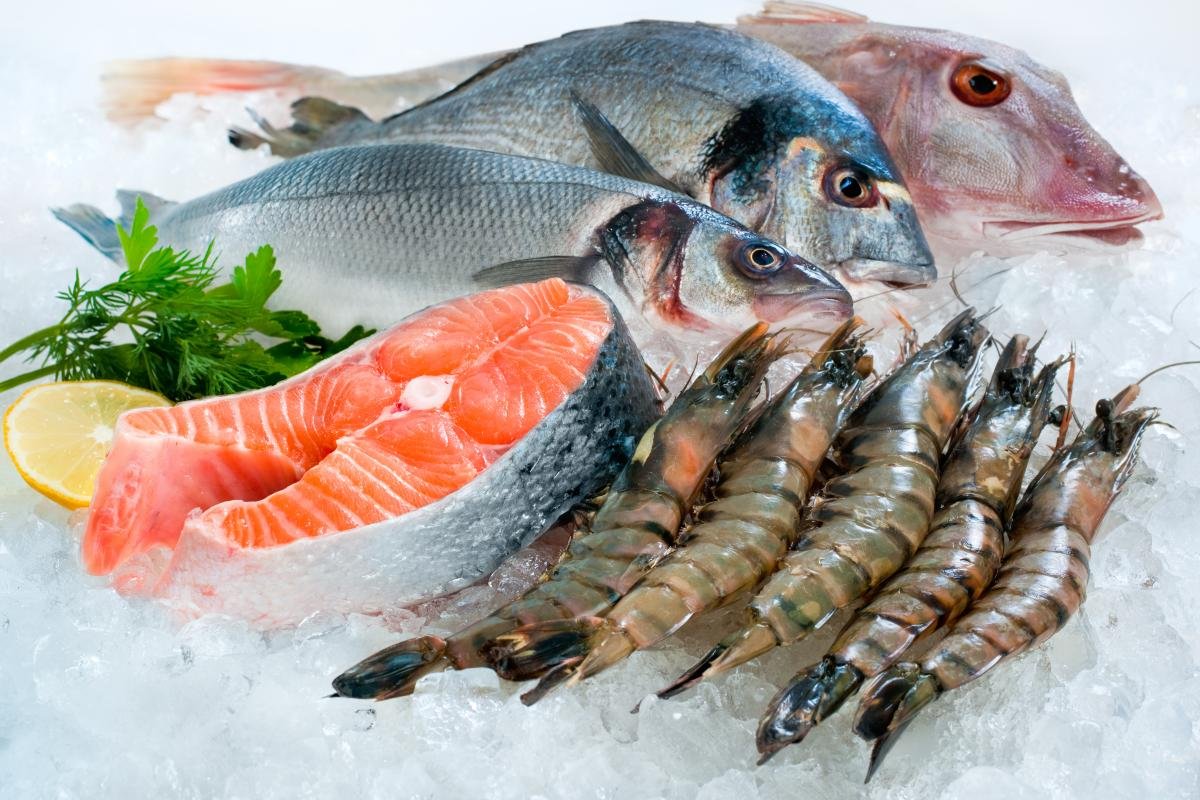
Issues concerning the sustainability and consumption of seafood have become increasingly prominent in recent years due to their ecological impacts and food safety implications. Research in this area helps clarify the effects of seafood consumption on ecosystems and human health.
Redaksiya reports that all wild salmon from the United States comes from the Pacific Ocean. NOAA manages these fisheries under two laws: the Endangered Species Act (ESA), which protects certain species, and the Magnuson-Stevens Act (MSA), which aims to maintain healthy population levels. Four of the five salmon species they protect have populations protected by the ESA. These populations are studied down to the river where they spawn and are not available for catch or sale.
Black cod caught in the U.S. Gulf of Mexico has been included on the Seafood Watch list as a "Best Choice" despite its dwindling population, as it is not overfished as it was in the past. However, the same fish caught in Mexico from the same waters has been placed on the prohibited list by the same organization, as it does not adhere to the strict limitations required by the Mexican Magnuson-Stevens Act. Furthermore, the same fish in the Atlantic Ocean has also been subjected to overfishing.
The situation with Japanese amberjack is entirely different. According to Sustainable Sushi, the population of this fish is declining. At the same time, its farming is problematic because it is a predator and is raised from young wild individuals. Furthermore, the net pens where they are raised have a high concentration of fish, leading to rapid spread of diseases that can transfer to other populations. Concentrated farming in pens also turns the ocean floor beneath them into a waste dump.
Overfishing, the intervention of wide-ranging fishing vessels and technological advancements, as well as inefficient management of fisheries, have led to a sharp decline in cod populations. As reported by NPR in 2022, Atlantic cod populations can recover. At the same time, Pacific cod fisheries, especially in Alaska and British Columbia, are doing quite well.
Marlin is at the top of the food chain, controlling other populations and preying on many smaller species. As explained by Scientific American, a side effect for humans who consume predators like marlin is the accumulation of mercury in the marlin's body to levels that are dangerous for human consumption, whereas it can be consumed in acceptable quantities in smaller fish.
If you check the country of origin label, you don't have to completely avoid tilapia. Honduras, Mexico, and Ecuador are responsible fish producers. These countries have regulations governing tilapia farming, which reduce environmental impact, including minimizing the use of fishmeal in feed and treating wastewater.
This is a white fish with a mild flavor, but its population faced overfishing in the 1990s. The problem lies in the fishing methods. Orange roughy is a deep-sea fish and is often caught using trawls.