

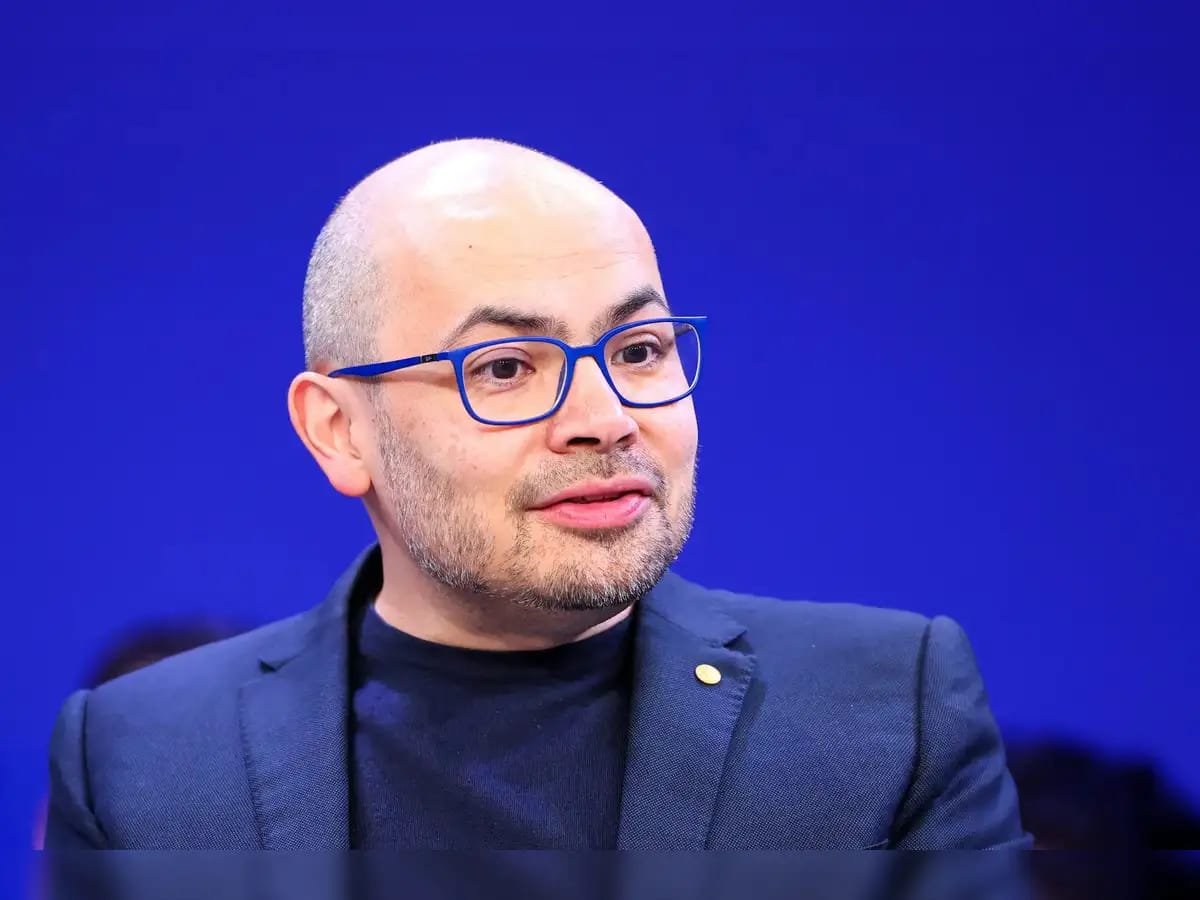
Demis Hassabis, the CEO of Google DeepMind, stated at the World Economic Forum in Davos that he was surprised by OpenAI's early testing of advertisements on its ChatGPT platform. According to him, this move is unexpected and is considered a noteworthy decision in the market.
Reporting with reference to The Times of India, Demis Hassabis told journalists that he believes OpenAI feels pressure to increase its revenue, adding that Google has no plans to place ads on its Gemini platform. These statements come just days after OpenAI announced it would test ads on the free and Go tiers of ChatGPT.
According to reports, OpenAI is preparing for a possible IPO in 2027 with an estimated valuation of approximately $830 billion. However, the company's financial situation is causing serious discussions. While OpenAI is projected to generate $13 billion in revenue in 2025, it has lost $8 billion in the same period. According to Deutsche Bank's forecast, the company could incur a total loss of $143 billion before reaching profitability. Investor George Noble has claimed that despite OpenAI's high valuation, it is "disintegrating in real-time."
Experts believe that Demis Hassabis openly questioning OpenAI's strategy is rare, as even though Google and OpenAI are direct competitors, company leaders typically do not openly criticize each other's business decisions. The phrase "too early" indicates that OpenAI has a serious need for revenue, and the introduction of ads after subscription revenues failed to cover expenses is seen as a weakness rather than a strategy.
Against this backdrop, Gemini's continued absence of ads is presented as an advantage for Google. With this stance, Hassabis emphasizes Google's sustainable business model independent of advertising, thereby indirectly striking a blow at OpenAI's financial situation. Analysts note that the key condition for OpenAI's IPO plans is to show a clear path to profitability, and the addition of ads amidst billions of dollars in losses sends conflicting signals to the market.