

Recent developments within the Czech government have reignited discussions about the country's stance on military aid to Ukraine. This issue is a manifestation of the differing approaches of various forces within Czech domestic politics, particularly in the areas of defense and foreign policy. These events also touch upon crucial issues such as Czech support programs for Ukraine and the utilization of frozen Russian assets.
Redaksiya reports, citing Unian, that the Czech Security Council will discuss the future of the artillery ammunition supply program to Ukraine on January 7, 2026. This is a Czech initiative, which envisages the procurement of ammunition from around the world with funds from donors, including Western countries, and its subsequent delivery to Ukraine. Czech President Petr Pavel, like Ukraine and its NATO allies, highly values this program. Czech Prime Minister Andrej Babiš noted that the initiative is positive, but added that he did not know if there was corruption.
Furthermore, Prime Minister Andrej Babiš stated that his country could support the idea of using frozen Russian assets in Europe to aid Ukraine. However, Babiš emphasized the importance of considering Belgium's concerns. He does not rule out that the use of these assets could lead Moscow to disrupt peace talks. Therefore, in the opinion of the Czech Prime Minister, it would be better to attract funds through borrowing from financial markets.
At the same time, SPD party representative Okamura reiterated that the SPD refuses to finance the purchase of weapons for Ukraine from the Czech budget. Moreover, the Czech Ministry of Defense must submit documents regarding the cessation of its role in the so-called "ammunition initiative." After a meeting of the Czech government coalition, Okamura stated that the former Chief of the General Staff of the Czech Republic, Jaromír Zuna, appointed by the party's quota, does not plan to visit Ukraine.
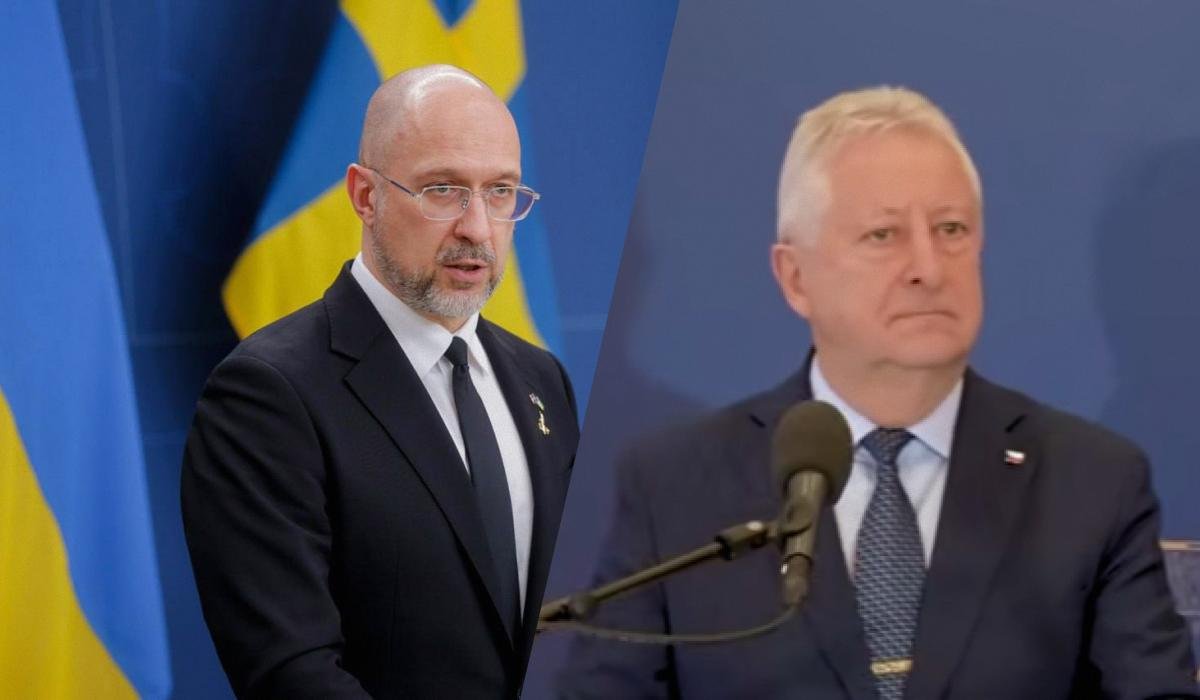
In response to the question of why the invitation was rejected, he stated that according to the agreement of the coalition parties, Czech Prime Minister Andrej Babiš is responsible for foreign policy. The publication Novinky notes that this news was reported by the Speaker of the Chamber of Deputies of the Czech Republic, the leader of the right-wing populist SPD party, Tomio Okamura, on Monday, December 22. Czech Minister of Defense Jaromír Zuna did not accept the invitation from his Ukrainian counterpart Denis Shmyhal to visit Ukraine. According to the coalition parties' agreement, Czech Prime Minister Andrej Babiš is responsible for foreign policy. Okamura said, "The Minister of Defense did not accept the invitation to visit Ukraine that he received."