

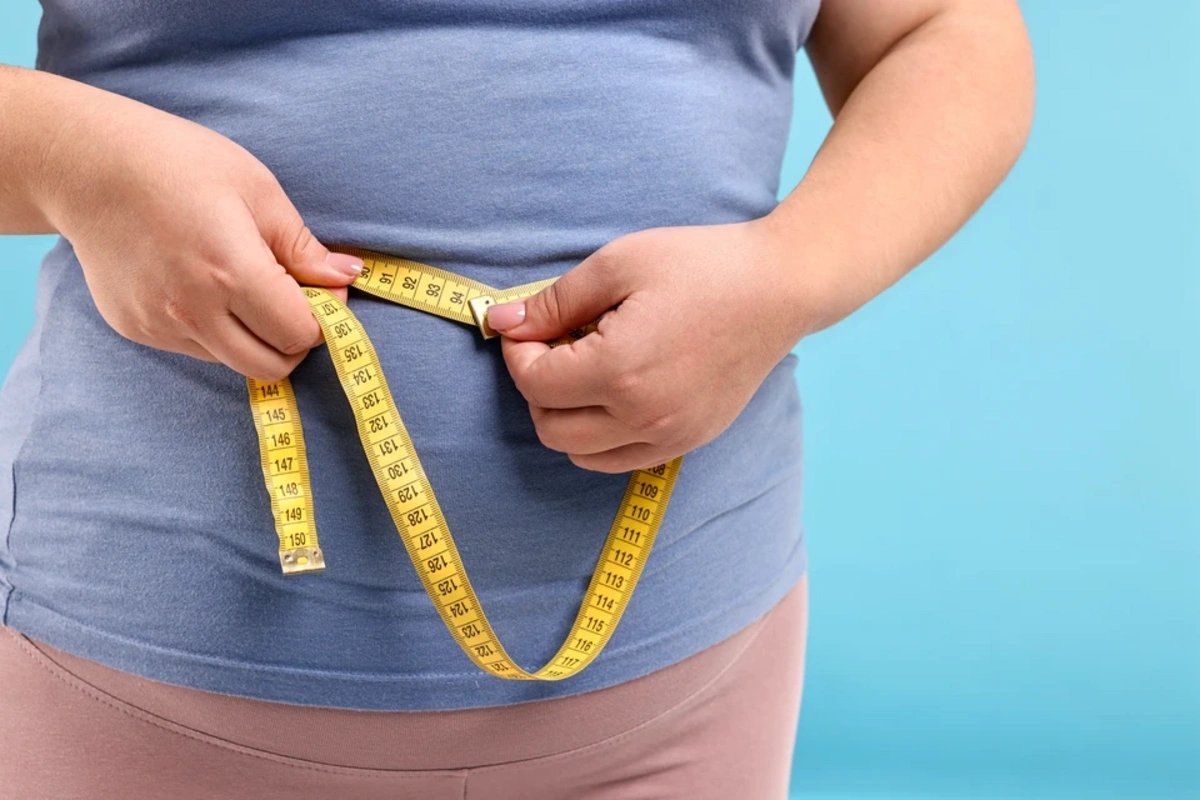
Danish scientists have discovered that adipose tissue is capable of restoring its healthy state after weight loss, and "obesity memory" does not remain for as long or in as severe a form as previously believed.
The results of the study have been published in the journal "Nature Metabolism."
According to the information, obesity is often accompanied by chronic inflammation and dysfunction of adipose tissue, which increases the risk of type 2 diabetes and cardiovascular diseases. Although weight loss reduces these risks, the question of whether adipose tissue returns to its normal state after weight loss remained open.
To answer this question, researchers analyzed the adipose tissue of patients suffering from severe obesity in three stages: before treatment, after an average of 5-10% weight loss, and two years after gastric bypass surgery (20-45% weight loss).
Two years after surgery, scientists discovered that the number of immune cells in adipose tissue had decreased to a level characteristic of people with normal weight. At the same time, the level of inflammation decreased, and insulin sensitivity, a crucial factor in preventing the risk of diabetes, normalized. The number of blood vessel cells increased, improving the tissue's supply of oxygen and nutrients, and gene activity in all cell types approached a "healthy" profile.
Although moderate weight loss did not completely eliminate inflammation in adipose tissue, researchers observed an increase in the number of precursors to healthier fat cells. This could explain why even a 5% loss of body weight increases insulin sensitivity throughout the body. (Oxu.az)