

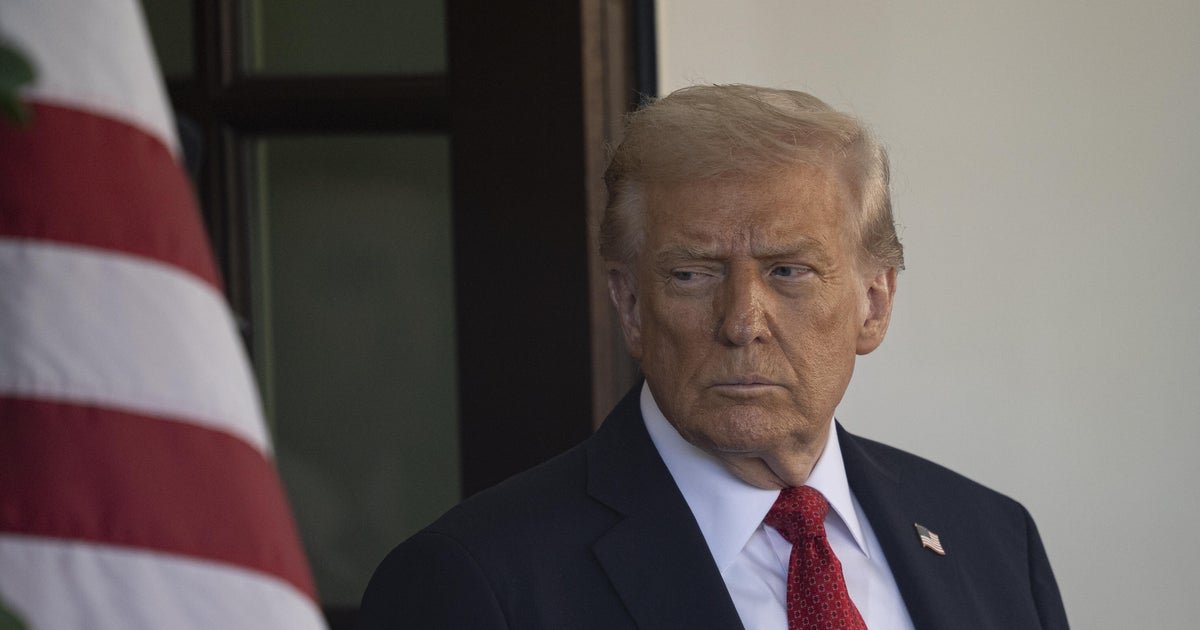
Former US President Donald Trump announced that he plans to visit China early next year. This statement comes at a time when relations between the two countries are strained, against the backdrop of the US-China trade war. Trump's move raises questions about the future of trade negotiations and diplomatic ties.
Redaksiya reports that Trump announced his plan to visit China during his meeting with Australian Prime Minister Anthony Albanese. He also stated that he plans to meet with Chinese President Xi Jinping at the Asia-Pacific Economic Cooperation summit to be held in South Korea later this month. The former president had also threatened to impose an additional 100% tariff on Chinese imports. This move is considered a significant escalation in the US-China trade war.
During his meeting with Albanese, Trump stated that if the US and Beijing cannot reach an agreement, a higher tariff rate would come into effect on November 1. However, he expressed optimism about the prospects for an agreement, noting that China has been very "respectful" and has been paying the US "large sums of money" in tariffs. Currently, tariffs on Chinese imports stand at 30%. Trump also stated that the US would impose export controls on "all critical software" starting next month.
According to federal statistics, China is the US's third-largest trading partner after Mexico and Canada. Last year, the US imported $438.9 billion worth of goods from China, while China purchased $143.5 billion worth of goods from the US. These figures highlight the significance of trade relations between the two countries. Trump's plan to visit China and his statements regarding trade policy provide important signals about how future bilateral relations will develop.