

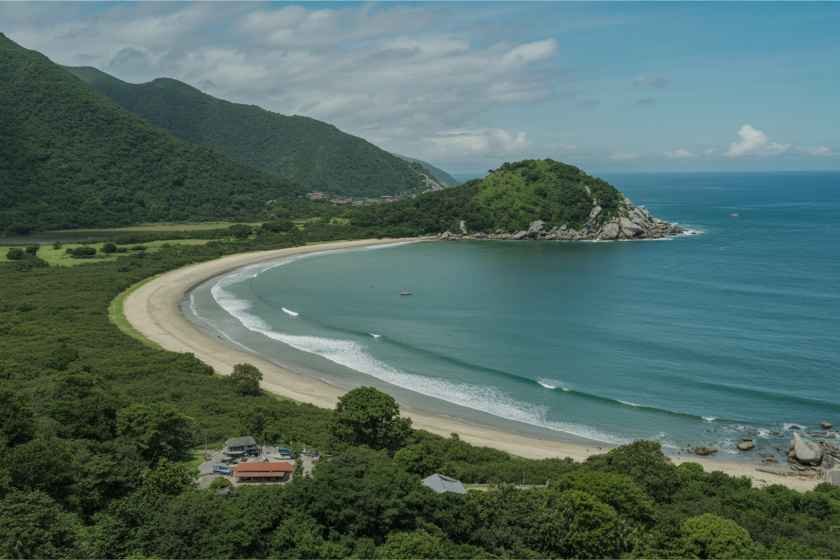
Tayrona Park, one of Colombia's most famous natural attractions, has been closed indefinitely starting in early February 2026 as part of the country's annual ecosystem restoration program. The park, located on the Caribbean coast, is a popular destination for both international and local visitors, attracting people with its stunning beaches, rich biodiversity, and historical sites. However, the ongoing closure has caused significant disruption to the Caribbean tourism sector, leading to substantial economic losses for local businesses and tour operators heavily reliant on the park's popularity.
According to Redaksiya, the closure, initially planned for a short period to allow for environmental recovery, has been extended significantly beyond its planned duration, causing concern among stakeholders. Regional authorities, tour operators, and local communities have expressed their worries about the sustained impact on the tourism industry, a key driver of the local economy. The closure of Tayrona National Natural Park also comes amid rumors of the presence of illegal armed groups in the area, further increasing anxiety among potential visitors.
Located near the city of Santa Marta in the Magdalena Department, Tayrona Park is one of Colombia's premier tourist destinations, drawing both nature enthusiasts and cultural aficionados. Visitors flock to the park for its pristine beaches, hiking trails, and opportunities to experience diverse wildlife and plant species. The park also hosts significant archaeological sites, attracting visitors interested in the rich history of the Tairona people, including the ancient Ciudad Perdida (Lost City).
The park is a vital part of Colombia's tourism industry, particularly in the Caribbean region, serving as a major driver for local tourism, especially for the towns of Taganga, Minca, and Santa Marta. However, the indefinite closure has led to a significant drop in the number of tourists visiting the area, creating a ripple effect throughout the entire region.
For local businesses, the closure of Tayrona Park has been a devastating blow. Tour operators, hotel owners, restaurant managers, and transportation companies that depend on a steady stream of visitors to the park are experiencing severe financial strain. Many in Santa Marta and surrounding towns rely on tourism as their primary source of income. The closure has not only impacted the number of visitors to the park but has also disrupted the broader tourism ecosystem in the region.
Small businesses such as souvenir shops, artisan markets, and local eateries that cater to tourists are facing difficulties as they experience a sharp decline in customers. According to local stakeholders, these businesses are seeing a 60-70% reduction in their revenue, forcing many to temporarily close or reduce their operating hours.
Officials from Colombia's National Natural Parks (PNN) have moved to clarify the reasons behind the indefinite closure, especially amid rumors concerning potential security threats. While some reports suggest the presence of illegal armed groups in the area may have contributed to the closure, PNN emphasized that the decision to close the park is solely part of its annual ecosystem restoration efforts and is not related to security.
The restoration program is designed to protect the park's natural resources, including coral reefs, mangroves, and local wildlife, which are threatened by heavy foot traffic and environmental degradation. Park management also stated that the closure is part of ongoing efforts to ensure the park's sustainability and that the restoration work will improve the long-term health of its ecosystems.
While PNN assures the public that security is not an issue, the uncertainty surrounding the duration of the closure leaves both tourists and businesses in limbo regarding when the park will reopen.
The economic impact of Tayrona Park's closure is not limited to the Caribbean region alone. As a popular stop for international travelers exploring Colombia's Caribbean coast, the park's closure also affects the wider tourism sector, including airlines, travel agencies, and hotels that cater to international visitors. Many travelers book multi-destination trips throughout Colombia, and the lack of access to one of the country's premier destinations has forced some to reconsider their plans.
The situation highlights the delicate balance between developing tourism and preserving the environment in Colombia's national parks. As the country strives to meet global tourism demands while protecting its rich natural heritage, the government must find ways to support local economies impacted by conservation measures like the closure of Tayrona Park.
Moving forward, Colombia should implement clearer communication strategies regarding the duration and timing of park closures for maintenance, while also ensuring that local businesses and tour operators are supported during periods of reduced visitor numbers. Efforts to promote sustainable tourism, such as enhancing eco-tourism initiatives and partnering with local communities, will play a crucial role in creating a more resilient tourism sector that can weather environmental closures.