


In February 2022, Russian forces occupied the Zaporizhzhia Nuclear Power Plant (NPP) in southeastern Ukraine. This facility, Europe's largest NPP, houses six nuclear reactors and has been under threat since the first days of the occupation. Although the plant has remained under Russian control since March 2022, Ukrainian technical staff have continued to operate the reactors without interruption. However, the extremely stressful and dangerous working conditions have been repeatedly emphasized by the International Atomic Energy Agency (IAEA). In August-September 2022, intense artillery shelling caused the plant to repeatedly lose power lines and disconnect from the general power grid. As early as August 2022, IAEA Director General Rafael Grossi informed the UN Security Council that "things are in a very serious and grave situation" and proposed the urgent establishment of a demilitarized zone around the plant. However, Russia rejected these calls and continued its military presence in the area.
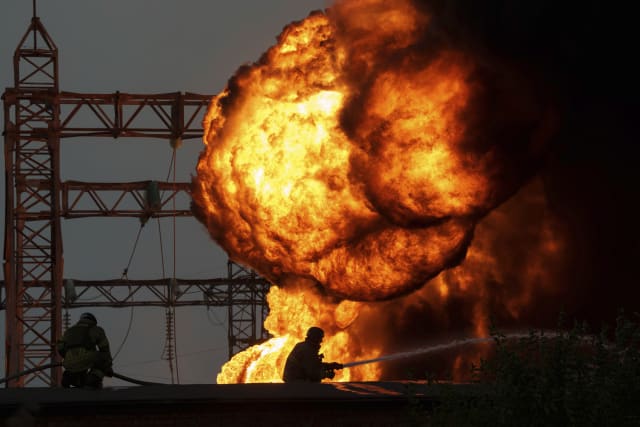
According to Redaksiya, the last operational reactor at the Zaporizhzhia NPP was shut down in September 2022 due to continuous shelling. On September 11, 2022, the last, sixth reactor was disconnected from the grid and completely shut down, marking the first time in the plant's history that it entered a completely non-operational mode. Although the reactors were put into "cold shutdown" mode, this does not mean they are completely safe. The plant still requires external electricity for the cooling systems to function – meaning that even if a reactor is shut down, the nuclear fuel needs constant cooling. The IAEA explains that even during cold shutdown, electric pumps must operate continuously to keep the reactor core cool, and a reliable external power supply is essential for this. Throughout 2022, all four of the plant's main high-voltage lines were damaged in fighting, and three backup lines were repeatedly cut. As a result, the Zaporizhzhia NPP repeatedly relied solely on diesel generators. These emergency generators reportedly have only a 10-day fuel reserve. Petro Kotin, head of Ukraine's "Energoatom," warned that if the plant loses all external power supply, the diesel generators will only protect the plant for 10 days, after which a direct nuclear catastrophe risk will arise; even if the generators fail, the reactor core could melt and radiation could leak within approximately 1.5 hours.
Due to the critical situation, the IAEA sent a team of inspectors to the plant in September 2022. That mission began regular monitoring in Zaporizhzhia, and IAEA representatives have been stationed there intermittently on a rotational basis ever since. The mission, led by Grossi, noted factors threatening the plant's safety (such as the deployment of military equipment in the area and the stressful working conditions for personnel) and resolutions were adopted demanding the withdrawal of Russian forces from the facility. Nevertheless, the Russian side maintains control of the plant despite IAEA demands and even announced in October 2022 that the Zaporizhzhia NPP had been declared Russian property.
The Last Month: Local Ceasefire, Repairs, and Restart Attempts
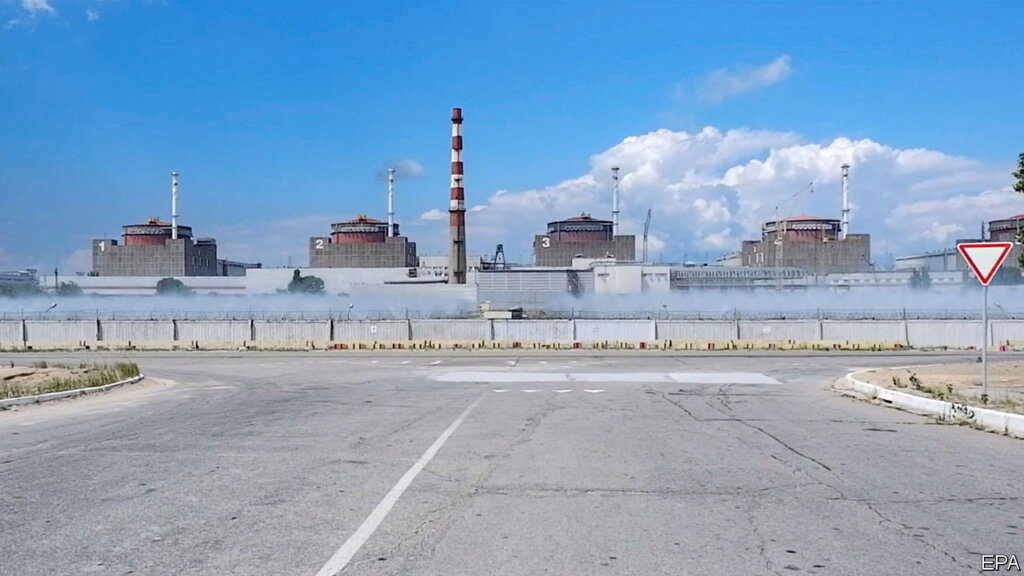
Significant events have occurred around the Zaporizhzhia NPP in the past month. The destruction of the Kakhovka dam in June 2023, allegedly caused by Russian forces, created an additional problem for the plant – the reservoir used for long-term cooling of the NPP reactors rapidly emptied. Fortunately, a large cooling pond adjacent to the plant exists, and its water levels were sufficient for several more months. However, IAEA Director General Grossi warned in April 2023 that "we are living on borrowed time in terms of nuclear safety at Zaporizhzhia NPP; if we do not take measures to protect the plant, sooner or later our luck will run out, and this will have severe consequences for human health and the environment." That summer, the Ukrainian side accused Russian troops of placing explosives on the plant's roofs. Although IAEA inspectors examined the roofs of the reactor buildings in August, they did not find any mines or explosives. Nevertheless, the military situation remained a source of risk for the plant: regular damage to power lines, a small and severely stressed plant staff, and ongoing shelling in the vicinity kept the Zaporizhzhia NPP constantly "on the brink of disaster."
Towards the end of 2025, the situation again reached a critical point. At the end of December 2025, fighting cut off the last backup power line supplying the plant, leaving the Zaporizhzhia NPP dependent on only one main (750 kV) line. This was one of the most dangerous situations for the NPP – if that last line were also damaged, reactor cooling would rely solely on diesel generators. Ukraine's Ministry of Energy warned that the frequent loss of external power supply due to Russia's continuous bombing and the degradation of safety systems, coupled with the plant operating on a single line, significantly increases the risk of disaster. In response, the IAEA acted immediately: in mid-January 2026, the Agency negotiated with Ukraine and Russia to achieve a local ceasefire for repair work in the plant area. As a result, Ukrainian grid specialists began restoring the damaged 330 kV backup line on January 2, 2026. The IAEA described this as "a crucial step in preventing a nuclear accident during wartime." Grossi noted that this was already the fourth local ceasefire achieved by the IAEA between the parties and "demonstrates the Agency's continued essential nuclear safety role."
Russia's attempts to restart the plant have also caused international concern in recent months. In December 2025, Russia's Federal Service for Environmental, Technological and Nuclear Supervision (Rostekhnadzor) announced it had issued an illegal "license" for the operation of one of the reactors in Zaporizhzhia. Russian officials claimed that "one power unit has been technically prepared for startup." The Ukrainian side vehemently condemned this statement: the Ministry of Energy stated that any attempt by Russia to restart the reactors at the Zaporizhzhia NPP is "provocative nuclear terrorism" and poses a risk of a real nuclear accident. The ministry emphasized that reactivating the reactors under conditions of the loss of the Kakhovka reservoir, frequent external power outages, damaged safety systems, and a shortage of qualified personnel is an extremely irresponsible step. Ukrainian President Volodymyr Zelensky also stated within the framework of peace talks that no agreement has yet been reached on the Zaporizhzhia NPP issue, but that the plant will not operate as long as it remains under Russian control. The international community, particularly the IAEA, supports calls for stricter sanctions against the Russian nuclear industry and the immediate return of the plant to Ukrainian control.
How Was a Potential Nuclear Catastrophe Averted?
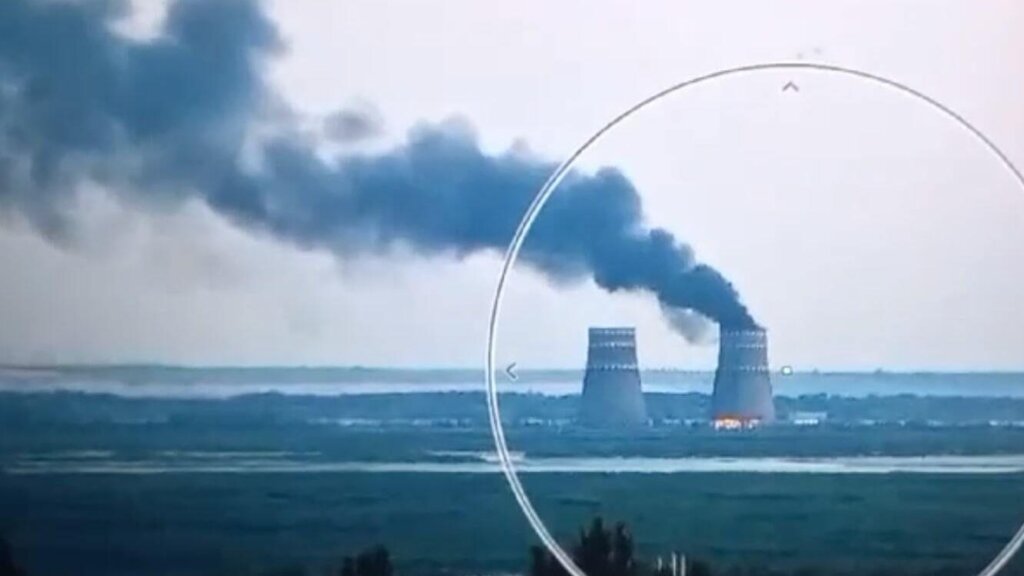
The events at the end of 2025 are an example of how the Zaporizhzhia NPP was "pulled back from the brink of disaster." As mentioned above, in early January, the plant was left with only one power line. If this line were to fail, only diesel generators would remain for cooling the reactors. The depletion of diesel fuel or the failure of the generators could directly lead to reactor meltdown (melting of nuclear fuel). Such a scenario is similar to the Fukushima disaster in 2011: there, an earthquake and tsunami caused a loss of power, the cooling systems failed, and three reactors melted down. Experts emphasize that even if the reactors at the Zaporizhzhia NPP are completely shut down, a tragedy cannot be prevented if the cooling water circulation stops. In other words, "the root of the problem is not a nuclear core explosion like in Chernobyl, but damage to the cooling system, which is required even after the reactor is shut down." For this reason, military operations near the plant have repeatedly put it in grave danger. For example, in August 2022, shelling cut off all external lines of the Zaporizhzhia NPP, leaving the plant in "complete darkness" for a short period, and the diesel generators automatically activated. The Ukrainian side at the time described this as "one step away from an emergency radiation event."
During the provocations at the end of 2025, the local ceasefire mediated by the IAEA and the subsequent restoration of the power line returned the plant to a stable (relatively safe) mode. IAEA inspectors observed the repair work up to the front line. Grossi stated that "crucial steps are being taken to prevent a nuclear accident in Zaporizhzhia through close cooperation with the parties." Nevertheless, the plant remains in a vulnerable state: as early as 2023, the IAEA noted that the Zaporizhzhia NPP relied on only one functional external power line and that the situation was "extremely fragile." While the restoration of the backup line in early 2026 slightly increased the safety margin, a comprehensive ceasefire and, ultimately, the withdrawal of military forces are needed for the plant's complete protection. The IAEA and the international community continue efforts to establish a broad safety zone around the Zaporizhzhia NPP in the next phase, but Russia has not yet agreed to this proposal.
If There Was a Leak at Zaporizhzhia NPP... – A Global Environmental and Humanitarian Threat
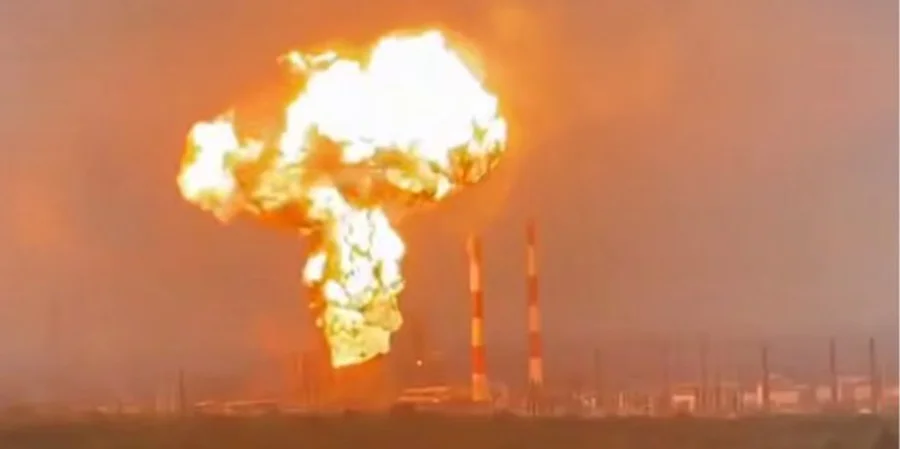
Experts warn that if a large-scale accident occurs at the Zaporizhzhia NPP, its effects will not be limited to Ukraine. A report released by the IAEA in September 2022 emphasized that "any serious escalation at this giant six-reactor plant could have severe radiological consequences for human health and the environment, both in Ukraine and beyond." The Zaporizhzhia NPP has six VVER-1000 type reactors, each with a capacity of approximately 1000 MW. The cores of these reactors and the nearby spent fuel pools contain quantities of radioactive material that far exceed those of the Chernobyl disaster.
It is important to note that the design of the reactors at Zaporizhzhia differs from the Chernobyl RBMK reactor that exploded in 1986 and is enclosed by a more robust containment structure (a thick steel-concrete container). Therefore, experts state that while the probability of the Zaporizhzhia reactors exploding directly into the air like Chernobyl is low, severe radioactive leakage is inevitable if the cooling system is damaged. In other words, even without an explosion, a meltdown of the reactor core or a fire in the spent fuel pool could release large amounts of radioactive isotopes into the atmosphere. According to the preliminary results of a study presented in 2023 by the international organization "Physicians for Nuclear War Prevention," if 20% of the nuclear fuel in one reactor at Zaporizhzhia were released into the environment (approximately the amount from Chernobyl), a large part of eastern Ukraine would become uninhabitable for a long time. Furthermore, the transport of radioactive masses in the atmosphere could necessitate restrictions on agriculture over a wide area, from Western Russia to Eastern Europe and the Mediterranean coast. All of these scenarios, of course, depend on specific weather conditions and the amount of isotopes released, but the common denominator is that an accident would be not just a local, but a regional catastrophe.
Ukrainian officials have repeatedly emphasized the scale of this threat. As early as March 4, 2022 – when the first shelling occurred at the plant – Ukraine's Foreign Minister Dmytro Kuleba warned that a fire and explosion at the Zaporizhzhia NPP could be "ten times worse than Chernobyl." Similarly, Ukrainian President Zelensky appealed to the international community that night, saying: "If there is an explosion there, it means the end for everyone. The end for Europe... All of Europe will have to be evacuated." While these statements were intended to highlight the seriousness of the risk, scientific assessments are not entirely pessimistic: as the Zaporizhzhia reactors are within containment, the probability of an explosion is low, and the container can reduce the amount of radioactive leakage to a certain extent. However, in the event of continuous attacks on the plant, the most frightening scenario would be an accident in several reactors simultaneously, or an attack on the storage facilities for spent fuel, which has accumulated over 30 years of operation, along with the reactors. In such a case, millions, perhaps even billions, of people across Ukraine, Russia, Belarus, and Europe as a whole would be endangered – radioactive fallout could enter the food chain and affect health for decades.
The scale can be understood by looking at the consequences of the Chernobyl disaster. The explosion at the Chernobyl NPP in the Ukrainian SSR on April 26, 1986, went down in history as the worst nuclear accident. During that event, between 2 and 50 people (mainly plant workers and firefighters) died immediately, and dozens of people suffered from acute radiation sickness. In the following years, thousands of people (according to some estimates, around 4,000) died from cancer and other radiation-related illnesses. Although only 5% of the radionuclides released from Chernobyl's 4th reactor escaped into the atmosphere, 200,000 sq. km of land were contaminated in the USSR (mainly present-day Belarus, Ukraine, Russia), and over 200,000 people were forced to leave their homes. The event did not bypass Azerbaijan either. Those who lived through the period say it completely destroyed agriculture. According to locals, the "April cucumbers" planted in the yards in Lankaran withered overnight, and no plants survived by morning. Approximately 36% of the radioactive fallout from Chernobyl fell on Belarus, Ukraine, and Russia, 53% on other European countries, and even 11% reached other continents. Despite this, the Chernobyl reactors had design flaws (RBMK graphite-moderated, prone to explosion) and lacked any full containment. The reactors at Zaporizhzhia, however, are enclosed by a thick steel-concrete containment. This means that even in the worst-case scenario, instead of an open flame fire like in Chernobyl, a disaster scenario more akin to Fukushima (potentially accompanied by hydrogen explosions, but mainly in the form of "meltdown and collapse") is expected. Experts say that if a meltdown occurs at the Zaporizhzhia NPP, some of the hazardous materials may remain within the containment, but long-lived radionuclides like cesium-137 will still spread over a wide area, poisoning thousands of square kilometers of land and water bodies. Since these substances have a half-life of 30 years, life in the contaminated zones will be restricted for decades. Consequently, millions of people in Ukraine and neighboring countries could be forced to leave their lands. In such an accident, the number of direct radiation deaths is estimated to be in the tens (or hundreds), while those suffering from long-term effects (cancer, genetic diseases, etc.) could be in the tens of thousands. In other words, every incident averted at the Zaporizhzhia NPP is essentially stopping a nightmare that could engulf the European continent at the last moment.
Zaporizhzhia vs. Chernobyl: How Much More Dangerous Would It Be?
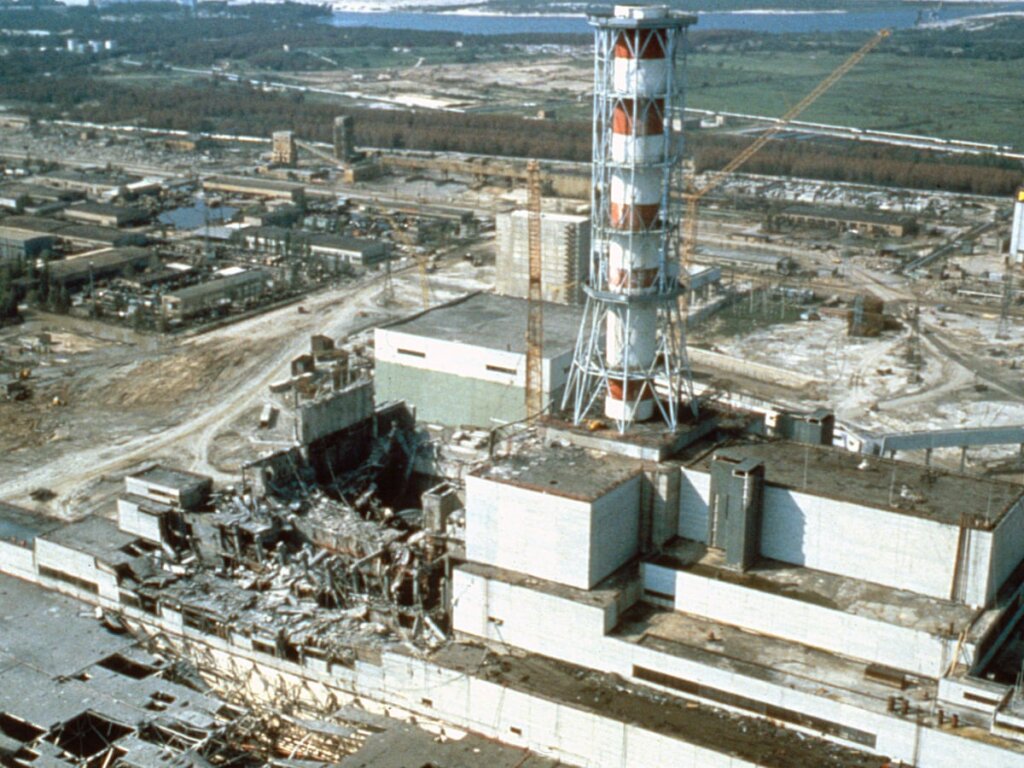
During the Chernobyl accident, one reactor exploded, while Zaporizhzhia has 6 reactors. This factor increases the potential for disaster on paper. Chernobyl released approximately 85 petabecquerels (PBq) of cesium-137 into the environment as a result of a full-scale meltdown and graphite fire. Modeling by independent experts on Zaporizhzhia indicates that if one reactor with a full core meltdown releases 50% of its inventory, approximately 157 PBq of cesium-137 could be released – twice as much as Chernobyl. Furthermore, in addition to the reactors, the plant stores a large amount of spent fuel accumulated over decades. In the event of a fire in the fuel in one reactor pool, models estimate a release of 590 PBq of cesium-137 (about 7 times that of Chernobyl). Of course, these are the most extreme scenarios. Since each reactor is enclosed by a thick containment, the actual leakage amount could be less. However, if accidents occur in several reactors simultaneously, the overall scale of release could significantly exceed that of Chernobyl. For example, Kuleba's "10 times" statement could become a reality and even be surpassed. Additionally, Zaporizhzhia's geographical location – close to the center of Europe – further increases the risks. While Chernobyl was in northern Ukraine, most of the winds carried radionuclides to Belarus and Russia. Zaporizhzhia, however, is in the southern region; in the event of an accident there, radioactive clouds could reach the Balkans, Turkey, and the Caucasus (depending on wind direction). Such widespread contamination would be a major blow not only to health but also to agriculture, food security, and the economy – but it is important to note that in the event of such a disaster, discussing politics and economics would become meaningless, as a humanitarian catastrophe would take precedence.
The leadership of the IAEA and nuclear experts are constantly striving to prevent such a disaster from occurring in Zaporizhzhia. Grossi, who visited the plant in September 2022, specifically noted that the Ukrainian technical personnel there were "working under duress, constant stress, to prevent a Chernobyl-style disaster from recurring." Thanks to the professionalism of that personnel and international pressure, the worst-case scenarios have been avoided so far. Nevertheless, "we are sleepwalking towards a major disaster – even a nuclear war," warned World Health Organization Director-General Tedros Adhanom in 2022. This metaphorical warning is a message to the world about the ongoing danger around the Zaporizhzhia NPP: as long as heavily armed troops face off against a six-reactor plant, the risk of nuclear disaster cannot be reduced to zero.
Why Isn't the Zaporizhzhia NPP Completely Shut Down and Decommissioned?
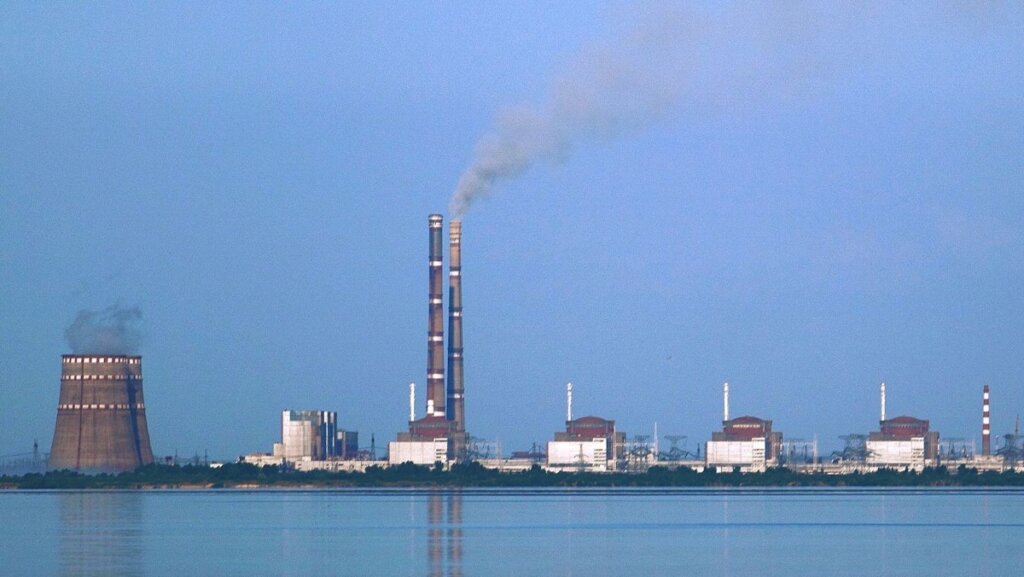
One logical question that arises for readers is: if the plant is so dangerous, why don't experts completely shut it down and put it into "conservation mode"? In fact, all reactors at the Zaporizhzhia NPP have been non-operational since 2022; they are all in cold shutdown mode. This means electricity generation has stopped, and no chain reaction is occurring in the reactor cores. However, the risk at a nuclear power plant does not end there. Even after a reactor is shut down, its fuel rods continue to emit high heat (as a result of radioactive decay), and that fuel requires continuous cooling to prevent melting. In the words of an expert, "shutting down a reactor does not make it completely safe; while the probability of a destructive explosion like in Chernobyl is reduced, a tragedy like Fukushima can occur if the cooling system is damaged." Although the reactors at Zaporizhzhia are currently shut down, their spent fuel pools and nearby dry fuel storage containers hold large amounts of radioactive material. These pools and storage facilities also need constant cooling. If cooling stops, the fuel there could overheat and become damaged, releasing radiation into the atmosphere.
Furthermore, "conserving" a plant normally requires years of preparation – loading reactor fuel into special safe containers and removing it from the site, ensuring radiation safety, etc. However, such a large-scale operation is impossible under wartime conditions. Ukraine, rightly, does not want to allow Russia to operate the plant. Russia, in turn, uses the plant as a military-strategic lever, deploying its personnel and equipment there. For example, in the autumn of 2022, Russian President Vladimir Putin signed a decree on transferring the Zaporizhzhia NPP to Russian ownership and announced that the plant's management had been entrusted to the state corporation "Rosatom." Although this step is considered a violation of international law, Russia effectively holds the plant as a "human shield." Ukrainian officials state that Russia is not interested in completely shutting down the Zaporizhzhia NPP because, on the one hand, it seeks to use it as leverage against Ukraine for energy pressure, and on the other hand, it constantly threatens the world community with nuclear disaster.
IAEA reports also highlight that personnel at the Zaporizhzhia NPP are working under severe psychological pressure, and Russian soldiers interfere with normal operations by demanding "daily secret reports" from Ukrainian engineers. Some personnel have left their posts, leaving only about 900 people instead of the normal staff of 1,200, and fire safety teams are operating with half their required personnel. Under these conditions, carrying out any technical operation at the plant (such as completely emptying the reactors of fuel) is extremely difficult and risky. Moreover, the Russian side will not permit it. The Ukrainian government has also repeatedly stated that the plant can only be transitioned to normal operation (or conservation mode) after it is completely liberated from Russian occupation.
In conclusion, even if the reactors at the Zaporizhzhia NPP are shut down but kept in an "inactive" state, they cannot be considered completely safe. The only solution is to create a reliable safety zone around the plant until the war ends, protect it from military operations, and ensure a constant power supply. The IAEA and the international community are working in this direction. Local ceasefires and repair efforts achieved in the recent past have shown that cooperation between the parties to prevent a nuclear disaster, even if minimal, is possible. However, these are temporary measures – ensuring the plant's complete safety is only possible with the restoration of peace in the region and the return of the facility to the control of authorized personnel. What is happening around the Zaporizhzhia NPP is a stark reminder of the heavy and unacceptable risks that war creates when humanity uses nuclear technology for peaceful purposes.
Sources: Reuters, BBC, ABC News, CBS News, The Jerusalem Post, Ukrainska Pravda, IAEA reports, IPPNW, etc. Prepared based on information from foreign sources.
Prepared by: Redaksiya, Farid Alizade