

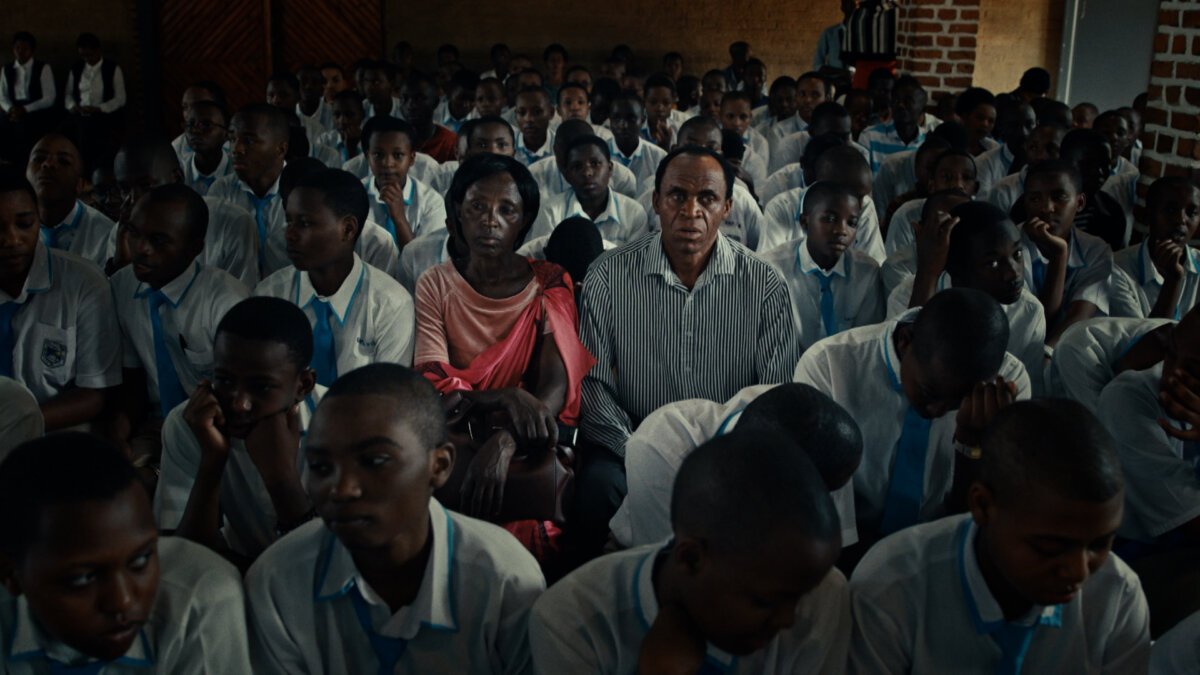
The recovery and rebuilding of trust in Rwanda after the genocide that took place in the country continue to be a long and arduous process. This event follows the story of Karenzi, a former perpetrator who was allowed to return to his village through Gacaca courts, Rwanda's traditional community courts.
Redaksiya reports that integration within this system depended not on serving long prison sentences, but on openly confessing crimes, accepting the truth, and seeking forgiveness from survivors. Karenzi's path confronts him with the weight of his actions and forces him into direct contact with those who carry the memory of what he did.
As Karenzi and Murakatete begin to speak to each other, the episode demonstrates how speaking the truth, accountability, and being willing to listen creates a space for mutual healing in the spirit of "Mvura Nkuvure" (I heal you, you heal me). Through their joint efforts, the film explores how Rwanda's reconciliation process is shaped and developed by people who dare to confront each other after unimaginable loss.
In 1994, Rwanda was shaken by the systematic genocide organized by Hutu leaders against the Tutsi population – violence based on ethnic division and political manipulation designed to tear the country apart for decades. In 100 days, approximately one million people lost their lives, destroying communities and turning neighbors into enemies. In post-genocide Rwanda, fragile encounters show survivors and perpetrators confronting the past to reopen paths to coexistence.