

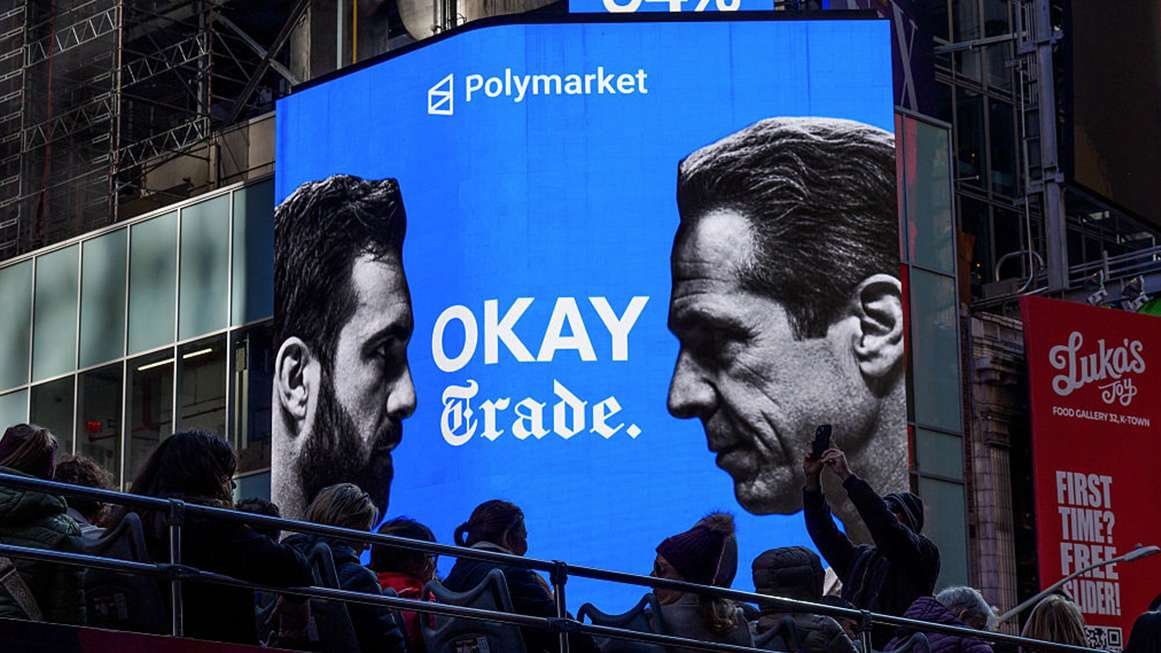
Polymarket, an online betting platform, has resumed operations in the United States. This platform allows users to place bets on future events, enabling predictions about happenings in various fields, including politics and economics. While Polymarket's relaunch has been welcomed by many, it has also drawn criticism from some.
According to Redaksiya, Polymarket was previously shut down in the US by the Commodity Futures Trading Commission (CFTC), a regulatory body. However, approximately four years later, after adapting to the CFTC, it has relaunched in beta mode for US residents. The reopening of this platform creates new opportunities for individuals who wish to place bets on future events.
Polymarket was founded in June 2020 by Shane Coeplan, who was 22 years old at the time. The platform operates as "event markets" using blockchain-powered smart contracts. In these markets, users can bet on whether a specific event will occur. According to Coeplan, Polymarket "leverages the power of free markets to demystify the real-world events that matter most to you." This means aggregating and disseminating widespread knowledge using market prices, transforming individual probabilities into public information about the likelihood of future events. By the 2020 presidential election, Polymarket's monthly trading volume had reached $25.9 million. This attracted government attention, and the CFTC launched an investigation in October 2021. By January 2022, Polymarket agreed to the CFTC's charges, was fined $1.4 million, and had to prohibit US residents from using the platform. During Polymarket's approximately three-year hiatus in the US, it became the world's largest prediction market, with over $3 billion in monthly trades by October 2025. In that same month, Intercontinental Exchange announced plans to invest up to $2 billion in Polymarket after acquiring the company's contract market and clearinghouse, which had registered with the CFTC in September.