

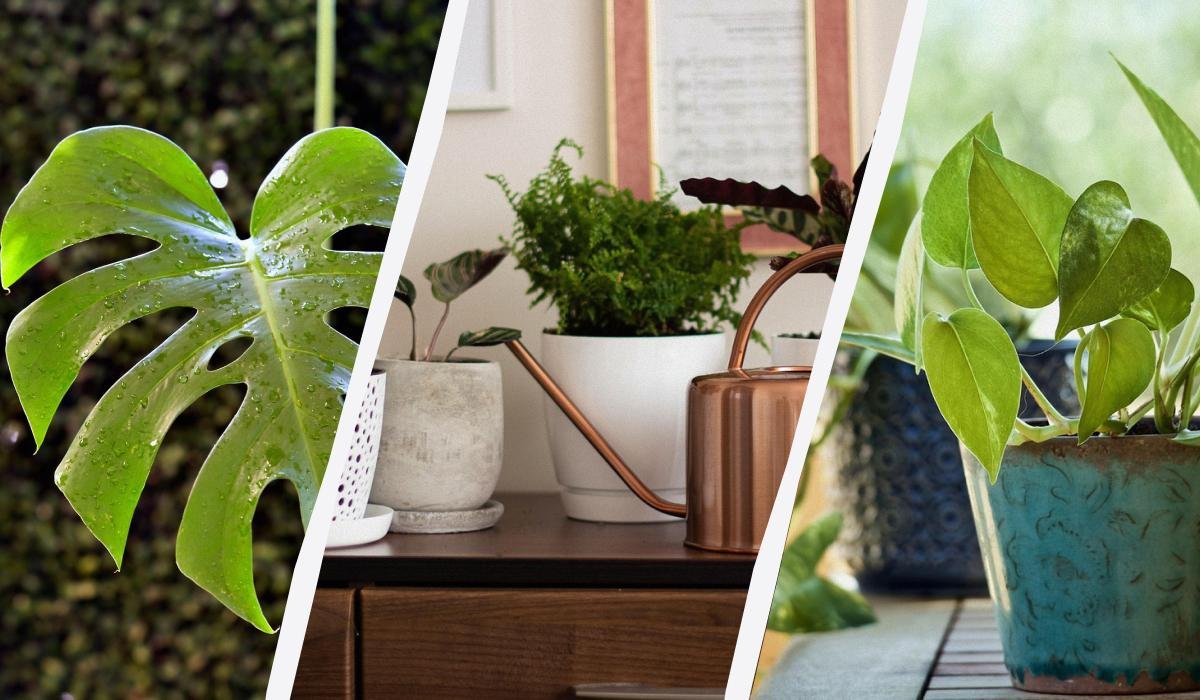
The issue of lighting for indoor plants is relevant during the winter months. In conditions of insufficient natural light, grow lights become indispensable for plant development. This article provides information on the benefits of grow lights for indoor plants and their proper application.
Redaksiya reports that plants need red, far-red, and blue spectra for normal development. The article notes that a full spectrum, closest to sunlight, is best. Factors such as intensity, distance to the lamp, and duration of lighting should also be considered when illuminating plants. It is important to pay attention to the conditions in the plant's natural environment.
Experts state that plants themselves will indicate whether the lighting is suitable for them. Pale leaves, elongated shoots, and stunted growth are signs that the conditions need to be changed. With proper adjustment, grow lights allow indoor plants to maintain their health and decorative qualities year-round, even in the complete absence of sunlight.
Among the plants that develop well under grow lights, pothos and philodendrons are particularly noteworthy. These plants come from tropical forests and prefer moderately diffused light. Calathea and Maranta also prefer stable, not overly bright light and react poorly to excessive amounts of it.
Zamioculcas and Sansevieria are considered among the most resilient plants. A few hours of weak or moderate light per day is sufficient for them. Monstera develops better in bright, but indirect light, which stimulates the development of large leaves.
Hoya often bloom more actively under grow lights than by a window, while anthuriums respond well to stable, bright diffused light at the correct distance. Syngoniums form larger and more saturated leaves under artificial lighting.
The only exception is echeverias, which require very bright, intense light for 10-14 hours a day. Otherwise, they stretch and lose their color.
Even without sunlight, many popular indoor plants can develop successfully under grow lights.