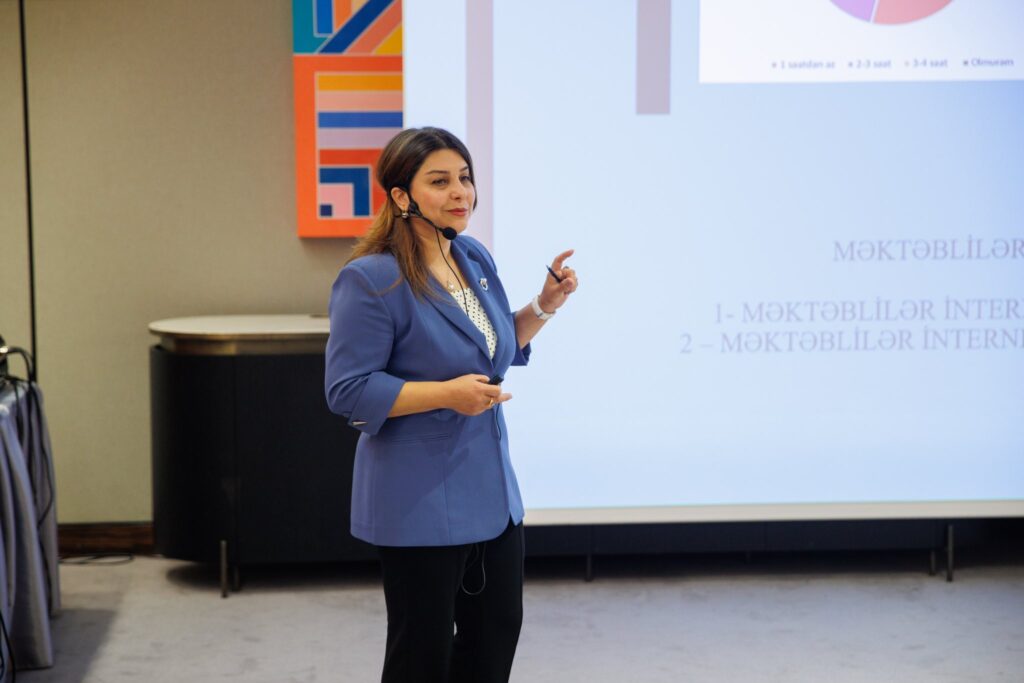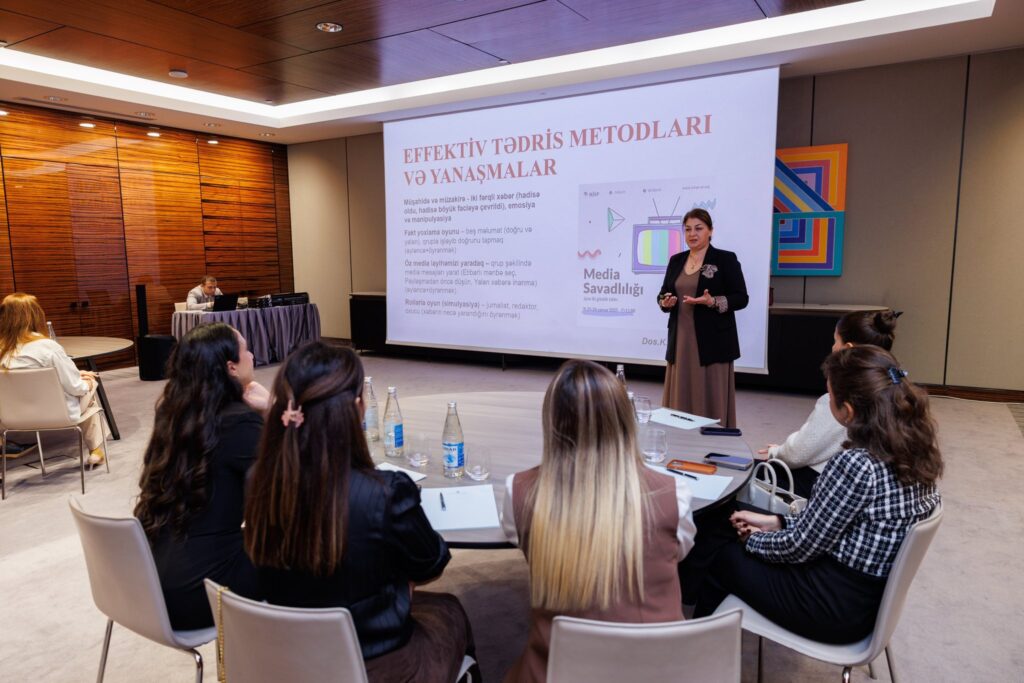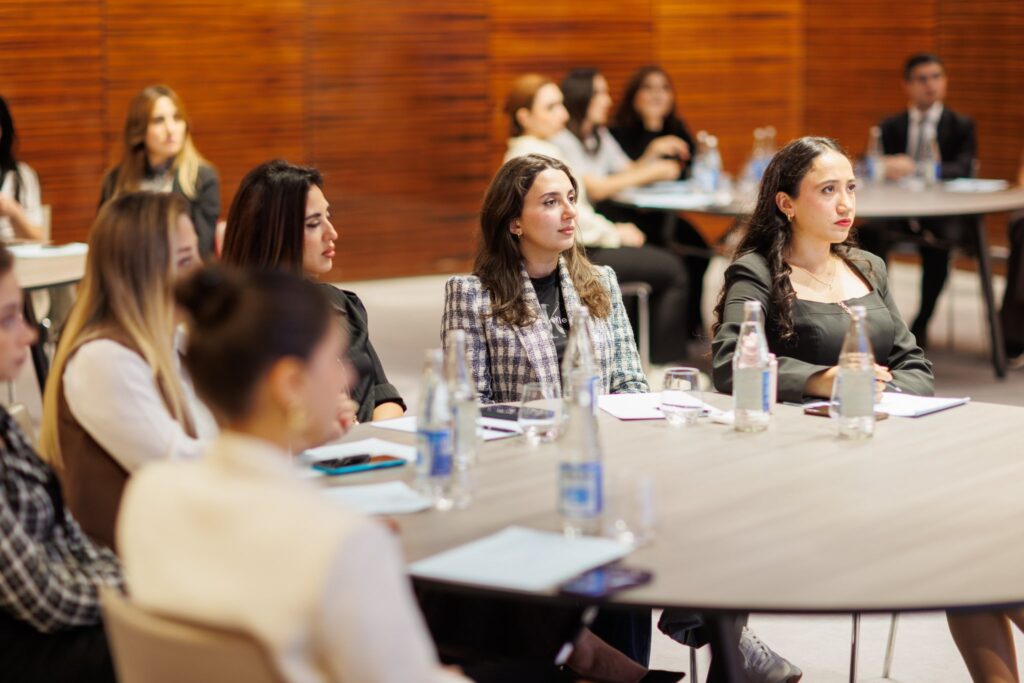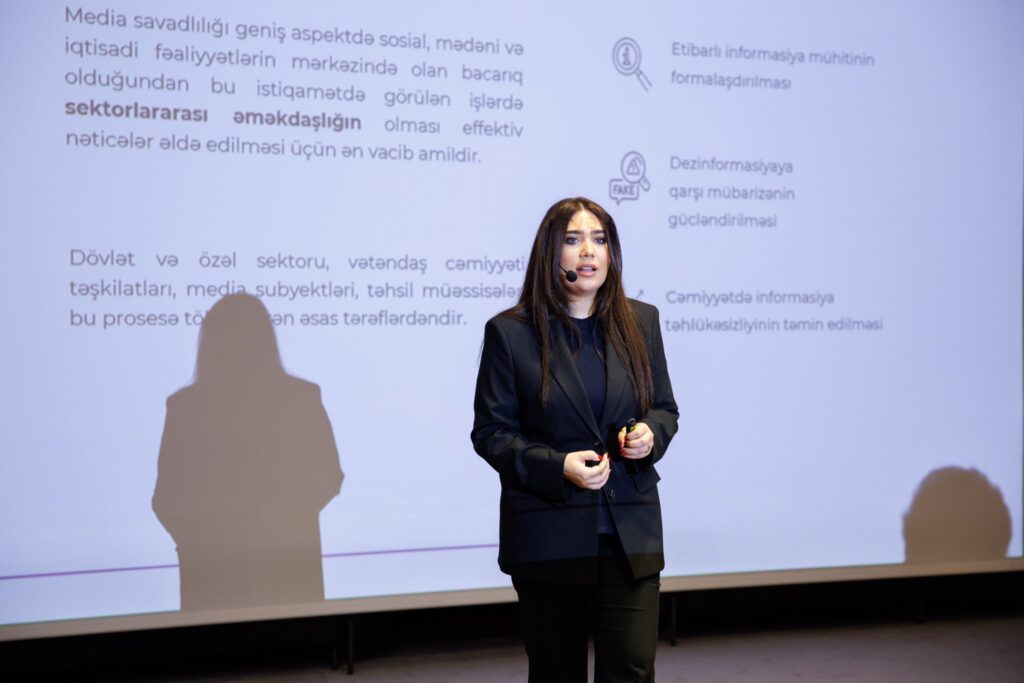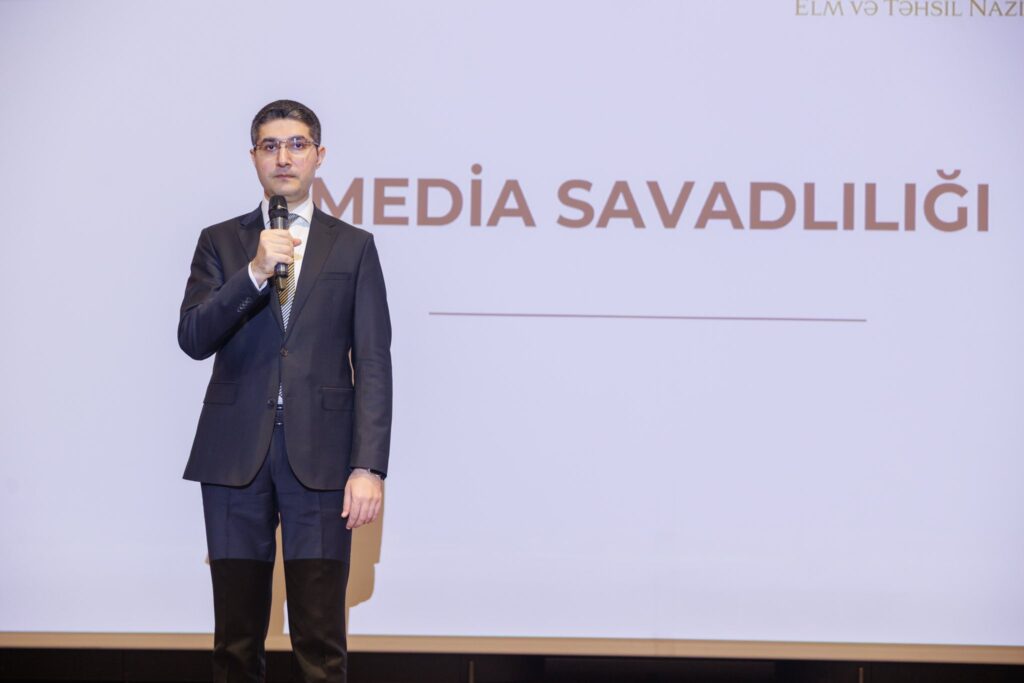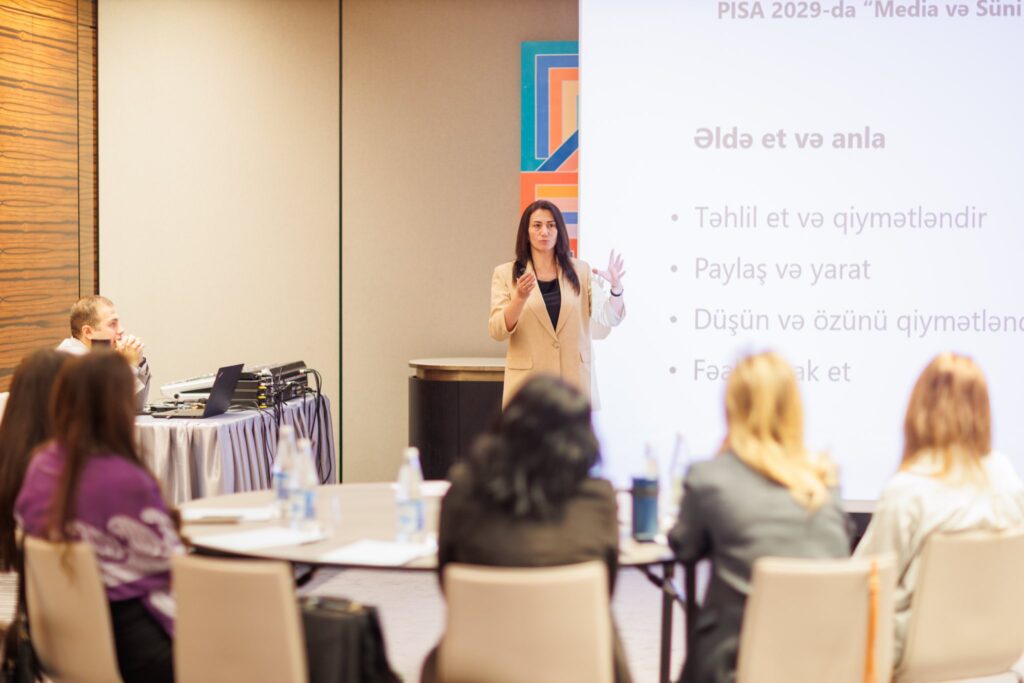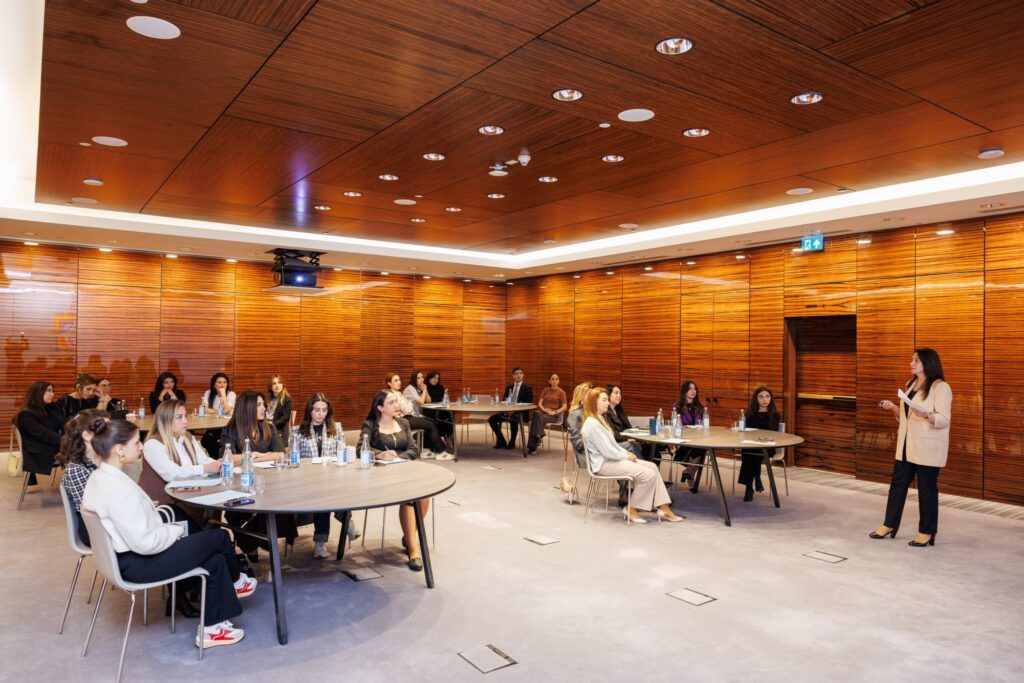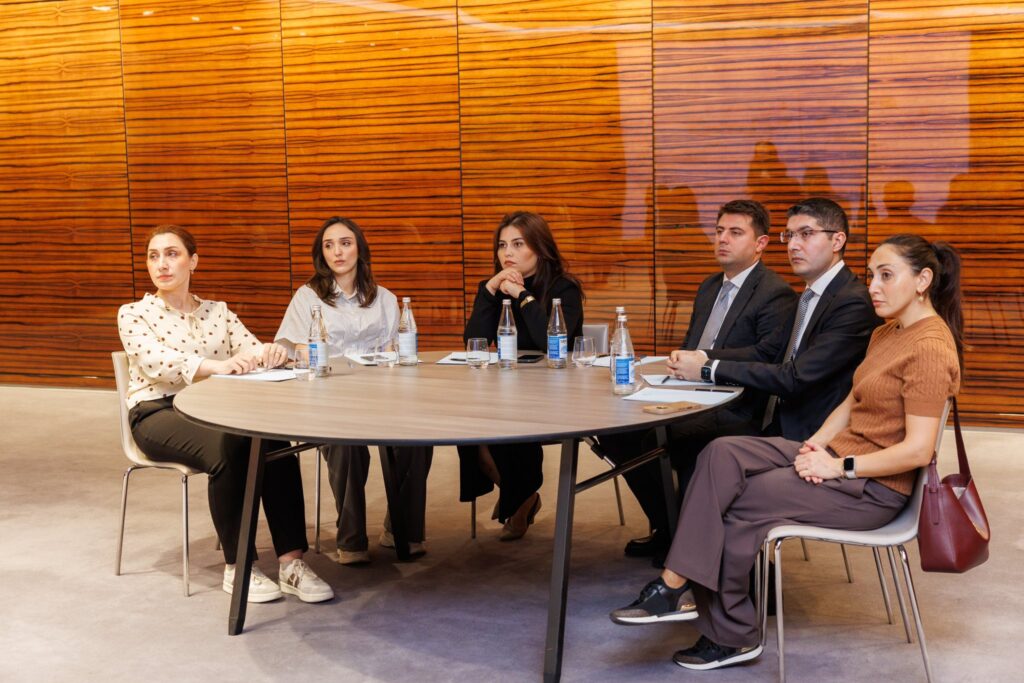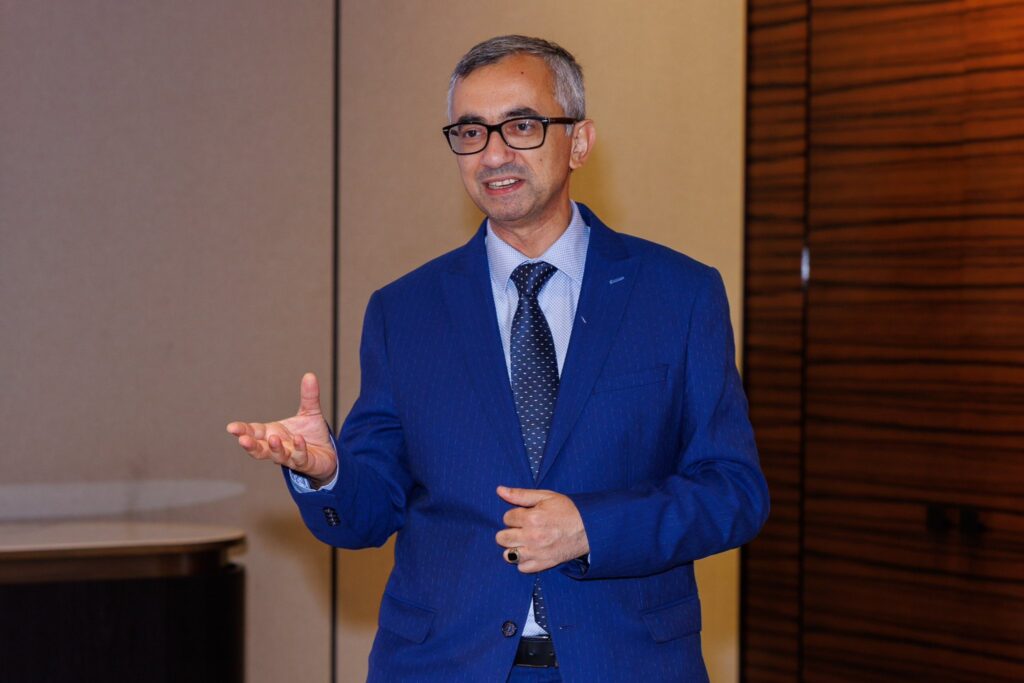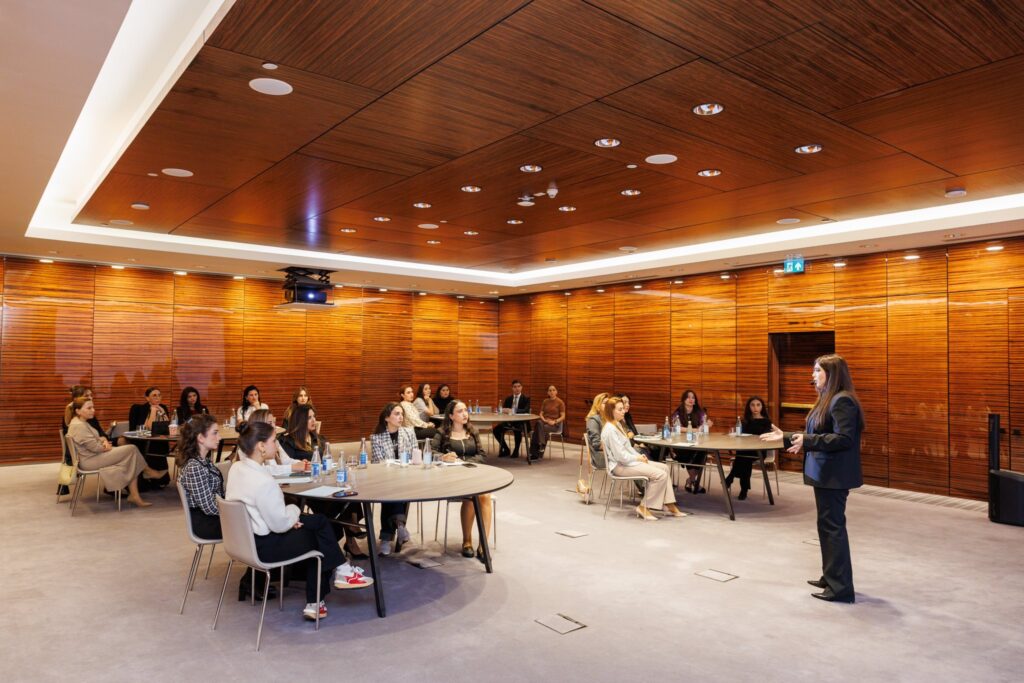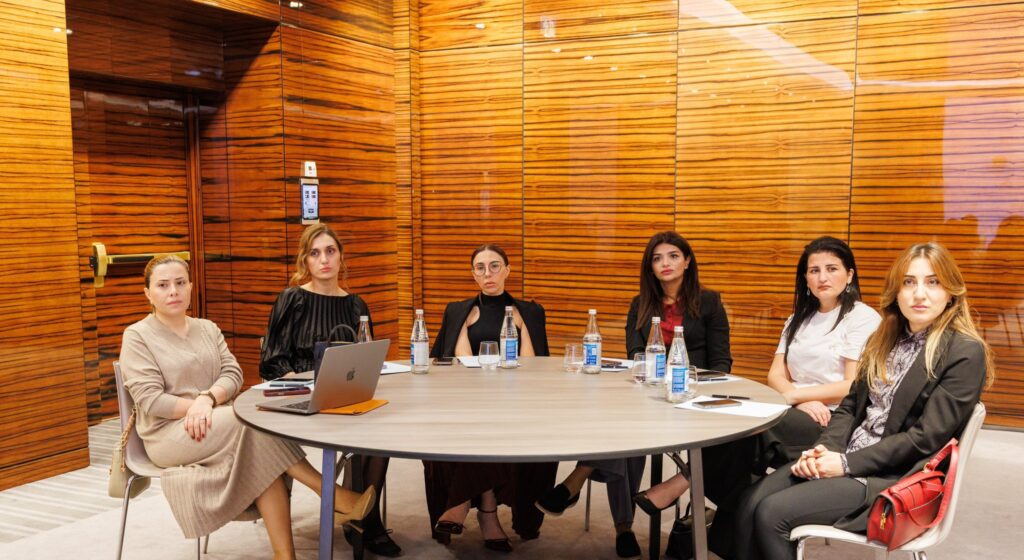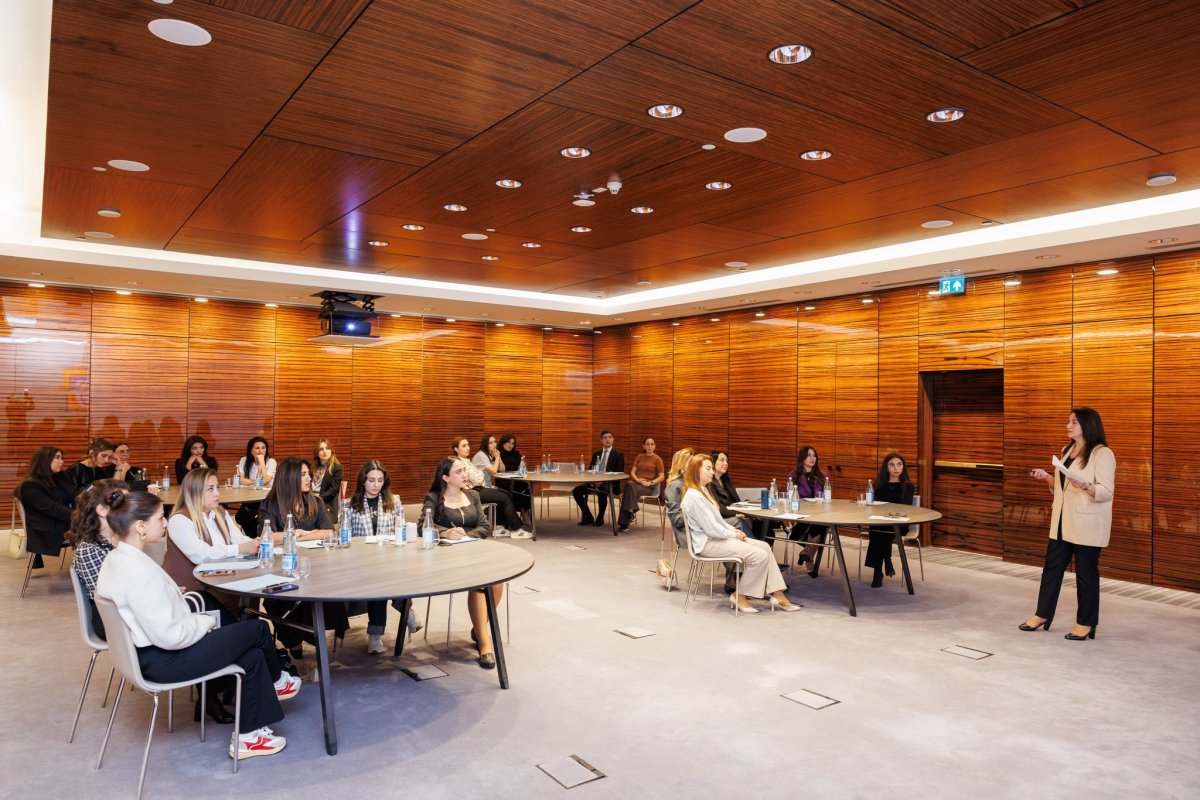
Within the framework of preparations for the 'Media Literacy' Week, which is planned to be organized again this year, a TOT seminar for teachers was held with the joint organization of the Media Development Agency and the Ministry of Science and Education, with the aim of covering media literacy in general education.
Laman Isgandarova, Director of the Media Support Projects, Strategic Planning, and Information Technologies Department of the Media Development Agency, stated in her opening speech that with the aim of increasing media literacy, strengthening the fight against disinformation, enhancing the effectiveness of work carried out in the relevant field, and expanding its scope, the Agency has been implementing continuous and coordinated measures since 2022.
Speaking on the topic 'Media Literacy in Education: International Experience and Local Application Perspectives,' Nariman Gahramanli, Deputy Head of the Preschool and General Education Department of the Ministry of Science and Education, and Turan Zakariyayeva, Head of the Language Subjects Programs Department of the Education Institute of the Republic of Azerbaijan, noted that in the modern era, the abundance of information creates a number of serious risks for individuals consuming this information. Considering that adolescents and schoolchildren are a sensitive audience, increasing media literacy is of particular importance for developing their ability to distinguish between true and false information, as well as for them to become responsible and competent media consumers and participants.
Khatira Huseynova, Head of the New Media and Communication Theory Department at Baku State University, Doctor of Philosophy in Philology, and Associate Professor, speaking on the topic 'Methods for Identifying Fake Information, How to Find a Reliable Source?', discussed the detection of manipulative content in the information environment, verification of source reliability, and evaluation of news accuracy.
Konul Niftaliyeva, Associate Professor at the New Media and Communication Theory Department of Baku State University, delivered a presentation on the topic 'Teaching Media Literacy: Methodology and Effective Approaches,' emphasizing the importance of modernizing pedagogical approaches and implementing lesson models aimed at developing students' analytical thinking and ability to correctly evaluate information.
During the session organized on the topic 'Digital Footprints in Media: Producer and Consumer Behavior,' Fuad Huseynaliyev, Director of 'Report' Information Agency, discussed the essence of the 'digital footprint' concept and its importance as one of the key components of media literacy. It was highlighted that today, in the media ecosystem, every user acts not only as an information consumer but also as an information producer, which in itself further brings the concept of digital responsibility to the forefront.
Tiffany J. Bell, an international communication specialist who has worked in the USA, China, and various other countries, with over 10 years of academic and professional experience, and currently serving as the Director of the Master's program and Associate Professor at Valparaiso University in the USA, spoke on the topic 'Detecting False Narratives and Understanding Messages in Media'. She discussed the detection of disinformation and manipulative content, ways to be a proper information consumer in the digital environment, as well as the mechanisms of media messages' influence on public opinion formation.
Narmin Osmanli, an expert psychologist and psychotherapist at the Baku Psychology Center, spoke about the psychological effects of social media on adolescents and youth, and practical psychological methods related to effective media literacy education. She highlighted the importance of considering psychological factors in forming correct behavioral models in the digital environment, increasing resilience against the effects of information, and integrating psychological approaches into the educational process.
At the end, certificates were presented to the seminar participants.