

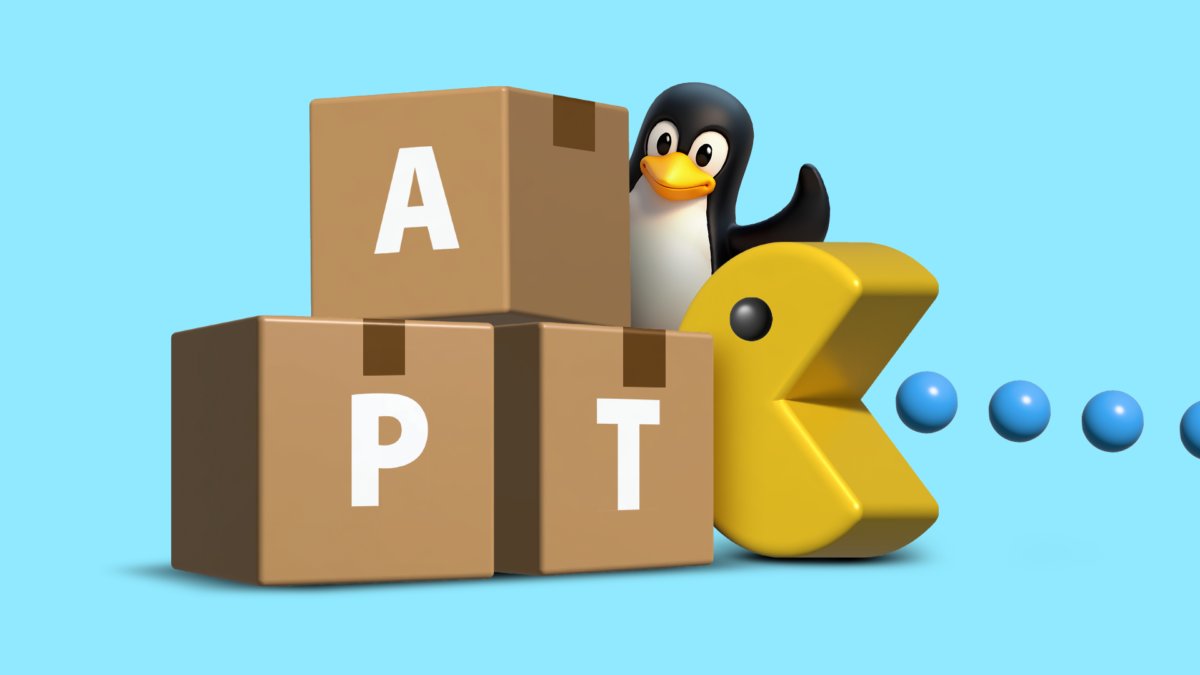
In the world of Linux operating systems, one of the most important factors for users is system management and software installation. Package managers play a key role in this process. Package managers are one of the main features that differentiate Linux distributions from each other and allow users to easily download, update, and remove programs.
Redaksiya reports that Advanced Package Tool (APT) and Pacman are two of the most widely used package managers in the Linux ecosystem. These managers offer users various functionalities, and their selection depends on the user's experience and needs. Since choosing a package manager is a frequent issue when using an operating system, it is important to pay attention to this choice.
APT is used in distributions like Debian and its derivatives, such as Ubuntu. APT provides users with access to a vast software repository and is known for its ease of use. This package manager can be controlled via the terminal or through graphical interface programs. Among APT's main commands are `apt install` for downloading programs, `apt update` and `apt upgrade` for updating, and `apt remove` for removing them. APT is an ideal choice for beginners due to its ease of use and extensive software support. Pacman, on the other hand, is a package manager used in Arch Linux and its derivatives. Pacman stands out for its speed and efficiency, offering users access to the latest software versions. This package manager is controlled via the terminal and is intended for more experienced users. Among Pacman's main commands are `pacman -S` for downloading programs, `pacman -Syu` for updating, and `pacman -R` for removing them. Pacman offers more control over system management and allows users to fine-tune their systems.
Both package managers have their advantages and disadvantages. APT is more suitable for beginners due to its ease of use and extensive software support. Pacman, on the other hand, is a better choice for experienced users due to its speed, efficiency, and the greater control it offers. The choice can vary depending on the user's experience, needs, and desires regarding system management. Both package managers are powerful tools for managing software in the Linux ecosystem and allow users to customize their systems according to their preferences.