

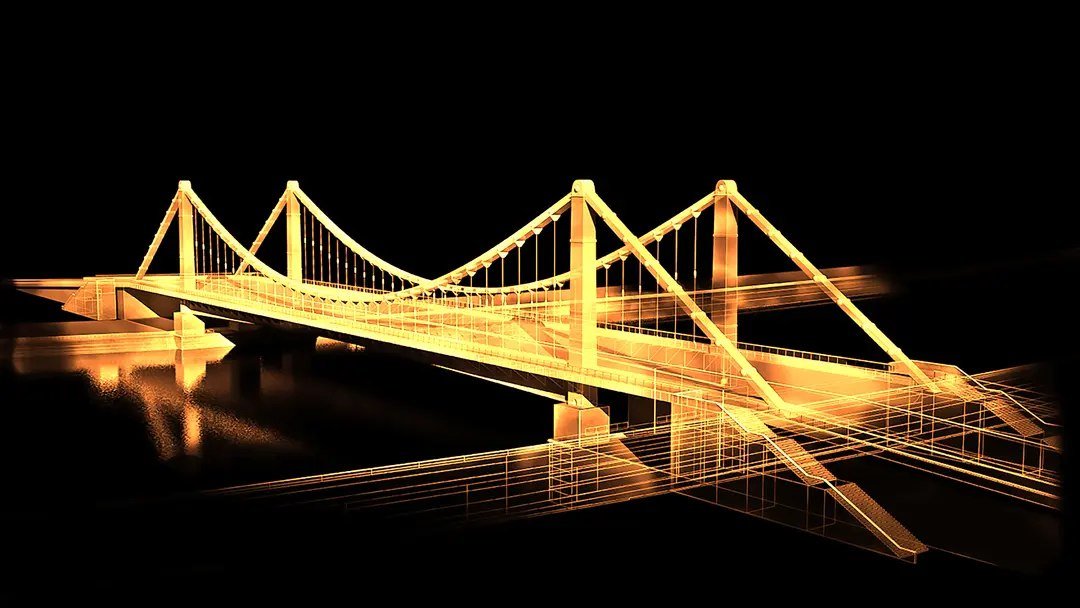
Historical bridges and railway stations, some over a century old, are being carefully strengthened rather than demolished in many countries. Experts believe this approach is both more sustainable and economically efficient, as it allows for reduced emissions, material savings, and the preservation of architectural monuments that shape local identity.
The editorial reports that engineers use modern technologies such as 3D scans, digital twins, and sensors to map structures down to the finest details and prepare precise intervention plans. These diagnostic methods allow for real-time monitoring of the current condition of facilities and the early identification of risks.
A significant portion of the reconstruction work is carried out invisibly. For example, steel connectors hidden within stone structures, inconspicuous carbon fiber coatings, waterproofing systems placed beneath coverings, and underground seismic mechanisms enhance safety without altering the historical appearance.
Numerous projects, from viaducts in Great Britain to historical railway stations in Istanbul, demonstrate that infrastructure can be adapted to modern requirements without erasing the past. This approach enhances the resilience of transportation networks and ensures the transmission of historical heritage to future generations.