

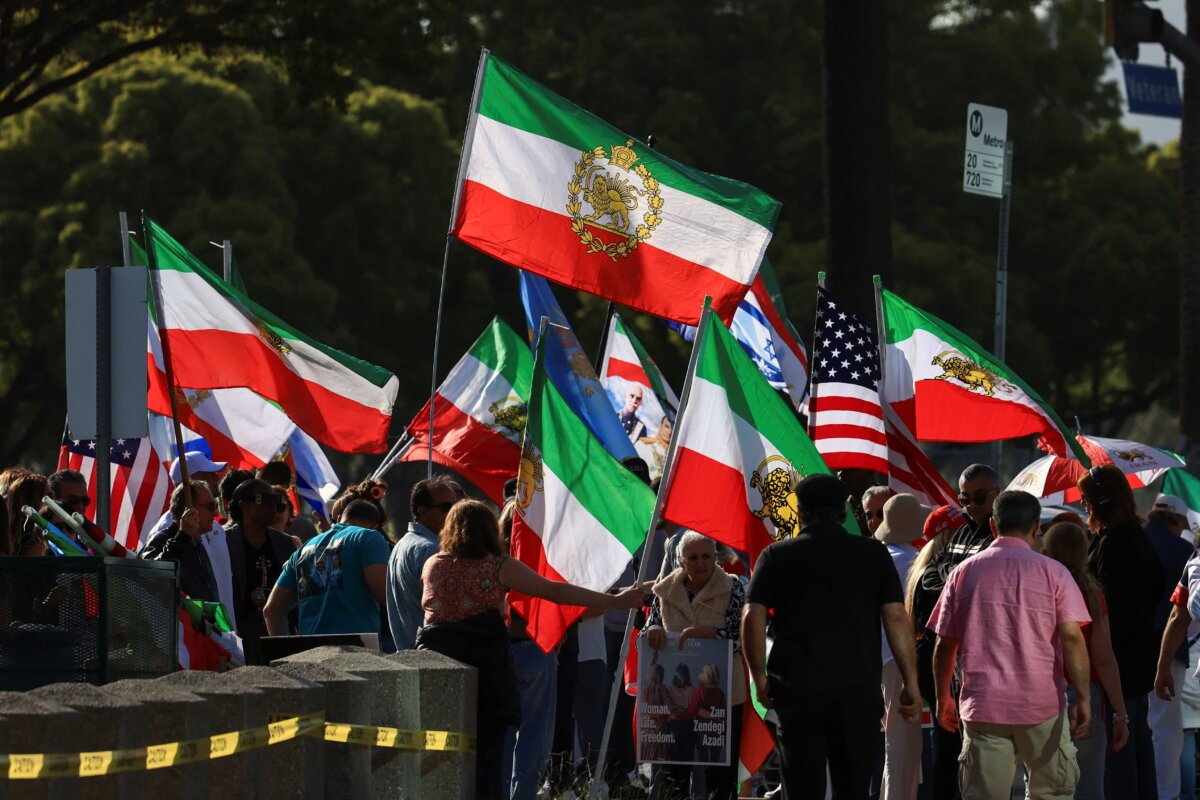
Tens of thousands of people have begun protesting in Iran, but history demands caution. Public protests are encompassing various regions of Iran, indicating the tension in the country's domestic politics. Such mass protests, especially in the context of the role of foreign support, can create complex situations.
Redaksiya reports that the scale and nature of the protests raise important questions about their sustainability and outcomes. Among the main reasons for the protests are economic difficulties, restrictions on political freedoms, and social discontent. Protesters are represented by various social strata and political groups, which increases the diversity and potential impact of the movement.
The issue of foreign support for the protests is also of significant importance. Foreign support can strengthen the position of the protesters and help their demands be heard more widely. However, excessive foreign intervention can damage the legitimacy of the protests, lead to their escalation, or cause the Iranian government to take harsher measures. For this reason, how and under what conditions foreign support is provided requires a careful and balanced approach. The course and outcomes of the protests, as well as the role of foreign players, can lead to significant changes in Iran's domestic politics and the geopolitical situation in the region. These protests could be a crucial turning point for Iran's future.