

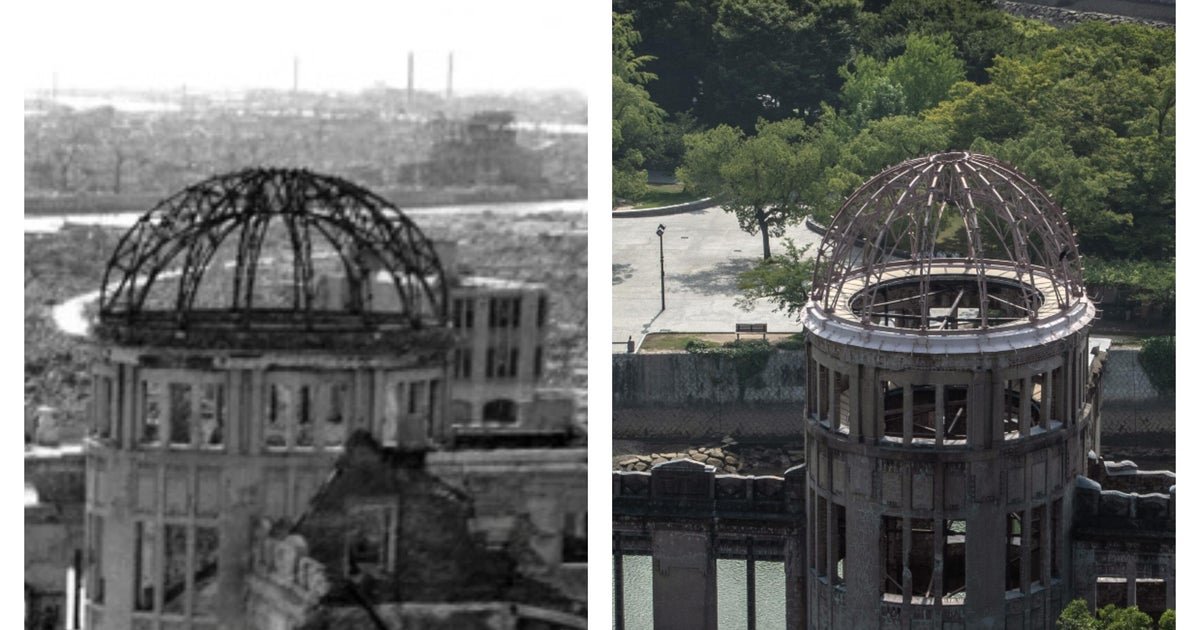
The dropping of atomic bombs on the cities of Hiroshima and Nagasaki remains a horrific turning point in human history. These events not only influenced the course of the war but also raised serious questions about the future use of nuclear weapons.
Redaksiya reports that on August 6, 1945, an atomic bomb was dropped on the city of Hiroshima by the United States. This attack resulted in tens of thousands of deaths and the complete destruction of the city. Three days later, on August 9, a second atomic bomb was dropped on Nagasaki, causing significant human casualties and devastation. These events influenced the end of World War II and led to Japan's surrender. Although the use of atomic bombs led to a swift end to the war, it increased concerns about the future proliferation and use of nuclear weapons. These events prompted the international community to make efforts towards the destruction of nuclear weapons and the preservation of peace.
The tragedy in Hiroshima and Nagasaki led humanity to realize the danger posed by nuclear weapons and to refrain from their use. These events once again proved the importance of international cooperation for the preservation of world peace and the prevention of wars.
Sevinj Karimova