

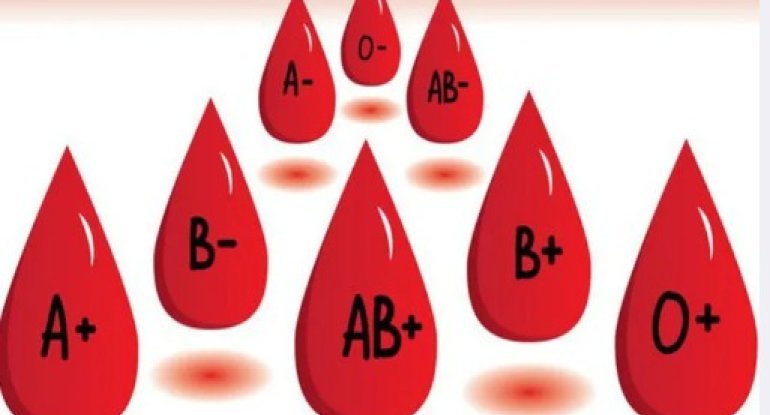
Most people only remember their blood type when filling out hospital forms, donating blood, or facing an emergency. However, experts state that blood type can influence an organism's predisposition to certain diseases, its reaction to infections, and even its tolerance to stress.
The editorial team reports, citing foreign media, that according to research, blood types are closely related to the functioning of the immune system, blood clotting mechanisms, and the development pathways of certain diseases.
Blood Type I
Blood type I is the most common group. Rh-negative type I is considered a universal donor in emergencies.
This blood type is associated with a relatively low risk of heart attack, thrombosis, and stroke. It is also linked to a higher probability of experiencing a milder form of COVID-19.
However, there are also disadvantages. People with blood type I may have a higher predisposition to norovirus infection, stomach and duodenal ulcers, severe bleeding, and certain pregnancy complications.
Blood Type II
Blood type II may offer some protection against norovirus. Additionally, observations show that mosquitoes are less attracted to people with this blood type.
At the same time, this group may have higher levels of "bad" cholesterol, which increases the risk of cardiovascular diseases and heart attack. Studies link blood type II to an increased risk of early ischemic stroke, more severe forms of COVID-19, and stomach and pancreatic cancer.
Furthermore, high cortisol levels indicate that people with this blood type may be more sensitive to stress.
Blood Type III
Individuals with blood type III experience fewer kidney stones and are considered less attractive to mosquitoes. Research has also shown that this blood type may offer some protection against smallpox and malaria.
This group is associated with a lower risk of stomach and bladder cancer, as well as a weaker sensitivity to Helicobacter pylori bacteria, a common cause of stomach ulcers.
On the other hand, blood type III may carry a higher risk for heart disease, pancreatic cancer, type 2 diabetes, high blood pressure, tuberculosis, and infections like cholera.
Blood Type IV
People with blood type IV are considered universal recipients, meaning they can receive blood from any blood type. Their plasma is often referred to as "liquid gold" in traumatology because it can be transfused to anyone.
However, this blood type is linked to an increased risk of chronic inflammation, blood clots, heart disease, and pancreatic cancer. Experts also state that individuals with blood type IV may have a higher probability of memory and cognitive impairments, including dementia.
Experts emphasize that blood type is not a definitive fate. However, this information can help people assess risks in a timely manner, make healthy lifestyle choices, and approach preventive check-ups more diligently. (lent.az)