

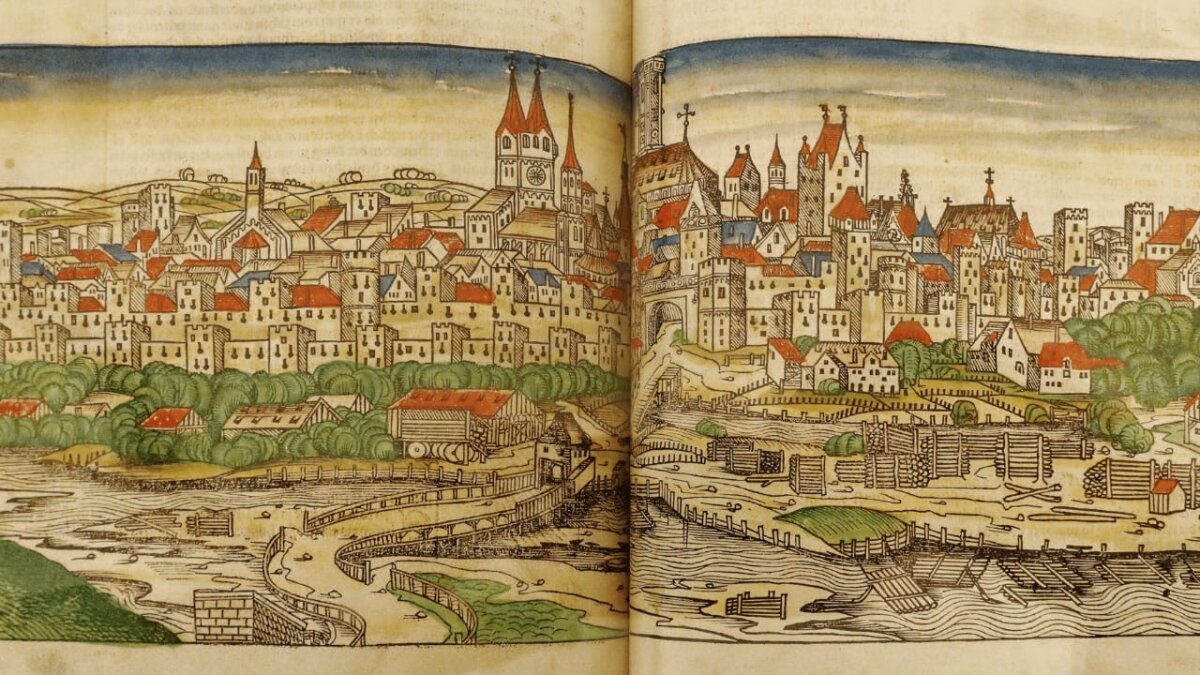
Google's advanced large language model, Gemini 3.0 Pro, has achieved a significant breakthrough, demonstrating artificial intelligence's capability to work with historical sources. The model has deciphered centuries-old, unexplained manuscript notes within the Nuremberg Chronicle, considered a key source from the early modern period.
As reported by the editorial team, researchers presented Gemini with high-quality images of this work, published in 1493, and asked it to interpret both the main text and the marginal notes. The artificial intelligence determined that these notes were not random symbols but calculations based on various biblical chronology systems.
The model specifically uncovered an attempt to reconcile different Anno Mundi time systems used in the Septuagint and Hebrew Bible traditions. Through the analysis of abbreviations and Roman numerals in Latin, it concluded that the notes reflected theological calculations related to the year of Abraham's birth.
Despite minor digital discrepancies, the results obtained are said to largely align with existing scholarly approaches. Experts emphasize that this demonstrates artificial intelligence's ability to engage in contextual reasoning not only in text and image processing but also in fields such as history, theology, and chronology.