

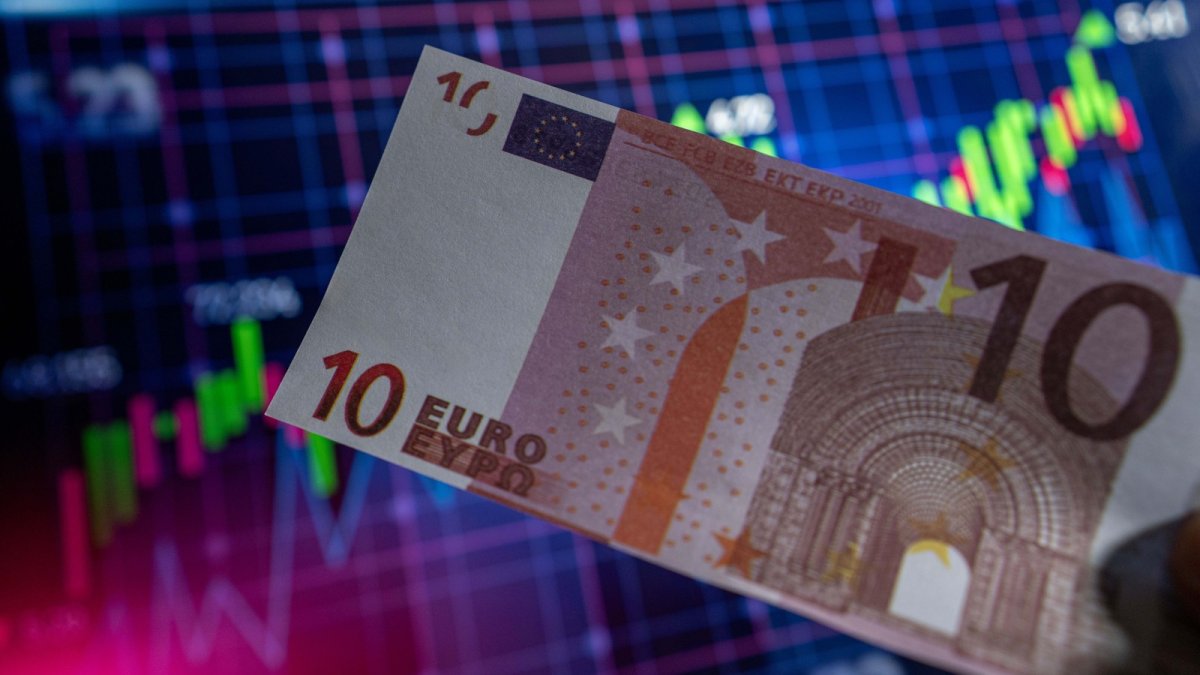
According to recent reports, the European Union's economy is showing faster-than-expected growth. This growth sends positive signals for the future of the European Union's economy and can be evaluated as a result of steps taken towards economic recovery.
Redaksiya reports that, according to data from the European Statistical Office (Eurostat), the Eurozone economy grew by 0.2% in the third quarter of 2025 compared to the previous quarter. Annually, the growth was 1.3%. Analysts had predicted a quarterly growth of 0.1%. In the second quarter, the economy had grown by 0.1%. These indicators show an increase in economic activity in the Eurozone and the continuation of the economic recovery process.
This growth is a result of positive trends observed in various sectors of the European economy. Developments in areas such as manufacturing, the service sector, and exports contribute to overall economic growth. At the same time, factors like inflation management and decreasing unemployment also impact the economy's health. This economic growth can create better living conditions and new job opportunities for people living and working in European Union countries.
The economic growth in the Eurozone is also closely linked to the policies of the European Central Bank (ECB) and the economic reforms implemented by governments. The ECB's regulation of interest rates and provision of liquidity support the revitalization of the economy. Governments' steps, such as improving the business environment, promoting investments, and carrying out structural reforms, lay the groundwork for long-term economic development. This economic growth allows the European Union to take a stronger position in the global economic arena and play a more active role in international trade.