

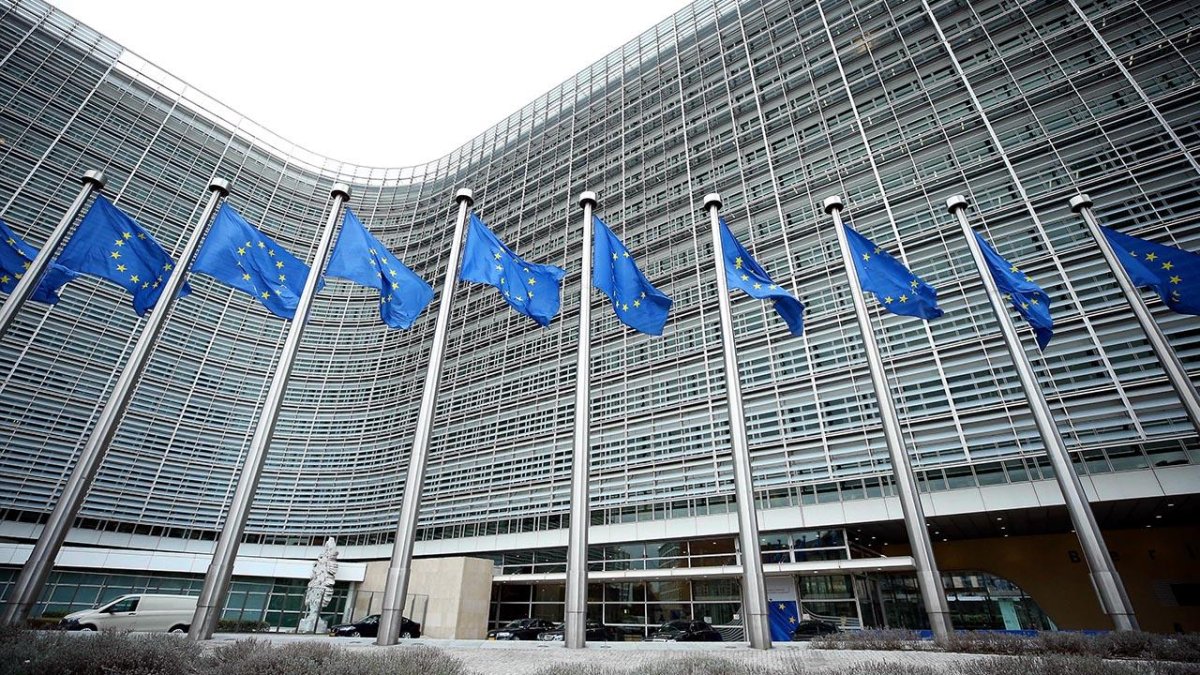
A new plan is being prepared within the European Union (EU) to ensure faster and more coordinated movement of military forces and equipment among member states. This initiative aims to remove various regulatory barriers and implement unified rules at the EU level for military mobility across all member countries. This step is intended to strengthen the EU's military cooperation and enhance its capabilities in the field of security.
Redaksiya reports that this plan aims to ensure "faster, safer, and more coordinated" movement of military units and equipment among EU members by 2027. In addition to removing regulatory barriers, the plan for the first time envisages the creation of harmonized rules at the EU level for military mobility across all member states. This will enable more efficient and rapid execution of military operations.
The plan also envisages the creation of an emergency framework. This framework proposes the establishment of an "European Military Mobility Enhanced Response System (EMERS)" to support armed forces operating within the EU or NATO framework, ensuring priority access to rapid processes and infrastructure. This system will enable military forces to mobilize quickly and receive necessary support in emergencies. The creation of a "Solidarity Fund" to increase the readiness level, solidarity, and usability of military mobility capabilities of member states is also part of the plan. At the same time, the establishment of a "Military Mobility Digital Information System" is also foreseen.
This plan, dubbed the "Military Mobility Package," will allow for the suspension of ordinary transport rules in emergencies, enabling military units and equipment to cross borders rapidly and on a large scale between member states. This will ensure more flexible and operative execution of military operations. The plan also envisages increasing the resilience of transport infrastructure. It is planned to upgrade EU military mobility corridors to dual-use standards and protect strategic infrastructure with new resilience tools.
To accelerate military mobility, the plan requires member states to respond to mobility requests within 3 days in normal circumstances and within 6 hours in emergencies. Simplification of customs clearance is also one of the main requirements of the plan. Targeted investments are aimed at strengthening cybersecurity, energy security, and readiness levels during both peace and crisis times. This plan also paves the way for joint use and sharing of capabilities.
Currently, obtaining permits for military units and equipment to cross borders between EU member states takes weeks. With the adoption of the new plan, this process is expected to be accelerated. The new military mobility plan by the EU Commission requires approval from the EU Council and the European Parliament to come into force. This new plan aims to strengthen military cooperation and increase security capabilities among European Union (EU) member states. It targets ensuring faster and more coordinated movement of military forces and equipment, while also removing regulatory barriers and implementing unified rules. This step will significantly enhance the EU's capabilities in military mobility.