

Amidst strikes by the US and Israel against Iran, Washington is once again facing the issue of regime change. This matter is shaped by the influence of past interventions, stretching from events in Iran in 1953 to Iraq and Afghanistan.
Redaksiya reports that recent events have brought to the forefront the long-term strategies of US foreign policy and their consequences. While regime change policies have, in some cases, brought short-term stability, they have also led to long-term conflicts and instability in the region.
Past events in Iran, particularly the overthrow of the Mohammad Mosaddegh government in 1953, serve as a significant historical example of this issue. This event demonstrated the complex consequences of foreign powers interfering in domestic politics. Later, attempts at regime change in Iraq and Afghanistan also led to similar outcomes, creating long-term instability and humanitarian crises in these countries.
In the current situation, US policies towards Iran must be carefully evaluated, taking into account these historical experiences. Proponents of regime change strategies argue that it will alter Iran's domestic politics and enhance regional security. However, critics warn that such policies could lead to larger conflicts and cause humanitarian disasters.
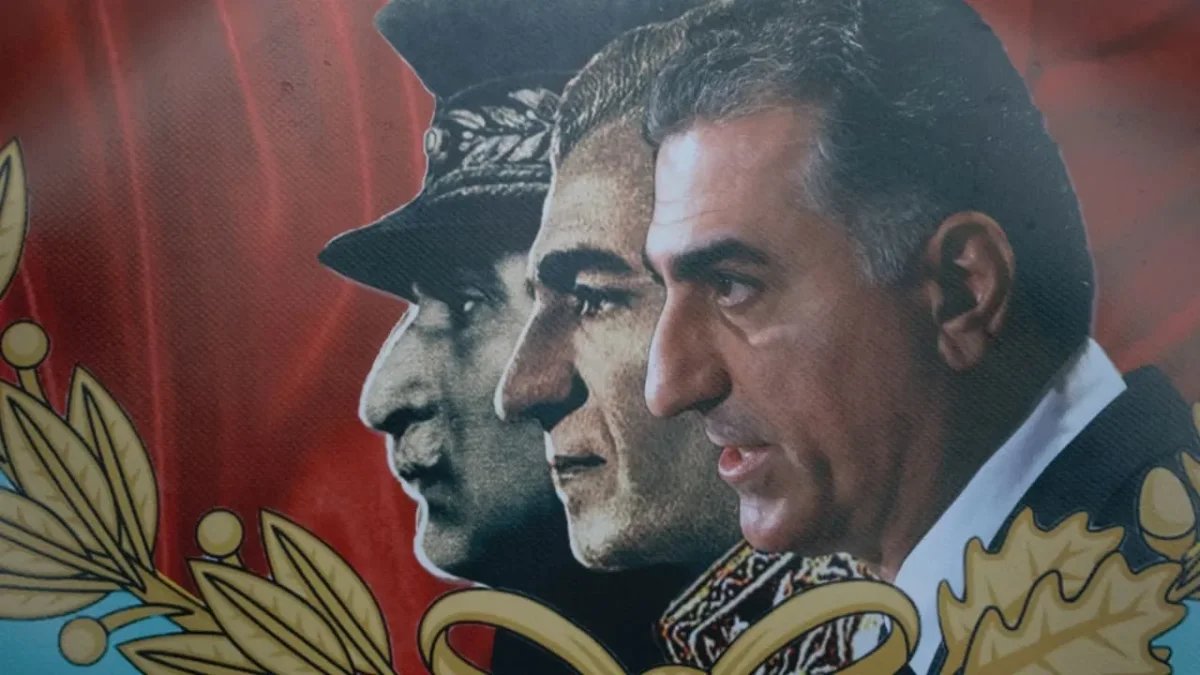
The display of a poster featuring Reza Pahlavi alongside portraits of former Iranian monarchs during a protest in The Hague, Netherlands, last year, indicates the presence of internal political forces in Iran and the role of foreign support. Such events once again confirm that policies towards Iran reflect the interplay of internal and external factors.