

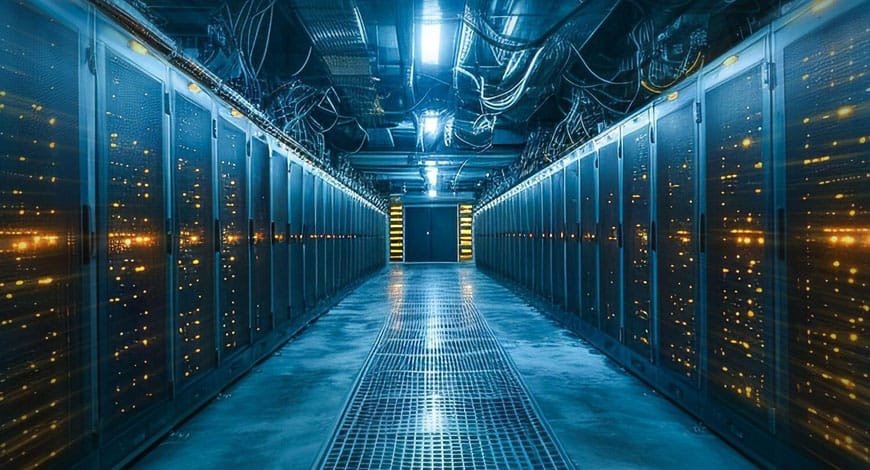
The conversion of the large-scale Homer City coal plant in Pennsylvania into an AI data center campus has brought the sharp surge in US energy demand back into focus. The new complex will be powered by seven 30-acre natural gas-fired plants and will consume as much electricity as all residential homes in the Philadelphia metropolitan area.
According to editorial reports, by 2030, data centers' share of the nation's electricity consumption could exceed 10 percent, representing a 60–150 percent increase from current levels. This volume is equivalent to the energy demand of 16 Chicagos annually. Amidst this rising demand, it is reported that technology companies are finding it difficult to fulfill their previously stated clean energy commitments. Google admits that its zero-emission target for 2030 is already "very challenging" and states that natural gas is filling the gap.
Other large-scale projects across the country are also increasing the energy burden. A 5,800-acre complex in Texas's Panhandle region, which will be equipped with nuclear reactors, a 10-gigawatt campus in Cheyenne, and a facility planned by Meta in Louisiana that is the length of Manhattan, all indicate the need for significant energy resources. The PJM energy system, which serves 65 million consumers in the US, has appealed to federal regulators to restrict additional data centers, stating that the existing grid cannot handle the extra load.
Experts warn that the expansion of AI infrastructure is a serious test for the long-term sustainability of the national electricity grid. With the intermittent nature of renewable energy sources and battery technologies not yet reaching the required scale, natural gas is emerging as the primary alternative. This further exacerbates the contradiction between the climate commitments of technology companies and their actual energy policies.